
Yochien Events and Annual Activities Calendar

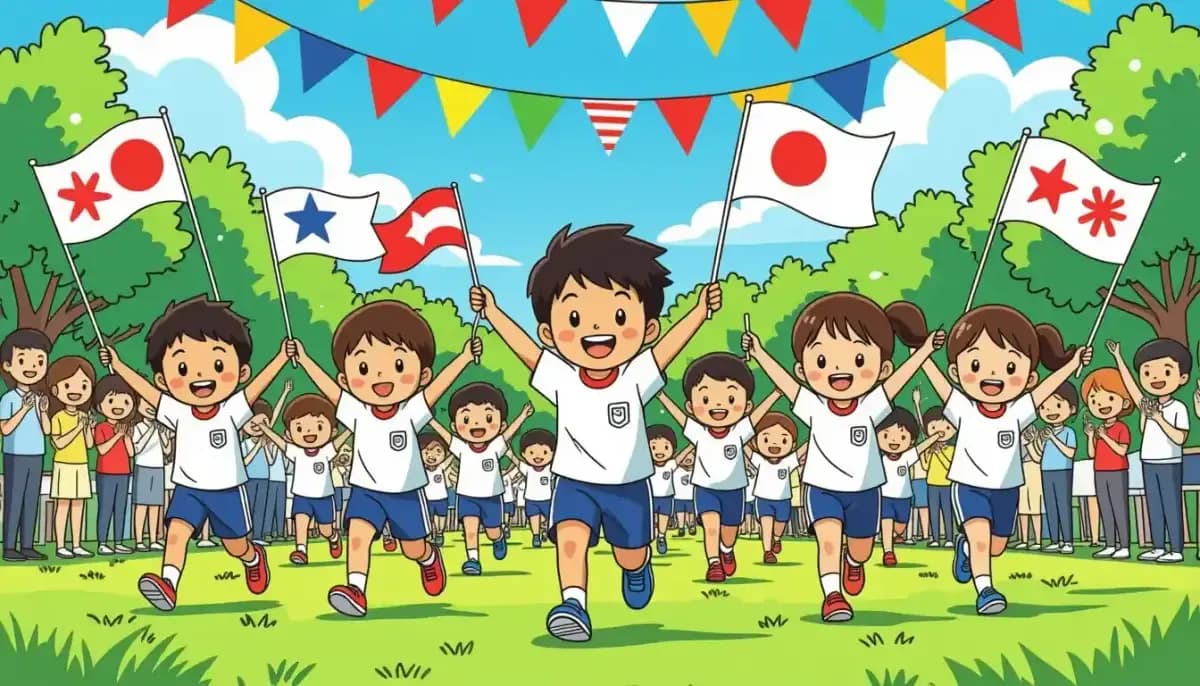
Complete month-by-month guide to Japanese kindergarten (yochien) annual events and activities. From undokai sports day to happyokai performances, everything foreign parents need to know.
Yochien Events and Annual Activities Calendar: A Complete Guide for Foreign Parents in Japan
If you're a foreign parent sending your child to a Japanese kindergarten (yochien), one of the most exciting — and sometimes overwhelming — aspects is the packed calendar of annual events. Japanese yochien place enormous emphasis on seasonal celebrations, performances, and community-building activities that shape your child's early years. Understanding what to expect each month helps you prepare, participate confidently, and enjoy these milestones alongside your child.
This guide walks you through the full year of yochien events, explains what each activity involves, and offers practical tips so you never feel caught off guard. For a broader overview of the kindergarten system, see our complete guide to yochien in Japan.
How the Japanese Kindergarten Year Is Structured
The Japanese school year runs from April to March, divided into three terms with breaks in between. This structure applies to all levels of education, from yochien through high school. Here is the basic framework:
| Term | Period | Key Break |
|---|---|---|
| 1st Term | April – July | Summer break (late July – August) |
| 2nd Term | September – December | Winter break (late December – early January) |
| 3rd Term | January – March | Spring break (late March – early April) |
Most yochien operate from approximately 9:00 AM to 2:00 PM daily, though many now offer extended care (azukari hoiku) until 5:00 or 6:30 PM. The daily schedule typically includes free play, group exercises, arts and crafts, singing, and story time. Academics take up less than 5% of class time — a sharp contrast to the roughly 30% seen in American preschools — because the emphasis is on social-emotional development and "whole person education."
For details on the differences between yochien and daycare facilities, check our guide to daycare and hoikuen.
April and May: The Start of a New Year
Entrance Ceremony (Nyuuenshiki / 入園式)
The school year kicks off in April with the entrance ceremony, one of the most formal events on the calendar. New students and their parents gather in the school hall for speeches, introductions, and a warm welcome. Parents are expected to dress formally — suits or smart outfits are the norm. Your child will receive their class assignment and meet their homeroom teacher.
Tip for foreign parents: You will receive a large packet of paperwork at this event. If you struggle with Japanese, ask a bilingual parent or use a translation app to work through the forms. Write all upcoming school dates on your calendar immediately, as noted by Savvy Tokyo's yochien survival guide.
Class Observation Day (Jugyou Sankan / 授業参観)
Within the first few weeks, most yochien hold a class observation day where parents can watch their child's classroom activities. This is a great opportunity to see how your child is adjusting and to meet other parents.
Parent-Teacher Meetings and Home Visits
Many kindergartens schedule home visits (katei houmon) in April or May, where the teacher visits your home briefly to understand your child's living environment. Individual parent-teacher meetings (mendan) also occur during this period. These conversations help build trust between you and the school from the start.
For tips on navigating parent-teacher communication as a foreigner, see our article on teaching Japanese to foreign children.
June and July: Sports Day and Summer Fun
Sports Day (Undokai / 運動会)
Undokai is one of the biggest and most anticipated events of the year. About 66% of kindergartens in Tokyo and other major cities now hold sports day in late May or June (spring), though some still schedule it in October. Children participate in relay races, obstacle courses, group dances, and team competitions. Parents are often invited to join in certain events too.
| Undokai Activity | Description |
|---|---|
| Kakekko (かけっこ) | Short sprint races for each age group |
| Tama-ire (玉入れ) | Ball-throwing contest into a basket |
| Tsunahiki (綱引き) | Tug-of-war between teams |
| Group dance | Choreographed routine performed by each class |
| Parent-child race | Fun relay where parents and children run together |
| Relay race (Riree) | Final event — the highlight of the day |
What to bring: A packed bento lunch, drinks, a picnic mat, sunscreen, a hat, and a camera. Many schools have shifted to half-day formats to reduce heatstroke risk, so check your school's schedule.
For more on school sports culture, Facts and Details provides excellent background on Japanese kindergarten traditions.
Tanabata Festival (七夕 / July 7)
Children write wishes on colorful paper strips (tanzaku) and hang them on bamboo branches. Many yochien hold a small celebration with songs and stories about the Tanabata legend — the story of Orihime and Hikoboshi, star-crossed lovers who meet once a year across the Milky Way.
Swimming Activities
Many yochien set up small pools for water play during June and July. Children wear swim caps and swimsuits provided in their school supply list. These sessions focus on water comfort rather than formal swimming instruction.
Summer Break: August Activities
Summer break runs from late July through August. While school is officially closed, many yochien organize:
- Summer festivals (Natsu Matsuri) with games, food stalls, and yukata-wearing
- Overnight stays (Otomari Hoiku) for older children — a night spent at the kindergarten
- Optional day camps with outdoor activities
This is also when families attend local community festivals (bon odori) and fireworks displays, which many yochien encourage as seasonal learning experiences. Learn more about family life in Japan to understand how these events fit into the broader cultural calendar.
September and October: Harvest and Culture
Field Trips and Nature Activities (Ensoku / 遠足)
Autumn brings field trips to parks, farms, or nature areas. Many yochien organize sweet potato digging (imo-hori), fruit picking, or visits to local landmarks. Children bring their own bento and water bottle for these outings.
Art Exhibition (Sakuhin-ten / 作品展)
Some kindergartens hold an art exhibition in autumn where the entire school is decorated with children's artwork — paintings, clay sculptures, collages, and crafts. Parents walk through the displays and admire their child's creativity. This event showcases months of artistic development.
Halloween Activities
While not a traditional Japanese event, many yochien now incorporate Halloween into their October schedule with costume parades, pumpkin crafts, and simple trick-or-treating within the school grounds. This reflects the growing popularity of Halloween in Japan.
November and December: Performances and Celebrations
Performance Day (Happyokai / 発表会 or Oyuugikai / お遊戯会)
The happyokai or oyuugikai is the second major event of the year after undokai. Each class prepares a performance — musical numbers, short plays, instrument ensembles, or choreographed dances. Children rehearse for weeks leading up to the show, and parents fill the audience seats with cameras ready.
| Performance Type | What to Expect |
|---|---|
| Gassou (合奏) | Instrument ensemble — tambourines, castanets, xylophones |
| Gekijou (劇場) | Short theatrical plays based on fairy tales |
| Dance performances | Group dances in themed costumes |
| Choir singing | Group songs with hand motions |
Tip: Arrive early for good seats. Recording policies vary by school — some restrict video to prevent it from being shared online.
Christmas Party
Most yochien hold a Christmas party in mid-December with songs, games, gift exchanges, and often a visit from Santa Claus (usually a teacher in costume). Children may also make Christmas crafts to bring home.
Mochitsuki (餅つき / Rice Cake Pounding)
A traditional year-end activity where children take turns pounding steamed rice with a large mallet to make mochi. This hands-on cultural experience teaches children about Japanese New Year traditions.
For a comprehensive look at raising children and education in Japan, Living in Nihon offers helpful resources for foreign families.
January and February: New Year and Setsubun
New Year Activities
The third term begins in January with an opening ceremony. Children often share stories about their winter break and create New Year-themed crafts like daruma dolls or ema (wooden wish plaques).
Setsubun (節分 / February 3)
One of the most memorable events for young children. A teacher dressed as an oni (demon) visits the classroom, and children throw roasted soybeans while shouting "Oni wa soto! Fuku wa uchi!" (Demons out! Good luck in!). This event can be both thrilling and terrifying for little ones — prepare your child by explaining the tradition beforehand.
Valentine's Day Activities
Some yochien incorporate simple Valentine's Day crafts, though this varies widely by school.
March: Graduation and Farewell
Graduation Ceremony (Sotsuenshiki / 卒園式)
The school year concludes with the graduation ceremony for children moving on to elementary school. This is an emotional, formal event lasting about 2 to 2.5 hours. Graduating children receive certificates, sing farewell songs, and share memories. Parents should dress formally and bring tissues — it is surprisingly moving.
For information on what comes next, read our guide to elementary school in Japan for foreign parents.
End-of-Year Party
Many classes organize a small farewell gathering with snacks and games. Teachers may prepare a photo album or memory book for each child.
Tips for Foreign Parents Navigating Yochien Events
Participating in yochien events can feel daunting when you are still learning Japanese and the local customs. Here are practical strategies:
- Use translation apps — Google Translate's camera function works well for reading printed notices (otayori) sent home in your child's bag
- Connect with other parents — Find a bilingual parent in your child's class who can help explain upcoming events
- Label everything — Use name stamps (onamae stamps) on all belongings, from crayons to gym shoes
- Prepare bento early — Many events require packed lunches; keep it simple with rice balls, tamagoyaki, and cut fruit
- Attend PTA meetings — While challenging in Japanese, showing up demonstrates commitment and builds goodwill
- Check the monthly schedule (Gekkan Yotei) — Schools distribute monthly calendars with detailed event information
For more about navigating cultural challenges, see our article on cultural identity for mixed-race children in Japan.
Complete Monthly Events Calendar
Here is a consolidated reference of typical yochien events by month:
| Month | Key Events |
|---|---|
| April | Entrance ceremony, class observation, home visits |
| May | Parent-teacher meetings, excursions, spring undokai |
| June | Swimming starts, Undokai (if spring schedule), dental check |
| July | Tanabata (July 7), end-of-term ceremony, summer break begins |
| August | Summer festival, overnight stay, day camps |
| September | 2nd term starts, field trips, sweet potato digging |
| October | Art exhibition, Halloween activities, autumn undokai (some schools) |
| November | Happyokai rehearsals, parent observation day |
| December | Happyokai/Oyuugikai, Christmas party, mochitsuki |
| January | 3rd term starts, New Year activities |
| February | Setsubun (Feb 3), Valentine's crafts |
| March | Graduation ceremony, end-of-year party, spring break |
Each kindergarten has its own variations, so always refer to your school's specific calendar. The Japan Living Guide provides additional context on how school activities work across Japan's education system.
How Yochien Events Build Community
Beyond education, these events serve a deeper purpose — they create bonds between children, parents, and teachers. In Japan, kindergarten is not just about preparing children academically; it is about building the social foundation they will carry into elementary school and beyond. With an average class size of about 24 students and dedicated teachers (94% of whom are female), yochien provide a nurturing environment where every child's growth is celebrated through these shared experiences.
As a foreign parent, your participation matters. Teachers notice and appreciate when parents make the effort to attend events, volunteer for PTA duties, and engage with the school community. Even if your Japanese is limited, showing up speaks volumes. For study strategies to help your child succeed academically as they grow, Chuukou Benkyou offers resources focused on middle and high school exam preparation — a useful reference as you plan your child's educational journey in Japan.
Embrace the yochien calendar as an opportunity to experience Japanese culture alongside your child. From the thrill of undokai races to the charm of Setsubun bean-throwing, these events will become cherished memories for your entire family.

Originally from Vietnam, living in Japan for 16+ years. Graduated from Nagoya University, with 11 years of professional experience at Japanese and international companies. Sharing practical information for foreign parents raising children in Japan.
View Profile →Related Articles
Transitioning from Yochien to Elementary School in Japan
A complete guide for foreign parents on transitioning from yochien to elementary school in Japan. Covers enrollment timelines, language support, costs, and what to expect in Grade 1.
Read more →
Religious Kindergartens in Japan: Buddhist and Christian Options
Discover the differences between Buddhist and Christian kindergartens in Japan. Compare teaching philosophies, curriculum approaches, enrollment processes, and tips for foreign families choosing religious preschools.
Read more →
Bilingual and English Kindergartens in Japan
Discover the best bilingual and English kindergartens in Japan for foreign families. Compare costs, enrollment processes, government subsidies, and top school options across Tokyo and beyond.
Read more →
After-School Care Options at Kindergartens in Japan
Comprehensive guide to after-school care options at kindergartens in Japan for foreign parents, covering azukari hoiku, gakudo programs, costs, enrollment, and tips for working families.
Read more →
Preparing Your Child for Yochien: Readiness Checklist
Complete yochien readiness checklist for foreign families in Japan. Cover self-care skills, Japanese phrases, supplies, enrollment timeline, and daily routine preparation for kindergarten.
Read more →
Kindergarten Bus Service in Japan: How It Works
Learn how kindergarten bus service works in Japan, including costs (around ¥4,000/month), safety features, character-themed designs, signup process, and tips for foreign families with young children.
Read more →