
Montessori and Nature-Based Kindergartens in Japan

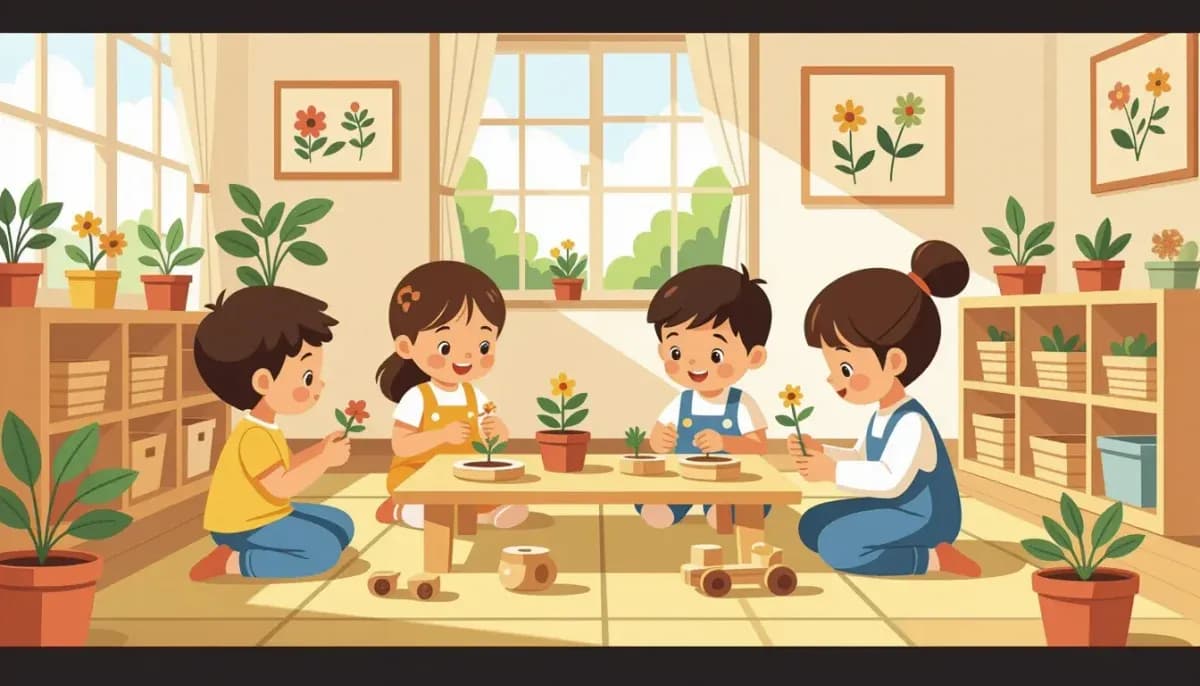
Discover Montessori and nature-based kindergartens in Japan for foreign families. Compare schools, costs, enrollment tips, and forest kindergarten options across Japan.
Montessori and Nature-Based Kindergartens in Japan: A Guide for Foreign Families
Choosing the right kindergarten for your child in Japan can feel overwhelming, especially when you are a foreign parent navigating an unfamiliar education system. While most families default to the standard yochien or hoikuen options, Japan has a growing number of Montessori and nature-based kindergartens that offer alternative approaches to early childhood education. These programs emphasize independence, hands-on learning, and a deep connection with the natural world — values that resonate with many international families seeking something different for their children.
In this guide, we cover everything you need to know about Montessori and nature-based kindergartens in Japan, from philosophy and costs to enrollment tips and real school options across the country.
Understanding the Japanese Kindergarten Landscape
Before diving into alternative options, it helps to understand the standard kindergarten system in Japan. There are three main types of early childhood facilities:
- Yochien (幼稚園): Traditional kindergartens for ages 3–5, typically operating from 9:00 AM to 2:00 PM. These focus on social skills, music, art, and basic academics.
- Hoikuen (保育園): Daycare centers for ages 0–5, with extended hours from around 7:30 AM to 6:30 PM. These cater to families where both parents work.
- Nintei Kodomo-en (認定こども園): A newer hybrid model combining the educational curriculum of yochien with the full-day hours of hoikuen.
Since October 2019, Japan has provided free early childhood education for children aged 3–5 enrolled in authorized facilities. However, many Montessori and nature-based programs operate as unauthorized or international schools, which means they may not qualify for this subsidy.
For a broader overview of kindergarten options, check out our guide on kindergarten in Japan for foreign parents.
What Is Montessori Education?
Montessori education is a child-centered approach developed by Dr. Maria Montessori in the early 1900s. It emphasizes self-directed learning, mixed-age classrooms, and hands-on materials that allow children to explore concepts at their own pace.
Key principles of Montessori education include:
- Prepared environment: Classrooms are carefully organized with age-appropriate materials that children can freely access.
- Mixed-age groups: Typically, three different age groups share one classroom with the same teacher, encouraging peer learning.
- Self-directed activity: Children choose their own work and spend uninterrupted blocks of time on tasks.
- Observation-based teaching: Teachers act as guides, observing each child and offering support when needed rather than delivering lectures.
Montessori education was first introduced to Japan as early as 1912, when a newspaper article described the method. Today, Japan has three AMI (Association Montessori Internationale) accredited teacher training centers in Fukuoka, Tokyo, and Akiruno, and dozens of Montessori-inspired schools across the country.
Montessori Schools in Japan for Foreign Families
While there are approximately 20,000 Montessori schools worldwide, the number of Montessori programs in Japan remains relatively small, especially at the elementary level. However, several well-established schools specifically welcome international families:
| School | Location | Ages | Language | Notable Features |
|---|---|---|---|---|
| The Montessori School of Tokyo | Tokyo | 2–6 | English | One of the oldest international Montessori schools in Japan |
| RED Bambini Montessori International School | Tokyo | 1–6 | English | Over 2,800 graduates since 1993 |
| Treehouse Montessori School | Yokohama | 1–6 | English | Intimate, hands-on Montessori in the Yokohama area |
| Tokyo International Public School (TIPS) | Tokyo | 3–12 | English | Montessori kindergarten with afterschool programs |
| Toyama Montessori International School | Takaoka | 1–6 | English/Japanese | Regional option outside major cities |
Most international Montessori schools in Japan operate in English, making them accessible for foreign families who may not yet be fluent in Japanese. However, tuition at these schools is significantly higher than public kindergartens — expect annual fees ranging from ¥1,000,000 to ¥2,500,000 depending on the school and program.
For families considering international school options more broadly, our guide to international schools in Japan provides detailed comparisons and tips.
Nature-Based and Forest Kindergartens in Japan
Nature-based education is a growing movement in Japan, drawing inspiration from the German Waldkindergarten (forest kindergarten) model. Japan now has over 100 forest kindergartens, often called "mori-no-youchien" (森の幼稚園), and the number is expected to continue growing.
These programs operate on the philosophy that children learn best through direct contact with nature. Instead of traditional classrooms, children spend most of their day outdoors — exploring forests, streams, fields, and parks regardless of weather conditions.
Benefits of Nature-Based Education
Research consistently shows that nature-based early childhood education offers several advantages:
- Physical development: Children develop stronger gross motor skills through climbing, running, and balancing on uneven terrain.
- Emotional resilience: Dealing with weather changes and outdoor challenges builds adaptability and confidence.
- Creativity and problem-solving: Open-ended natural materials encourage imaginative play and creative thinking.
- Environmental awareness: Children develop a deep respect for nature and ecological understanding from a young age.
- Social skills: Small group settings and cooperative outdoor activities foster strong communication skills.
Notable Nature-Based Schools
Several nature-based kindergartens in Japan welcome international families:
- iForest (International Forest School, Tokyo): Described as Tokyo's only mobile forest school, iForest offers nature-based learning aligned with an international school calendar. Children participate in outdoor adventures 2–3 times per week.
- Minoh Children's Forest School (Osaka): Offers short-term experience programs for international students, making it accessible for expat families wanting to try nature-based education.
- Hakuba International School: Located in the Japanese Alps, this school uses nature as a primary teaching tool with daily forest interactions and mountain expeditions.
- Urakawa Friend Forest Kindergarten (Hokkaido): A community-based forest kindergarten that embraces outdoor learning in Hokkaido's natural landscapes.
Many Japanese-language forest kindergartens also exist throughout the country, which can be excellent options for families seeking Japanese language immersion alongside nature-based learning. For tips on supporting your child's Japanese language development, see our article on teaching Japanese to foreign children.
How to Choose Between Montessori and Nature-Based Programs
Deciding between a Montessori program and a nature-based kindergarten depends on your family's priorities. Here is a comparison to help guide your decision:
| Factor | Montessori | Nature-Based/Forest School |
|---|---|---|
| Learning environment | Structured indoor classroom with specialized materials | Primarily outdoors in forests, parks, and natural spaces |
| Teaching approach | Self-directed with Montessori-certified guides | Play-based with nature as the primary teacher |
| Academic focus | Early literacy, numeracy, practical life skills | Exploration, discovery, ecological awareness |
| Language | Often English at international schools | More commonly Japanese; some bilingual options |
| Cost (annual) | ¥1,000,000–¥2,500,000 | ¥500,000–¥1,500,000 |
| Structure | Highly structured daily routine | Flexible, weather-dependent schedule |
| Best for | Families valuing academic preparation and independence | Families prioritizing outdoor play and resilience |
Some families find that a combination works best — enrolling in a Montessori school during the week while participating in weekend nature programs or forest school activities.
Enrollment Tips for Foreign Families
Getting your child into a Montessori or nature-based program in Japan requires planning. Here are practical steps to follow:
- Start early: Applications for April enrollment (the start of Japan's school year) typically open in October–November the previous year. Popular international Montessori schools fill up quickly.
- Visit multiple schools: Most schools offer tours and trial days. Take advantage of these to observe the environment, meet teachers, and assess whether the philosophy matches your expectations.
- Check accreditation: Look for schools with AMI accreditation for Montessori programs. For nature-based schools, check whether the program is recognized as a nintei kodomo-en or operates independently.
- Prepare documentation: You will typically need your residence card, employment certificates, and health records. Some schools require a parent interview.
- Budget carefully: International and alternative programs are generally more expensive than public options. Factor in uniform costs, field trip fees, and lunch programs. For help with financial planning, see education fund planning for children in Japan.
- Consider language needs: If your child does not speak Japanese, an English-medium Montessori school may ease the transition. If immersion is your goal, a Japanese-language forest kindergarten provides full exposure.
- Connect with other parents: Join expat parenting groups on social media and community forums to get firsthand recommendations. Our article on raising bilingual children in Japan offers additional strategies.
For families with younger children who are not yet kindergarten age, our guide on toddler parenting in Japan covers care options for ages 1–3.
Combining Alternative Education with Japanese Culture
One of the unique advantages of raising children in Japan is the opportunity to blend alternative education philosophies with Japanese cultural values. Many Montessori and nature-based programs in Japan incorporate traditional Japanese practices:
- Seasonal awareness (kishōkan): Japanese education places great emphasis on the seasons, and nature-based programs naturally integrate this through outdoor observation of cherry blossoms, autumn leaves, and seasonal wildlife.
- Respect and mindfulness: The Montessori principle of respecting the child aligns well with Japanese values of thoughtfulness and consideration for others.
- Community participation: Events like undōkai (sports day) and happyōkai (performance day) are common even in alternative schools, connecting children to broader Japanese culture.
Understanding these cultural touchpoints can help your child develop a strong sense of cultural identity, especially for mixed-heritage families.
Practical Resources and Next Steps
If you are ready to explore Montessori or nature-based kindergartens for your child, here are helpful starting points:
- Association Montessori Internationale - Japan: Find accredited schools and training centers at montessori-ami.org
- Japan Forest Kindergarten Network: Research forest school options and connect with local programs
- Metropolis Japan: Browse a curated list of international preschools and kindergartens in Tokyo
- Family Life in Japan Guide: Read practical advice on family life as a foreigner in Japan
- Education Planning: Learn about Japan's education reform and how it affects families
For a comprehensive overview of the entire Japanese education system from preschool through high school, visit our pillar guide on the Japanese education system for foreign families.
Whether you choose a Montessori program, a forest kindergarten, or a combination of both, the most important factor is finding an environment where your child feels safe, engaged, and excited to learn. Japan's growing alternative education scene offers more options than ever for international families willing to explore beyond the conventional path.

Originally from Vietnam, living in Japan for 16+ years. Graduated from Nagoya University, with 11 years of professional experience at Japanese and international companies. Sharing practical information for foreign parents raising children in Japan.
View Profile →Related Articles
Transitioning from Yochien to Elementary School in Japan
A complete guide for foreign parents on transitioning from yochien to elementary school in Japan. Covers enrollment timelines, language support, costs, and what to expect in Grade 1.
Read more →
Religious Kindergartens in Japan: Buddhist and Christian Options
Discover the differences between Buddhist and Christian kindergartens in Japan. Compare teaching philosophies, curriculum approaches, enrollment processes, and tips for foreign families choosing religious preschools.
Read more →
Bilingual and English Kindergartens in Japan
Discover the best bilingual and English kindergartens in Japan for foreign families. Compare costs, enrollment processes, government subsidies, and top school options across Tokyo and beyond.
Read more →
After-School Care Options at Kindergartens in Japan
Comprehensive guide to after-school care options at kindergartens in Japan for foreign parents, covering azukari hoiku, gakudo programs, costs, enrollment, and tips for working families.
Read more →
Yochien Events and Annual Activities Calendar
Complete month-by-month guide to Japanese kindergarten (yochien) annual events and activities. From undokai sports day to happyokai performances, everything foreign parents need to know.
Read more →
Preparing Your Child for Yochien: Readiness Checklist
Complete yochien readiness checklist for foreign families in Japan. Cover self-care skills, Japanese phrases, supplies, enrollment timeline, and daily routine preparation for kindergarten.
Read more →