
Educational Technology and Learning Apps for Kids in Japan

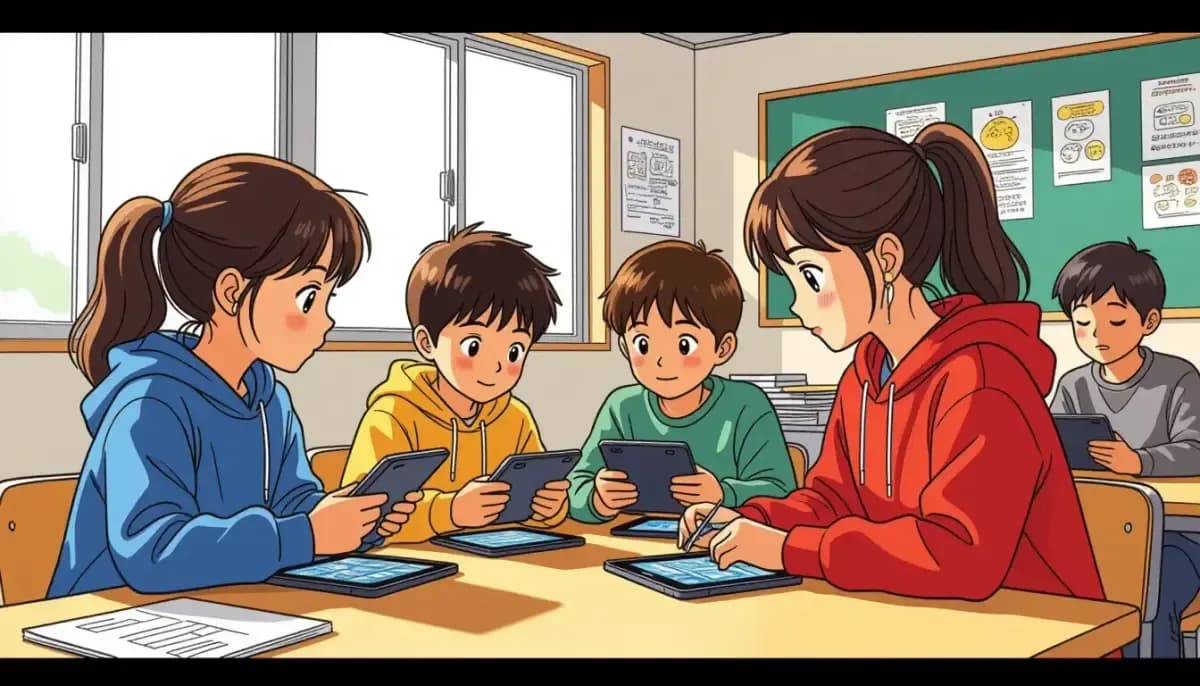
Discover the best educational technology and learning apps for kids in Japan. From Japanese language apps for expat children to curriculum-aligned platforms and AI tools — a complete guide for foreign families raising children in Japan.
Educational Technology and Learning Apps for Kids in Japan
Raising children in Japan as a foreign family comes with a unique set of challenges and opportunities — and educational technology has become one of the most powerful tools available to expat parents. Whether your child is navigating Japan's public school system, attending an international school, or learning both Japanese and their heritage language at home, the right apps and digital platforms can make an enormous difference.
Japan is already a global leader in educational technology adoption. A 2025 survey of 1,430 Japanese schoolchildren found that 84% of elementary students and 80.4% of junior high students have used AI-powered tools such as Alexa or Siri. Meanwhile, the Japanese government invested ¥100 billion in digital education in 2023 alone, including a nationwide policy ensuring 100% smartphone provision in secondary schools. For foreign families, this digital-forward environment is both a resource and a navigation challenge.
This guide covers the best educational technology and learning apps for kids in Japan — from Japanese language apps for non-native speakers to curriculum-aligned platforms that complement the local school system.
Why Educational Technology Matters for Expat Children in Japan
Foreign children entering the Japanese school system face a steep linguistic and cultural adjustment. Research shows that expat children typically pick up basic conversational Japanese within 6 months of immersion, but academic literacy — the kind needed to read textbooks and write essays — takes 2 to 3 years. This gap is where educational technology can bridge critical skills during after-school hours.
Studies comparing digital app-based learning to traditional instruction methods show that students using educational apps score approximately 19 points higher on academic achievement measures. For foreign children who may be behind grade-level in Japanese or need to maintain fluency in their heritage language, that advantage is significant.
Additionally, 88% of caregivers in Japan expressed a desire for bilingual education for their children in a 2025 survey. Educational apps make bilingual learning accessible and affordable — language apps in Japan range from free to around ¥1,500 per month, far below the cost of private bilingual preschools (¥5,000–¥15,000/month) or international schools (¥1–3 million per year).
For more on navigating Japan's school system as a foreign parent, see our complete guide to the Japanese education system for foreign families and our article on teaching Japanese to foreign children.
Best Japanese Language Learning Apps for Kids
Learning Japanese is the first priority for most expat children in Japan. The right app depends on your child's age, current level, and whether you want phonetic-first or vocabulary-first instruction.
For Beginners: Phonetics and Writing
- Trace and Learn Hiragana/Katakana (Free) — Designed for absolute beginners, this app focuses on stroke order and writing fundamentals. Ideal for school-age children starting from scratch.
- Dr. Moku's Hiragana Mnemonics (Free with paid upgrade) — Uses cartoon-based memory cues to help children retain hiragana and katakana. Highly effective for visual learners aged 5–10.
- Gus on the Go: Japanese (Paid) — Built for young children, this app uses only hiragana and katakana (no romaji), which language experts recommend for building authentic reading habits early.
For Intermediate Learners: Vocabulary and Kanji
- Elementary Kanji Study: One-Frame Kanji (Free with optional in-app purchases) — Covers all Grade 1–6 kanji with illustrated memory cues and review quizzes. Perfectly aligned with the Japanese elementary school curriculum.
- Professor Ninja Japanese for Kids (~$1.49) — Designed for ages 9 and up, this app teaches 1,000 vocabulary words through immersive story-based gameplay with no romaji crutch.
- Learn Japanese by Mindsnacks (Free trial; $7.99 full) — Game-based learning with listening and reading modules suitable for older children.
App-Based Language Platforms
- LingoDeer (Paid subscription) — One of the few apps built specifically for Asian languages, including Japanese. Its structured grammar lessons are particularly useful for school-age learners who need systematic instruction alongside immersion.
- Duolingo (Free/subscription) — The gamified format keeps children engaged, and the newer Duolingo Max tier includes AI-powered "Explain My Answer" and roleplay features that can help children practice conversational Japanese.
According to NativeCamp's guide to Japanese learning apps for children abroad, children benefit most from apps that combine sound-and-rhythm immersion with visual recognition — progressing from hiragana to katakana and finally to kanji as reading fluency develops.
Curriculum-Aligned Apps for the Japanese School System
For children enrolled in Japanese public or private schools, staying aligned with MEXT (Ministry of Education) curriculum standards is essential. Several free platforms are specifically designed to support this.
- NHK for School (Free) — The Japan Broadcasting Corporation's educational platform provides curriculum-aligned video content for every subject and grade level. Content ranges from science experiments to social studies documentaries. It's one of the most widely used platforms in Japanese classrooms and at home.
- Chibi Musu Drill (Free) — Offers printable and interactive worksheets covering math, Japanese language arts, and science for pre-K through middle school, with built-in progress tracking for parents.
- Nihongo Work (Free) — Provides free hiragana, katakana, and basic kanji worksheets, useful for supplementing school lessons or for children who need extra writing practice.
For parents navigating Japan's public elementary school system for the first time, our elementary school guide for foreign parents explains how these tools fit into the broader academic calendar.
For more structured support on choosing and using apps that complement the Japanese curriculum, see the resources at For Work in Japan's guide to supporting children's Japanese learning.
Heritage Language Maintenance Apps
Maintaining your child's first language while they learn Japanese is one of the most complex challenges for expat families. Research identifies ages 10–12 as the critical window for achieving near-native proficiency in a language — meaning consistent heritage language input throughout childhood is essential.
Educational technology can support heritage language maintenance in ways that family conversations alone cannot — especially for grammar, reading, and writing in languages like English, Chinese, Korean, Spanish, or French.
Top heritage language approaches using technology:
- YouTube Kids (Free) — Curating content in the heritage language creates natural listening immersion. Choosing educational channels keeps screen time purposeful.
- Khan Academy Kids (Free) — Available in English and Spanish, this platform covers math, reading, and reasoning skills appropriate for ages 2–8. It's an excellent tool for maintaining grade-level academic skills in the home language while children focus on Japanese at school.
- Epic! (digital reading library) (Subscription) — Provides access to thousands of children's books in English. Reading in the heritage language is one of the most effective ways to prevent literacy loss.
- Mimi / Miimi (Free first month, then ~¥500/month) — A Japanese platform featuring 100+ picture books with narration, useful for children who are ready to read independently in Japanese but still building confidence.
For supplementary study resources and exam preparation materials for Japanese children, see Chuukou Benkyou — a study support site widely used by families in Japan.
For a deeper look at the strategies behind heritage language maintenance, see our article on heritage language maintenance for children in Japan and our guide on raising bilingual children in Japan.
The Living in Nihon guide on bilingual education for children in Japan also provides practical tips for balancing Japanese school demands with heritage language development at home.
AI and Advanced EdTech: What's Coming for Kids in Japan
Japan's children are already early adopters of AI-powered learning tools. The 2025 Nifty survey found that 50.7% of elementary students and 62.5% of junior high students have used ChatGPT — with 36.6% and 44.6% respectively using it specifically for studying or homework. Importantly, 87.5% of those children reported having no clear rules at school or home about AI use.
For expat parents, this raises both opportunities and responsibilities:
- Opportunities: AI tutoring tools can explain concepts in multiple languages, adapt to a child's level, and provide immediate feedback — advantages that are especially valuable for children navigating content in a second language.
- Responsibilities: Establishing clear family guidelines about when and how children use AI tools is increasingly important, particularly as schools develop their own policies.
Emerging platforms worth monitoring include:
- Khan Academy's Khanmigo — An AI tutoring assistant designed to guide children through problems rather than simply providing answers.
- Google Read Along — An AI-powered reading companion that listens to children read aloud and provides real-time support.
- Duolingo Max — Uses large language models to simulate natural conversations, moving beyond flashcard repetition.
For more on the broader landscape of education options in Japan for international families, the Asian Language School's overview of educational apps for kids learning Japanese and Coto Academy's ranking of top Japanese learning apps are useful starting points.
Recommended Apps by Age Group
Choosing the right educational technology depends heavily on your child's age, Japanese level, and learning goals. Use this table as a starting guide.
| Age Group | Japanese Learning | Heritage Language | Curriculum Support |
|---|---|---|---|
| 2–5 years | Gus on the Go: Japanese | Khan Academy Kids, YouTube Kids | NHK for School (video) |
| 6–9 years | Dr. Moku's Hiragana, Chibi Musu Drill | Epic! Reading Library, Khan Academy Kids | NHK for School, Chibi Musu Drill |
| 10–12 years | Elementary Kanji Study, Professor Ninja | Epic!, Khan Academy | NHK for School, Nihongo Work |
| 13+ years | Duolingo, LingoDeer, Native Camp | Language-specific apps | NHK for School, subject tutoring apps |
Cost overview:
| App | Monthly Cost | Platform |
|---|---|---|
| NHK for School | Free | iOS, Android, Web |
| Chibi Musu Drill | Free | iOS, Android |
| Khan Academy Kids | Free | iOS, Android |
| Duolingo (standard) | Free | iOS, Android |
| Mimi / Miimi | ~¥500/month | iOS, Android |
| Duolingo Max | ~¥1,500/month | iOS, Android |
| LingoDeer | ~¥700/month | iOS, Android |
| Epic! | ~$9.99/month | iOS, Android |
Practical Tips for Using Educational Technology Effectively
Having the right apps is only part of the equation. How you use them matters just as much as which ones you choose.
1. Match the app to the learning gap. If your child struggles with kanji at school, prioritize kanji apps. If they're losing fluency in their first language, focus on heritage language reading apps. Don't try to do everything at once.
2. Set consistent daily routines. Short daily sessions (15–20 minutes) are more effective than occasional hour-long sessions. Language learning in particular benefits from spaced repetition and consistency.
3. Balance Japanese and heritage language input. Children in Japanese schools get 6+ hours of Japanese immersion every school day. Heritage language time at home requires deliberate effort — apps, books, and media in the home language should be a non-negotiable part of the daily routine.
4. Monitor AI use actively. Given that 87.5% of Japanese children using AI for homework have no clear household rules about it, establishing family guidelines early — what AI can be used for, when, and how to verify its answers — is increasingly important.
5. Combine digital and offline learning. Apps work best as supplements, not replacements. Pair digital Japanese practice with real conversations, physical books, and interactions with Japanese friends and classmates.
For additional support resources available to foreign families in Japan, see our guide on government benefits and subsidies for families in Japan and our article on daycare and hoikuen options for foreign parents.
Final Thoughts
Educational technology gives foreign families in Japan a genuine advantage — the ability to support Japanese language development, maintain heritage language literacy, and stay aligned with school curriculum, all from home. The key is choosing tools that match your child's specific needs and age, and using them consistently.
Japan's investment in digital education is accelerating, and the range of quality apps available continues to grow. Start with free platforms like NHK for School and Chibi Musu Drill for curriculum support, layer in a dedicated Japanese language app based on your child's level, and prioritize heritage language reading to maintain first-language literacy.
With the right combination of educational technology and consistent family support, expat children in Japan can thrive academically in both Japanese and their home language — building a genuinely bilingual foundation that will benefit them for life.

Originally from Vietnam, living in Japan for 16+ years. Graduated from Nagoya University, with 11 years of professional experience at Japanese and international companies. Sharing practical information for foreign parents raising children in Japan.
View Profile →Related Articles

Impact of Technology on Child Development in Japan
A comprehensive guide for foreign parents on screen time, AI use, and digital education in Japan. Backed by Japanese research data and practical parenting tips for expat families.
Read more →
Balancing Digital and Outdoor Activities for Children
Practical guide for expat families on balancing screen time and outdoor play in Japan. Research-backed strategies, Japanese seasonal activities, and school-level tips for raising healthy, balanced children.
Read more →
Coding and Programming Classes for Kids in Japan
Find the best English-friendly coding classes for kids in Japan. Compare Tokyo Coding Club, Little Hackers, Coding Lab Japan, and more — with prices, ages, and enrollment tips for foreign families.
Read more →
Parental Controls and Monitoring Tools Available in Japan
Complete guide to parental controls and monitoring tools for families in Japan. Covers Apple Screen Time, Google Family Link, LINE safety, Japanese regulations, and expert tips for foreign parents raising kids in Japan.
Read more →
Cyberbullying Prevention and Online Safety for Kids
Learn how to protect your child from cyberbullying in Japan. Covers warning signs, laws, English-language resources, and practical online safety rules for foreign families.
Read more →
Digital Literacy Education in Japanese Schools
Complete guide to digital literacy education in Japanese schools for foreign families. Covers GIGA School initiative, mandatory programming, Information I entrance exam, and tips for expat children.
Read more →