
First Shrine Visit (Omiyamairi) for Your Baby

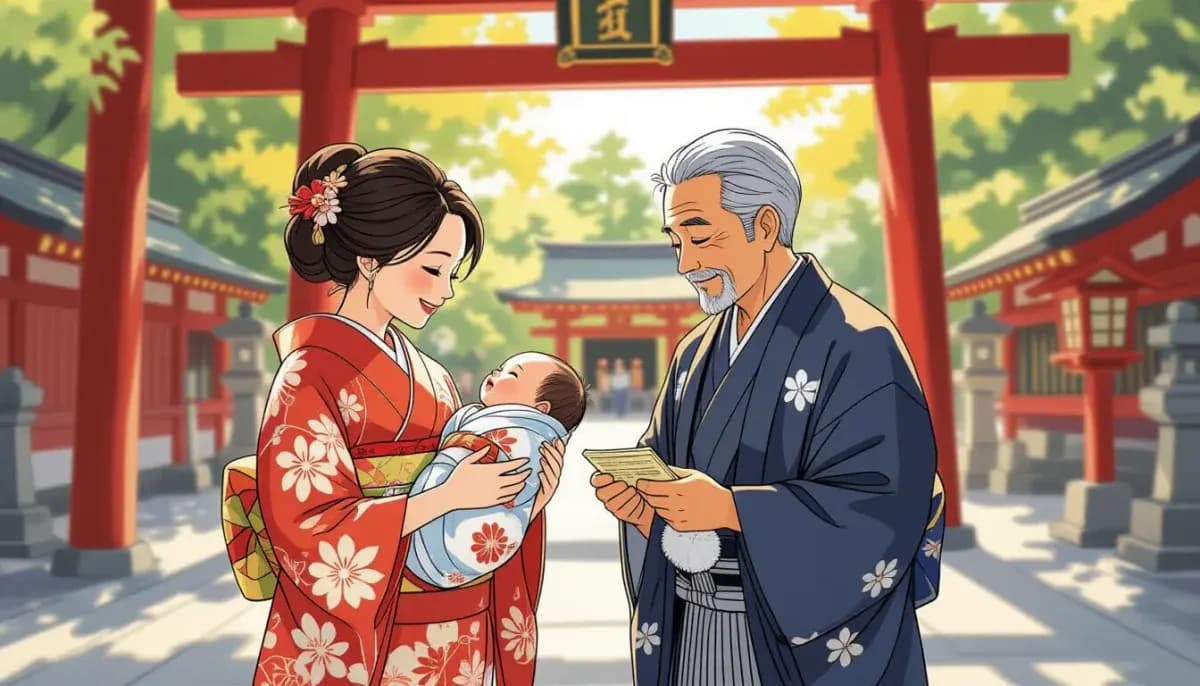
Complete guide to omiyamairi for foreigners in Japan: when to go, what to wear, how much it costs, what to expect at the shrine, and tips for expat families welcoming a new baby.
First Shrine Visit (Omiyamairi) for Your Baby: The Complete Foreigner's Guide
Welcoming a new baby in Japan means stepping into a world of beautiful traditions—and one of the most significant is omiyamairi (お宮参り), the first shrine visit. If you're a foreigner raising a child in Japan, this ceremony is one you'll likely encounter within the first few months of your baby's life. Whether your family is fully committed to Japanese traditions or simply curious, understanding omiyamairi will help you participate with confidence and give your child a meaningful connection to Japanese culture.
This guide covers everything you need to know: what the ceremony means, when to go, what to wear, how much it costs, and what to expect—all from a foreigner-friendly perspective.
What Is Omiyamairi?
Omiyamairi (お宮参り), also called hatsumiyamairi (初宮参り) or ubusuna-mairi, is a Shinto ceremony that officially introduces a newborn baby to the local guardian deity. The ceremony has been practiced in Japan since the Muromachi period—making it approximately 700 years old—and remains one of the most widely observed baby milestones in the country.
The original purpose was communal: the newborn would be brought to the local ujigami shrine to be recognized as a new member of the ujiko, the community under the protection of that area's guardian deity. In modern Japan, the ceremony has evolved into a family celebration focused on praying for the baby's health, happiness, and safe growth.
Japan has a uniquely flexible approach to religion. As one popular saying goes, "Japanese people are born Shinto, marry Christian, and die Buddhist." Omiyamairi reflects this—you don't need to be Shinto (or any religion in particular) to participate. Many foreign families take part simply to honor Japanese culture and create lasting memories.
When Should You Do Omiyamairi?
Timing is one of the first questions new parents ask. Traditionally, the ceremony is held:
- Boys: on the 31st or 32nd day after birth
- Girls: on the 32nd or 33rd day after birth
These specific days come from ancient Shinto custom. However, modern Japanese families are far more flexible. It's widely accepted to hold the ceremony any time between one month and 100 days after birth, and some families wait even longer due to the mother's health, the baby's health, or simply scheduling challenges.
Don't stress about hitting the exact traditional day. What matters most is that both mother and baby are healthy and ready. If your baby is born in winter and the 31st day lands during a snowstorm, there's no harm in waiting a few weeks.
Practical tip: Avoid holidays, particularly Shichi-Go-San season (November), when shrines are extremely crowded. Weekdays are generally quieter and more relaxed than weekends.
What Happens During the Ceremony
If you've never attended a Shinto ceremony before, the experience can feel both mysterious and beautiful. Here's what typically happens:
Arrival and Registration When you arrive at the shrine, look for a sign pointing to the ceremony office (shamusho or uketsuke). You'll register your baby's name and pay the offering fee (hatsuhoryo). Many shrines accept walk-ins, but calling ahead or checking the shrine's website is highly recommended—especially for popular shrines.
Waiting and Preparation After registering, you'll wait until the priest is ready. Busy shrines (especially on weekends) often hold group ceremonies with up to a dozen families at a time, running roughly once per hour. Smaller shrines may perform individual ceremonies.
The Blessing The ceremony lasts anywhere from 5 to 30 minutes. A Shinto priest in orange and white robes leads the ritual before the altar. The ceremony typically includes:
- The priest chanting prayers (norito) on behalf of your baby
- Ringing of bells to drive away evil influences
- Waving of an onusa (a wand decorated with white paper zigzags) over the baby for purification
- Sometimes the priest waves a shaku (a ceremonial wooden baton)
The Forehead Kanji (at some shrines) Some shrines practice brushing a kanji character on the baby's forehead: 大 (Dai, meaning "big/great") for boys, symbolizing strength, and 小 (Sho, meaning "small/delicate") for girls, representing grace.
Shrine Gifts After the ceremony, the priest presents gifts that vary by shrine but often include:
- An omamori (protective amulet—traditionally never to be opened)
- A scroll with the baby's name and the shrine seal
- An ema (wooden wish board)
- Chopsticks, intended for use at the baby's next milestone ceremony, Okuizome (the 100-day first food ceremony)
- Sometimes lucky sugar packets, ceramic figures, or a toddler cup
For more about the wider journey of raising children in Japan, see our guide: The Complete Guide to Daycare and Hoikuen in Japan.
What to Wear: Baby, Parents, and Grandparents
Attire is one of the most visually striking aspects of omiyamairi and also one of the most commonly misunderstood.
Baby's Outfit
The traditional baby outfit consists of two layers:
- Inner garment (*shirohabutae*): a simple white garment placed on the baby
- Outer ceremonial kimono (*kakegi* or *iwai-gi*): this is NOT placed on the baby. Instead, it is draped over the shoulders of the person holding the baby (traditionally the paternal grandmother)
Traditional colors:
- Boys: black or dark navy kimono with auspicious crests and patterns
- Girls: pink, red, or white kimono with embroidered flowers or cranes
Modern families often dress babies in Western-style christening outfits or white rompers, which is perfectly acceptable at most shrines.
Parents and Grandparents
The level of formality for adults is generally set by the baby's outfit. If the baby is in a formal kimono, parents and grandparents typically wear:
- Kimono (most formal)
- Suit and tie / formal dress (semi-formal—common for foreign parents)
- Smart business casual is acceptable at informal shrines
Don't feel pressured to rent or buy a kimono if it's outside your comfort zone. Many foreign parents wear a nice suit or dress and fit right in.
Cost Breakdown: What to Budget
| Item | Estimated Cost |
|---|---|
| Shrine offering fee (hatsuhoryo) | ¥3,000–¥10,000 |
| Baby kimono rental | ¥5,000–¥20,000 |
| Professional photography | ¥15,000–¥50,000+ |
| Family dinner after ceremony | ¥3,000–¥10,000 per person |
| Grandparent gifts (optional) | ¥3,000–¥10,000 |
The shrine offering fee is the only mandatory cost. Present it in a special white envelope (noshibukuro), which you can buy at a 100-yen shop or convenience store. Write "御初穂料" (omihatsuhoryo) on the front.
Professional photography is common but entirely optional. Many families hire a photographer to shoot both at the shrine and at a studio. If you want to keep costs low, a family member with a good smartphone camera works just fine.
For tips on budgeting for baby life in Japan, check out our article on Essential Baby Products Available in Japan.
How to Choose the Right Shrine
Traditionally, families visit their local ujigami shrine—the guardian shrine of the area where the baby will grow up. But this rule is no longer strictly observed, and many families now choose a shrine based on:
- Family significance: a shrine meaningful to the grandparents
- Famous shrines: Meiji Jingu (Tokyo), Fushimi Inari (Kyoto), Sumiyoshi Taisha (Osaka)
- Practical factors: parking, nearby nursing rooms, easy access with a stroller
Tips for foreigners:
- Look for shrines that have English information online or on-site signage
- Call ahead to confirm the ceremony schedule and cost
- Ask if there is a nursing/changing room (授乳室, jonyuushitsu) for the comfort of mother and baby
- Popular shrines in tourist-heavy areas often have staff accustomed to international visitors
For general guidance on navigating family life as a foreigner in Japan, Living in Nihon is an excellent resource for expat families.
Tips Specifically for Foreign Families
You don't need to be religious. Shinto is a deeply cultural tradition in Japan, not a doctrinal religion. Participating in omiyamairi doesn't require belief in Shinto gods—it's widely understood as a cultural celebration of the baby's birth.
Language barrier: Priests generally conduct the ceremony in classical Japanese (kogo), which even many Japanese people don't understand word-for-word. Don't worry about following every detail—the ceremony's meaning transcends language.
Involve the grandparents. If your baby's Japanese grandparents are involved, they will likely feel strongly about following traditional customs. It's worth having a gentle conversation in advance about which elements are important to them (who holds the baby, the timing, attire, etc.). This is often "more their ceremony" than it is for young parents.
Photo opportunities: The shrine grounds are often beautiful, especially with a baby dressed in traditional kimono. Plan to arrive a little early for outdoor photos before the ceremony.
Follow-up ceremonies: Omiyamairi is just the first in a series of Japanese baby milestones. Next comes Okuizome at about 100 days (symbolic first meal), then Shichi-Go-San (a shrine visit at ages 3, 5, and 7). For more on raising children through these milestones, see Toddler Milestones and Development in Japan.
For working parents navigating Japanese systems, For Work in Japan has useful resources on parental leave and family support in Japan.
Connecting with Japan's Baby Traditions
Omiyamairi sits at the beginning of a rich calendar of Japanese childhood ceremonies that span from birth to adulthood. By participating, even partially or informally, you give your child a tangible connection to Japanese culture—one they can look back on with pride.
For educational resources tailored to raising children in Japan, Chuukou Benkyou offers guidance on studying and growing up in Japan, which becomes relevant as your omiyamairi baby grows into a school-age child.
You may also find it valuable to read personal accounts from other foreign parents who have done omiyamairi. The Wagamama Diaries and SoraNews24's cultural overview both offer warm, first-hand perspectives that can help set your expectations.
Quick Reference: Omiyamairi Checklist
| Step | Details |
|---|---|
| Choose shrine | Local ujigami or family/famous shrine |
| Book date | Day 30–100 after birth; call shrine to confirm |
| Prepare offering | ¥3,000–¥10,000 in white noshibukuro envelope |
| Dress baby | Traditional kimono or white christening outfit |
| Adults dress | Kimono, suit, or smart business casual |
| Arrive early | Allow time for outdoor photos |
| After ceremony | Receive shrine gifts; optional family dinner |
Omiyamairi is a gentle, joyful ceremony—a moment to pause, give thanks, and formally welcome your new baby into the community. Whether you follow every tradition meticulously or simply show up in your best outfit with a prayer in your heart, you're participating in something that Japanese families have cherished for 700 years. Treasure it.
For more on raising children and navigating family milestones in Japan, explore our pillar guide: The Complete Guide to the Japanese Education System for Foreign Families.

Originally from Vietnam, living in Japan for 16+ years. Graduated from Nagoya University, with 11 years of professional experience at Japanese and international companies. Sharing practical information for foreign parents raising children in Japan.
View Profile →Related Articles

Creating Family Traditions That Blend Both Cultures
Discover practical strategies for multicultural families in Japan to blend two cultures through intentional traditions, bilingual rituals, and bicultural identity-building for children.
Read more →
How to Mark Milestones Across Two Cultures
A complete guide for bicultural and expat families in Japan on how to celebrate childhood milestones across two cultures — from Shichi-Go-San to birthday traditions, with practical tips for blending both worlds.
Read more →
Half Coming of Age (Nibun no Ichi Seijinshiki)
Everything foreign parents need to know about the Nibun no Ichi Seijinshiki - Japan's Half Coming of Age Ceremony for 10-year-olds. What it is, what happens, and how to participate.
Read more →
School Photo Day and Memory Traditions in Japan
Everything expat parents need to know about school photo day traditions in Japan — from the entrance ceremony shot to graduation albums (sotsugyou arubamu), shashin hanbai ordering systems, yosegaki, and purikura culture.
Read more →
Preschool Recitals and Performance Events
Everything foreign parents need to know about preschool recitals and performance events in Japan — happyokai, undoukai, sotsuenshiki, and more. Practical tips for expat families.
Read more →
Randoseru Buying: Choosing Your Child's School Bag
Everything foreign families need to know about buying a randoseru in Japan — prices, materials, colors, brands, and when to shop. Practical tips for expat parents.
Read more →