
Randoseru Buying: Choosing Your Child's School Bag

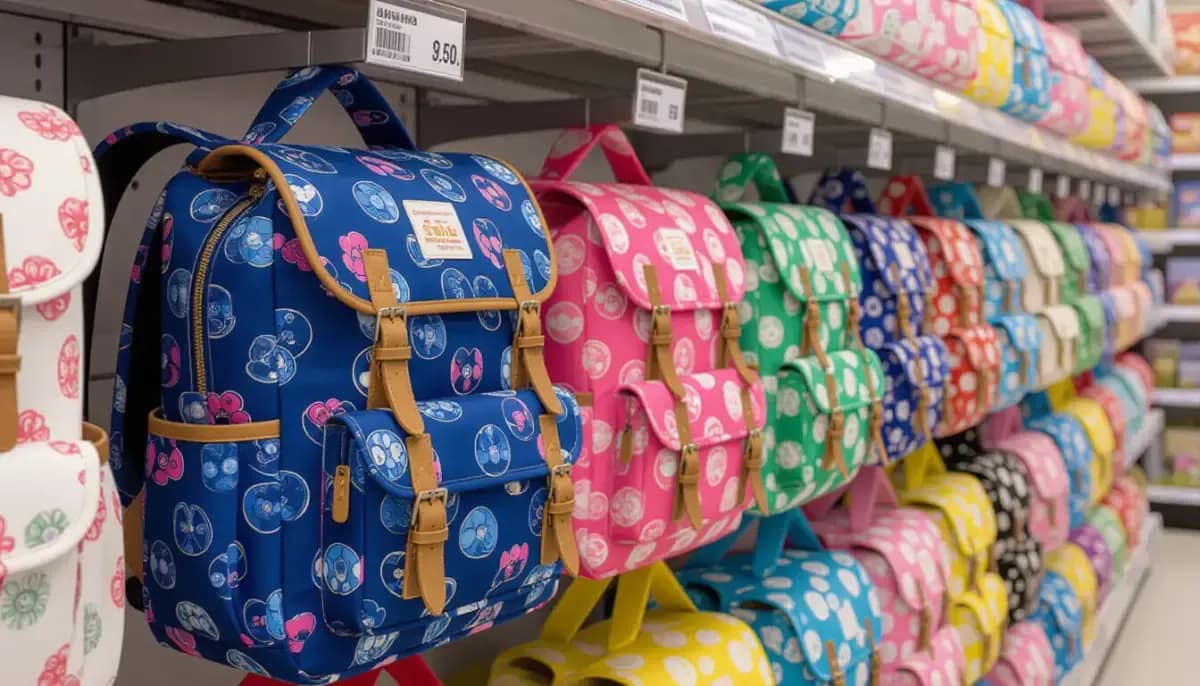
Everything foreign families need to know about buying a randoseru in Japan — prices, materials, colors, brands, and when to shop. Practical tips for expat parents.
Randoseru Buying: Choosing Your Child's School Bag in Japan
When your child is about to enter Japanese elementary school, one of the biggest purchases you'll make is the randoseru — the iconic, structured school backpack that Japanese students carry for all six years of elementary school. For foreign families navigating this process for the first time, the world of randoseru can feel overwhelming: prices range from ¥10,000 to over ¥100,000, shopping season starts more than a year in advance, and there are dozens of brands, colors, and materials to choose from.
This guide covers everything you need to know about buying a randoseru in Japan — from understanding the culture behind it to choosing the right bag for your child's needs and budget.
What Is a Randoseru and Why Does It Matter?
The randoseru (ランドセル) is a firm-sided, structured backpack used by Japanese elementary school children from grades 1 through 6. Unlike regular backpacks, randoseru are built to last exactly six years — most manufacturers even offer six-year warranties and free repair services.
The word comes from the Dutch ransel (military backpack), introduced via Dutch influence during the Edo period. The tradition was formalized in 1885 when Gakushuin school proposed their use, and in 1887, the future Emperor Taisho received one as an entrance gift — cementing the randoseru as a cultural milestone for Japanese families.
Today, the randoseru represents far more than a school bag. It's a rite of passage. Grandparents traditionally purchase it as an elementary school entrance gift (nyūgaku iwai), making it emotionally significant. For foreign families without local grandparents, this purchase typically falls on the parents — and it's worth understanding the tradition before you shop.
Are randoseru mandatory? Technically, no — Japanese law does not require them, and alternative bags are allowed. However, randoseru are culturally expected, and children without them may stand out. Some schools only require them for the first year or two. Always check with your specific school.
For more on what to expect when your child enters Japanese elementary school, see our guide: Elementary School in Japan: A Complete Guide for Foreign Parents.
How Much Does a Randoseru Cost?
Price is often the first shock for foreign families. Randoseru are significantly more expensive than regular school bags, reflecting their six-year durability and the cultural prestige attached to the purchase.
| Price Range | Where to Buy | Quality Level |
|---|---|---|
| ¥10,000–¥30,000 | Online auctions, discount stores | Basic; may not last 6 years |
| ¥30,000–¥50,000 | Nitori, Aeon, mass-market chains | Budget-friendly; decent durability |
| ¥50,000–¥70,000 | Department stores (Takashimaya, Mitsukoshi) | Mid-range; wide selection |
| ¥70,000–¥100,000+ | Specialty brands (Tsuchiya Kaban) | Premium; handcrafted, iconic |
| ¥3,500–¥15,000 | Second-hand (school bazaars, Yahoo Auctions) | Used; inspect carefully |
A 2024 survey of 1,500 guardians found that over 37% reported spending more than ¥65,000 on their child's randoseru. The most popular mid-range sweet spot tends to be ¥50,000–¥70,000, balancing quality and longevity.
Budget tip: Don't forget to budget separately for accessories — rain covers, matching lunch bags, and safety buzzers (personal alarms) are usually sold separately and are worth having.
For advice on managing family finances in Japan, see: Financial Planning for Expat Families Raising Children in Japan.
Randoseru Materials: Synthetic vs. Leather
Choosing the right material affects both the price and how well the bag holds up over six years.
Clarino (Synthetic Leather) — ~70% of the Market
Clarino is a synthetic leather developed by Kuraray Co., Ltd. in 1965. It dominates the randoseru market for good reason:
- Lighter weight — most models weigh around 1,000g, with ultra-light versions at ~800g
- Water-resistant — handles rain much better than natural leather
- Easier to clean and maintain
- More affordable — typically ¥30,000–¥70,000
- Wider color and design selection
Surveys show that 66.7% of buyers choose Clarino for its combination of light weight, variety, and ease of care. For families concerned about the weight of school bags (a genuine issue — children often carry 3+ kg of books), Clarino is the practical choice.
Natural Leather (Cowhide / Cordovan)
Natural leather randoseru — particularly those made from cowhide or the premium cordovan (horsehide) — are the traditional choice and remain popular for prestige purchases:
- More durable — develops a beautiful patina over years of use
- Heavier — often 1,200g or more
- Requires more maintenance — periodic conditioning
- Significantly more expensive — typically ¥70,000–¥100,000+
If you're buying a heritage-quality bag that might be kept as a keepsake after elementary school, natural leather is worth considering. Otherwise, Clarino is the pragmatic choice for most families.
Colors: From Traditional to Modern
The old standard — black for boys, red for girls — is no longer the rule. Japanese children now enjoy a wide range of colors, and color preferences have shifted significantly in recent years.
Current Color Trends (2024 Data)
| Gender | Most Popular Colors |
|---|---|
| Boys | Black (51%), Navy (popular), Blue, Green |
| Girls | Lavender (29%), Pink, Purple, Light Blue, Red |
A few things to keep in mind when choosing color:
- Pastel colors show dirt and grime more easily
- Dark colors (navy, black) show scuff marks but age more gracefully
- Plain, neutral colors tend to look best over six years — trendy patterns or flashy designs may feel dated by grade 4 or 5
- Let your child choose — they'll carry it every day for six years, and ownership matters
If your child is young and indecisive, navy blue and chocolate brown are crowd-pleasing neutral options that suit both genders and age well.
When to Buy: Understanding "Rankatsu"
Rankatsu (ランカツ, short for "randoseru katsu-dō" or randoseru hunting) is the frenzied shopping season that begins far earlier than most foreign parents expect.
- February–March of the year before your child's April enrollment: Catalogs are released and stores begin displaying new models
- Spring–Summer of the year before enrollment: Peak shopping season — popular colors and brands sell out fast
- Fall: Last chance to buy before stock runs out; made-to-order bags may require 6+ months lead time
- International buyers: Add even more lead time if ordering from outside Japan
This means if your child is entering school in April 2026, you should start shopping in spring 2025 — 12 to 18 months ahead of time. This timeline shocks many foreign families, but it's real. The most popular models from premium brands like Tsuchiya Kaban sell out months before the school year begins.
If you've missed the main season: Check Yahoo Auctions, Rakuten, and Aeon for remaining stock, or consider the second-hand market.
Top Randoseru Brands to Know
Premium Brands
- Tsuchiya Kaban (土屋鞄) — The most iconic premium brand, known for handcrafted quality. Bags take 150+ pieces and ~300 assembly steps. Sells out early every year.
- Seiban — Known for ergonomic designs that reduce back strain; popular with health-conscious parents.
- Hashimoto Fit Chan — Stylish with decorative options, popular for girls.
Fashion/Character Brands (Popular for Girls)
- Mezzo Piano — Rhinestones, bows, premium feminine designs
- Pom Ponette — Parisian-inspired aesthetic
Sports Brand Collaborations
- Nike, Puma, Converse — Available in Japan; more casual sports aesthetic; popular with active boys
Mass Market (Budget-Friendly)
- Aeon (イオン) — Reliable, affordable, wide selection
- Nitori — Good value, practical designs
For a broader look at adjusting to Japanese school culture, see: The Complete Guide to the Japanese Education System for Foreign Families.
Where to Buy a Randoseru
In Japan
- Department stores (Takashimaya, Mitsukoshi, Sogo, Seibu): Wide selection, knowledgeable staff, fitting assistance
- Specialty brand stores (Tsuchiya Kaban flagship stores): Best for premium purchases
- Mass-market chains (Aeon, Nitori): Budget-friendly, good for practical choices
- Online (Rakuten, Yahoo Auctions): Convenient; second-hand also available here
Outside Japan
If you're planning ahead from overseas, Amazon Japan and international retailers carry some brands, but availability is limited. For custom or made-to-order bags, place your order at least 6–8 months before you need it, longer for international shipping.
For further reading on randoseru buying from an expat perspective, Savvy Tokyo's randoseru buying guide offers excellent advice. The RetireJapan community also has useful money-saving tips from long-term residents.
For information on related school supplies and preparation, From Japan's cultural guide to randoseru is a detailed reference.
Tips for Foreign Families Buying a Randoseru
1. Have your child try it on. Fit matters more than looks — check strap padding, back support, and how the bag sits. A bag that pinches or wobbles will cause posture problems over time.
2. Prioritize durability and weight. Children carry heavy loads (3 kg or more of textbooks is normal). A lighter bag with good weight distribution is more important than a pretty design.
3. Consider the second-hand market. School bazaars and Yahoo Auctions are legitimate and widely accepted. You can find quality bags for ¥3,500–¥15,000 — especially useful if you're unsure how long you'll be in Japan.
4. Check your school's culture first. Some international-leaning schools or private schools have more relaxed bag policies. Ask the school office before committing to a purchase.
5. Don't panic if you've missed "rankatsu." Mass-market brands (Aeon, Nitori) typically have stock available into February of the school entrance year. You may have fewer choices, but you won't be completely shut out.
6. Grandparent gifting tradition. If you have family in Japan or grandparents who want to contribute, let them know this is traditionally their gift to give. Many Japanese grandparents are familiar with the tradition and would be honored to participate.
For additional resources on life in Japan with children, Living in Nihon and For Work in Japan offer guides on various aspects of settling into Japanese life as a foreigner.
Randoseru as a Keepsake
Many Japanese families keep the randoseru after their children finish elementary school. Some specialty services will transform an old randoseru into a smaller keepsake item — a mini-bag, coin purse, or photo frame — preserving the material as a family memory.
For foreign families who may eventually leave Japan, this is worth knowing. A well-chosen, high-quality randoseru can become a meaningful memento of your child's Japanese school years. For more on preserving your family's connection to Japanese culture, see: Cultural Identity for Hafu and Mixed-Race Children in Japan.
Summary: Randoseru Buying Checklist
- Start shopping 12–18 months before April enrollment
- Budget ¥30,000–¥70,000 for a quality bag (plus accessories)
- Choose Clarino for lighter weight and easier maintenance
- Let your child pick the color — they'll carry it for six years
- Try the bag on in person before buying
- Check with your school about requirements first
- Consider the second-hand market if you need to save money
- Don't forget accessories: rain cover, safety buzzer, lunch bag
For more on Japan's education system and raising children in Japan, explore our related guides on daycare and hoikuen, kindergarten in Japan, and raising bilingual children.
You can also find useful cultural background on the randoseru at Japan Objects and Go! Go! Nihon.
For community support and advice from other expat parents navigating Japan's school system, Chuukou Benkyou is a helpful resource for families with children in the Japanese education system.

Originally from Vietnam, living in Japan for 16+ years. Graduated from Nagoya University, with 11 years of professional experience at Japanese and international companies. Sharing practical information for foreign parents raising children in Japan.
View Profile →Related Articles
Creating Family Traditions That Blend Both Cultures
Discover practical strategies for multicultural families in Japan to blend two cultures through intentional traditions, bilingual rituals, and bicultural identity-building for children.
Read more →
How to Mark Milestones Across Two Cultures
A complete guide for bicultural and expat families in Japan on how to celebrate childhood milestones across two cultures — from Shichi-Go-San to birthday traditions, with practical tips for blending both worlds.
Read more →
Half Coming of Age (Nibun no Ichi Seijinshiki)
Everything foreign parents need to know about the Nibun no Ichi Seijinshiki - Japan's Half Coming of Age Ceremony for 10-year-olds. What it is, what happens, and how to participate.
Read more →
School Photo Day and Memory Traditions in Japan
Everything expat parents need to know about school photo day traditions in Japan — from the entrance ceremony shot to graduation albums (sotsugyou arubamu), shashin hanbai ordering systems, yosegaki, and purikura culture.
Read more →
Preschool Recitals and Performance Events
Everything foreign parents need to know about preschool recitals and performance events in Japan — happyokai, undoukai, sotsuenshiki, and more. Practical tips for expat families.
Read more →
First Day of School Traditions and Customs in Japan
Everything foreign parents need to know about Japan's first day of school: the nyuugakushiki entrance ceremony, randoseru, dress codes, indoor shoes, and daily school customs.
Read more →