
How to Mark Milestones Across Two Cultures

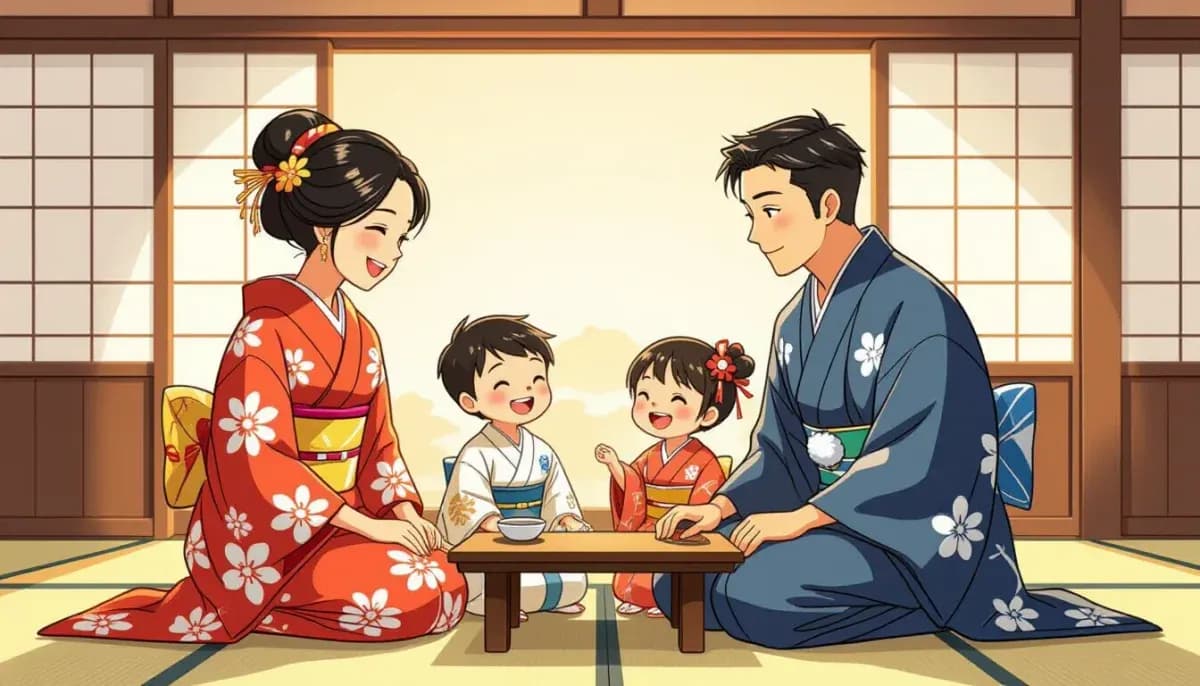
A complete guide for bicultural and expat families in Japan on how to celebrate childhood milestones across two cultures — from Shichi-Go-San to birthday traditions, with practical tips for blending both worlds.
How to Mark Milestones Across Two Cultures: A Guide for Bicultural Families in Japan
Raising children across two cultures in Japan is one of the most rewarding — and occasionally confusing — experiences a family can have. Whether you are a foreign parent married to a Japanese partner, or an expat couple living in Japan long-term, you will inevitably face the delightful challenge of deciding how to celebrate your child's milestones. Do you follow Japanese traditions like Shichi-Go-San? Do you keep your home country's customs alive? Or do you find a creative blend of both?
The good news is: you don't have to choose. Approximately 1 in every 49–50 babies born in Japan has at least one non-Japanese parent, and with over 20,000 international marriages registered annually, bicultural families are a vibrant and growing part of Japanese society. You are far from alone in navigating this territory. This guide walks you through the key milestones in Japanese childhood, how to honor your own cultural traditions alongside them, and practical tips for making every celebration meaningful for your whole family.
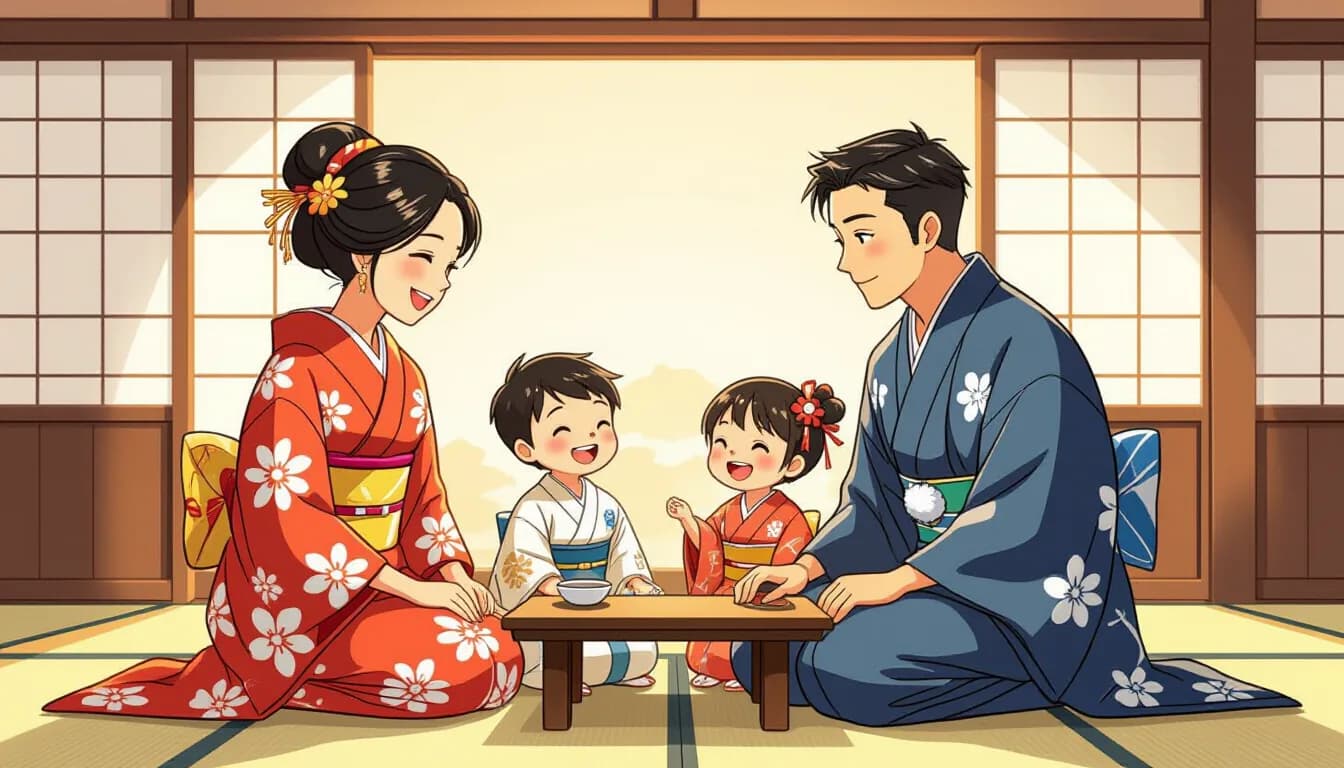
Understanding Japanese Childhood Milestones
Japan has a rich calendar of traditional ceremonies marking a child's growth. For bicultural families, learning what these ceremonies mean — and deciding which ones feel right for your family — is an important first step.
Oshichiya (お七夜) — 7th Night Naming Ceremony Held on the seventh night after birth, Oshichiya is the traditional moment when parents formally announce their baby's name. A special name card (meimei-sho) is written and often displayed or gifted to grandparents. For bicultural families, this is a beautiful opportunity to introduce a name that works in both languages, or to hold a parallel naming ceremony from your own culture.
Omiyamairi (お宮参り) — First Shrine Visit Typically done 30–31 days after birth for boys and 32–33 days for girls, this is when the baby is presented at a local Shinto shrine. Grandparents traditionally dress the baby in a ceremonial robe. Foreign families often participate happily in this ceremony — it requires no religious conversion and is seen primarily as a cultural blessing. See more about raising children and education in Japan for foreigners.
Okuizome (お食い初め) — First Meal Ceremony Around 100 days old, a symbolic feast is prepared and the baby is "fed" for the first time (symbolically). The ceremonial meal includes rice, fish, and a small stone — representing strength and a lifetime of never going hungry.
Shichi-Go-San (七五三) — 3, 5, and 7 Year Celebration One of Japan's most iconic childhood milestones, Shichi-Go-San is held on November 15th each year. Children aged 7, 5, and 3 visit shrines in formal attire, receive chitose ame (thousand-year candy), and prayers are offered for their health and happiness. For bicultural families, this is often a cherished tradition even when one parent is not Japanese.
School Entry (入学式 — Nyuugakushiki) Starting elementary school in Japan is marked by a formal entrance ceremony. Children typically wear formal dress — many girls wear kimono or elegant suits, and boys wear suits or formal hakama. This milestone is treated with significant cultural weight in Japan. For guidance on navigating the school system, see our complete guide to the Japanese education system for foreign families.
Honoring Your Home Culture's Traditions
While embracing Japanese milestones is meaningful, keeping your own cultural traditions alive gives your children a richer sense of identity and belonging. Research consistently shows that children with strong connections to both their heritage cultures have better self-esteem and cross-cultural adaptability.
Birthdays Across Cultures Birthday traditions differ dramatically around the world. In the United States and Europe, birthday parties with cakes, balloons, and friends are standard. In Korea, the Dol (first birthday) is a lavish celebration with specific symbolic foods and rituals. In the Philippines, debut parties mark a girl's 18th birthday. Many Japanese families celebrate birthdays with cakes but without the party-heavy culture common in some Western countries.
For bicultural families, consider:
- Hosting a combined celebration that incorporates elements from both cultures
- Marking "big" birthdays (1st, 5th, 10th) with your home country's traditions
- Letting older children choose which traditions they want to observe
Religious and Cultural Ceremonies Christmas, Diwali, Eid, Hanukkah, Lunar New Year — if your family celebrates these events, maintaining these traditions in Japan is both possible and deeply meaningful. Many bicultural families find that their children develop a special pride in being the "only family at school that celebrates both Obon AND Thanksgiving."
Milestones Not on the Japanese Calendar Coming-of-age traditions from other cultures — quinceañeras, bar/bat mitzvahs, Confirmation, debutante events — may not have a Japanese equivalent, but they can absolutely be celebrated in Japan with planning and community support. Large cities like Tokyo and Osaka have international communities that can help you find caterers, venues, and officiants familiar with these events.
For practical support on expat family life in Japan, For Work in Japan's family life guide covers multicultural parenting tips and community resources.
Practical Tips for Blending Milestone Celebrations
The art of marking milestones across two cultures lies in intentionality. Here are strategies that experienced bicultural families recommend:
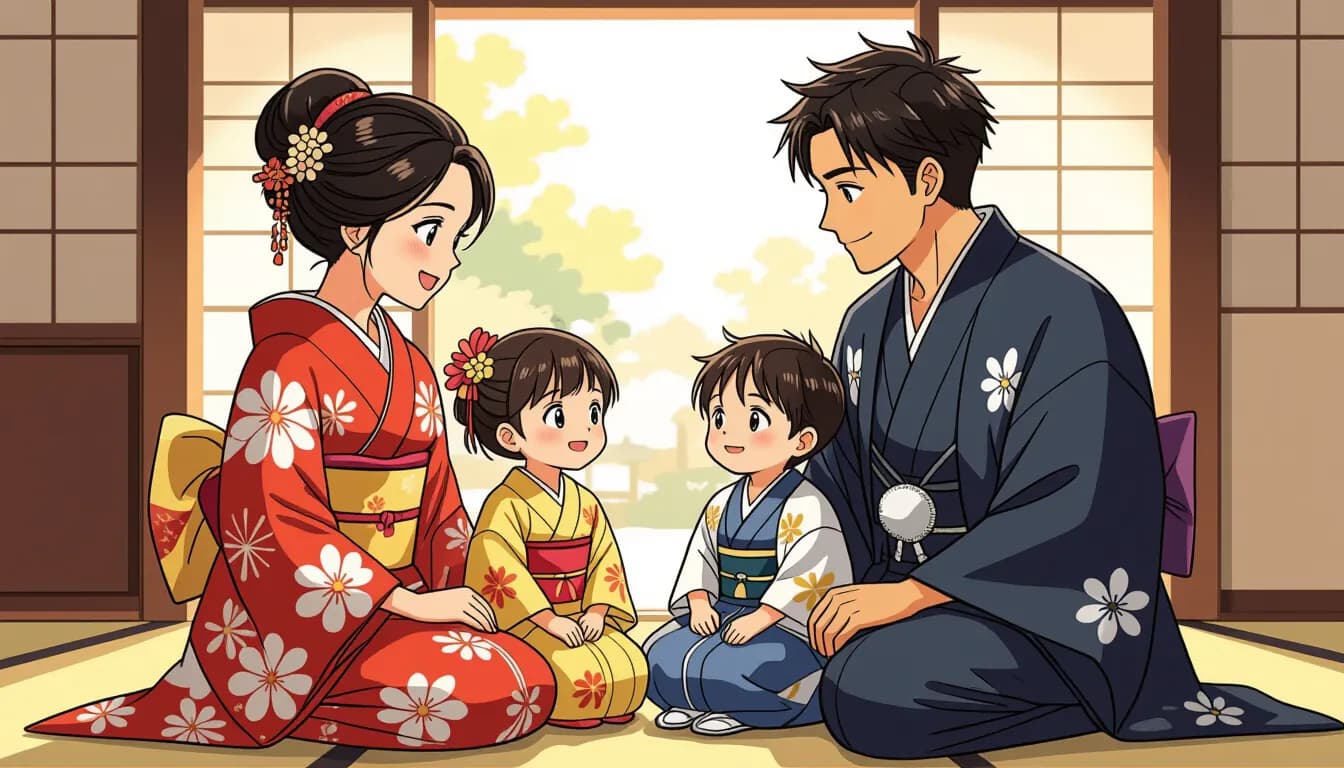
Create Your Own Family Traditions Rather than strictly following either culture's script, many bicultural families create entirely new traditions. For example: dressing children in kimono for Omiyamairi AND taking a photo in their birth country's traditional outfit. Or celebrating Shichi-Go-San at the shrine AND having Grandma (overseas) video-call in to watch.
Involve Both Sets of Grandparents If one set of grandparents is overseas, technology is your friend. Live-streaming shrine visits, birthday parties, and school entrance ceremonies to family abroad helps children feel connected to their extended family on both sides. Many families now create shared photo albums or annual video compilations of milestone moments to send to overseas grandparents.
Communicate with Japanese Family If your partner's Japanese family has strong expectations about following traditional ceremonies, clear and early communication is key. Most Japanese grandparents are genuinely curious about and supportive of the foreign partner's cultural practices — especially when framed as enriching the grandchildren's identity rather than replacing Japanese customs.
Budget for Two Cultural Calendars Bicultural families face real financial considerations that mono-cultural Japanese families do not. Beyond standard child-rearing costs — which include Japan's childbirth lump-sum benefit of 500,000 yen and child allowances of 10,000–15,000 yen/month through middle school — bicultural families also budget for:
- International flights for milestone visits to home countries
- Ceremonial attire from both cultures (kimono rental, traditional dress from home country)
- International shipping of gifts from overseas grandparents
- Visa renewal fees
For detailed financial planning guidance, see our guide on financial planning for expat families raising children in Japan.
Key Japanese Milestone Ceremonies: A Quick Reference
| Milestone | Japanese Name | Timing | What Happens |
|---|---|---|---|
| Naming Ceremony | Oshichiya (お七夜) | 7th night after birth | Name announced, meimei-sho written |
| First Shrine Visit | Omiyamairi (お宮参り) | Day 30–33 | Baby presented at shrine, prayers offered |
| First Meal | Okuizome (お食い初め) | Around 100 days | Symbolic first feast prepared |
| 3-5-7 Celebration | Shichi-Go-San (七五三) | November 15th | Shrine visit in formal attire |
| First Birthday | Issai no Tanjoukai | Age 1 | Cake, family gathering |
| School Entrance | Nyuugakushiki (入学式) | April | Formal school entrance ceremony |
| Coming of Age | Seijin-shiki (成人式) | Age 20 (January) | National Coming of Age Day ceremony |
For more on supporting your child through Japan's educational milestones, explore our guides on elementary school in Japan, junior high school, and high school options for foreign families.
Supporting Your Child's Bicultural Identity Through Milestones
Milestones are not just parties — they are identity-forming moments. How you celebrate your child's milestones sends a powerful message about which cultures you value and where your child belongs.
Language is Central Ceremonies often involve language — prayers, toasts, readings. For bicultural families, incorporating both languages into milestone celebrations reinforces bilingual identity. Read a blessing in both languages at Omiyamairi. Sing "Happy Birthday" and then the equivalent in your home language. Give speeches that acknowledge both sides of your child's heritage.
Raising bilingual children takes sustained effort beyond just milestone ceremonies. Our guide on raising bilingual children in Japan and heritage language maintenance offer evidence-based strategies for home language support. Research using the OPOL (one parent, one language) method shows children can develop genuine biliteracy from infancy when parents are consistent.
Address Identity Questions Openly As your child grows, they will begin to notice that their family's celebrations look different from those of their Japanese friends. This can be a source of pride or confusion depending on how it is framed. Celebrate the uniqueness openly — your child gets two New Years, two sets of grandparent visits, and a worldview that most of their classmates will never have.
For families with mixed-heritage children, our article on cultural identity for hafu and mixed-race children in Japan addresses the psychological dimensions of bicultural identity in depth.
Connect with the Bicultural Community Japan's bicultural and expat parenting communities are more active and organized than ever. Online communities on Facebook, Meetup, and dedicated apps bring together international parents who share milestone photos, ceremony tips, and emotional support. Groups like "International Families in Tokyo" and "Raising Bilingual Kids in Japan" have thousands of members.
For more community insights and daily life in multicultural families in Japan, Visit Inside Japan's multicultural families guide offers honest accounts from families navigating the same terrain.
When Milestone Traditions Conflict
Sometimes, the two cultures' milestone calendars genuinely conflict — or one partner's family has strong expectations that clash with the other's. Here is how to navigate the most common tension points:
Timing Conflicts Japanese milestones like Shichi-Go-San are fixed to specific dates (November 15th), while home country milestones like Christmas or Diwali may fall nearby. Planning ahead — booking shrine appointments early, coordinating overseas family video calls in advance — reduces last-minute stress.
Religious Considerations Japanese ceremonies are typically Shinto or Buddhist in form, but most are observed as cultural rather than religious practices by the majority of Japanese families. If you have strong religious convictions from your own tradition, it is entirely normal to participate in the cultural aspects of Japanese ceremonies while also marking the moment with your own prayers or blessings. Speaking with a priest at the shrine in advance can clarify what participation involves.
Grandparent Expectations Japanese grandparents may expect grandchildren to participate fully in Japanese ceremonies, especially if they are helping with costs (kimono rental, shrine fees). Foreign grandparents may feel their traditions are being sidelined. Proactive communication — and inviting overseas grandparents to participate via technology — helps both sets of grandparents feel included and valued.
For more on navigating Japanese family culture and social expectations, Cultural Atlas: Japanese Family Culture provides helpful background on family dynamics. For general expat support resources, Living in Nihon's life events and financial planning guide covers the financial side of milestone planning in Japan. And for exam-related milestones as your children approach middle and high school, Chuukou Benkyou is a resource focused on Japan's academic progression system.
Conclusion: Milestones That Honor Both Worlds
Marking milestones across two cultures is ultimately an act of love — love for your children, for their heritage, and for the rich, complex identity they are building. The ceremonies you choose to observe, the languages you speak in them, and the stories you tell around them all become part of your family's unique narrative.
Japan offers a beautiful framework of ceremonies that mark the passage of childhood with care and intention. Your home culture offers another. You have the rare privilege of drawing from both. Embrace the complexity, plan with flexibility, and celebrate generously. Your children will carry these dual-culture milestone memories with them for a lifetime.
For more guidance on raising children in Japan as a foreign parent, explore our comprehensive guides on baby and infant care in Japan, toddler parenting in Japan, and healthcare for children in Japan. For government support available to your family, see our guide to government benefits and subsidies for families in Japan.

Originally from Vietnam, living in Japan for 16+ years. Graduated from Nagoya University, with 11 years of professional experience at Japanese and international companies. Sharing practical information for foreign parents raising children in Japan.
View Profile →Related Articles
Creating Family Traditions That Blend Both Cultures
Discover practical strategies for multicultural families in Japan to blend two cultures through intentional traditions, bilingual rituals, and bicultural identity-building for children.
Read more →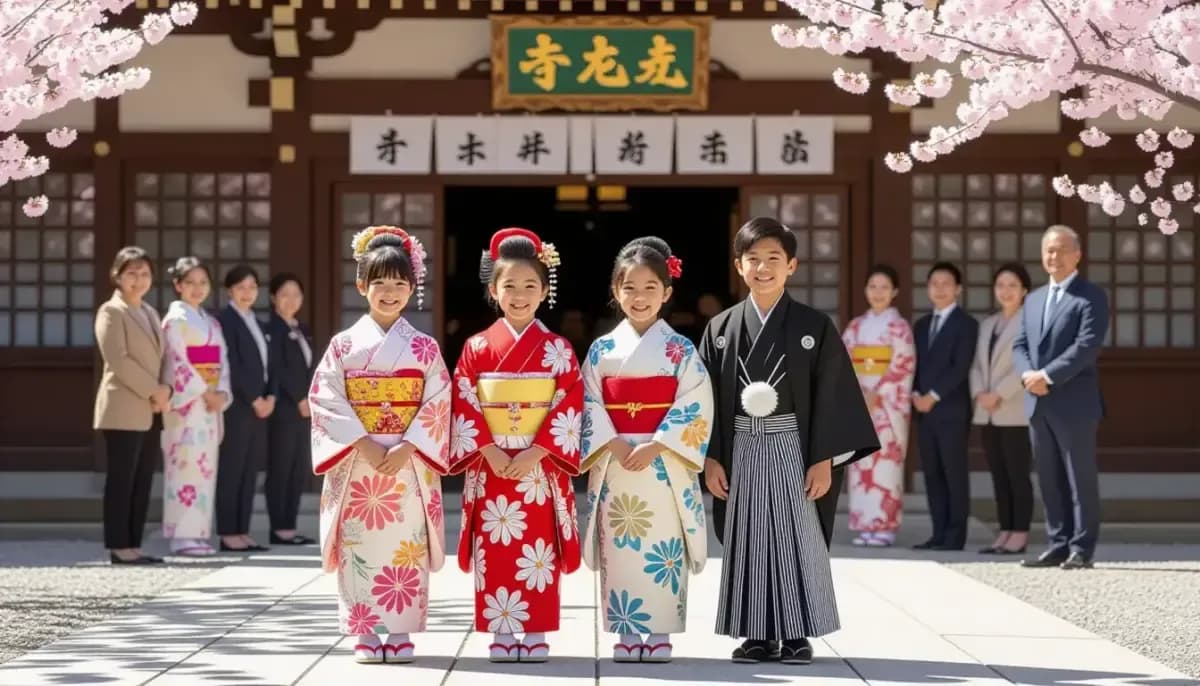
Half Coming of Age (Nibun no Ichi Seijinshiki)
Everything foreign parents need to know about the Nibun no Ichi Seijinshiki - Japan's Half Coming of Age Ceremony for 10-year-olds. What it is, what happens, and how to participate.
Read more →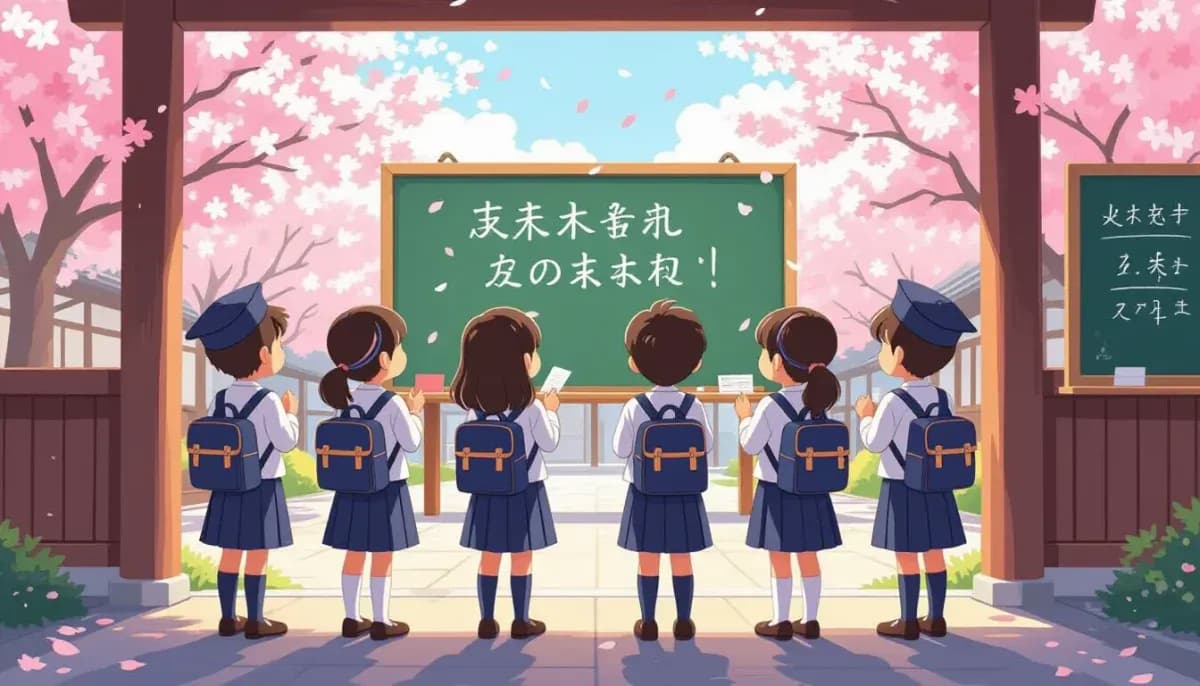
School Photo Day and Memory Traditions in Japan
Everything expat parents need to know about school photo day traditions in Japan — from the entrance ceremony shot to graduation albums (sotsugyou arubamu), shashin hanbai ordering systems, yosegaki, and purikura culture.
Read more →
Preschool Recitals and Performance Events
Everything foreign parents need to know about preschool recitals and performance events in Japan — happyokai, undoukai, sotsuenshiki, and more. Practical tips for expat families.
Read more →
Randoseru Buying: Choosing Your Child's School Bag
Everything foreign families need to know about buying a randoseru in Japan — prices, materials, colors, brands, and when to shop. Practical tips for expat parents.
Read more →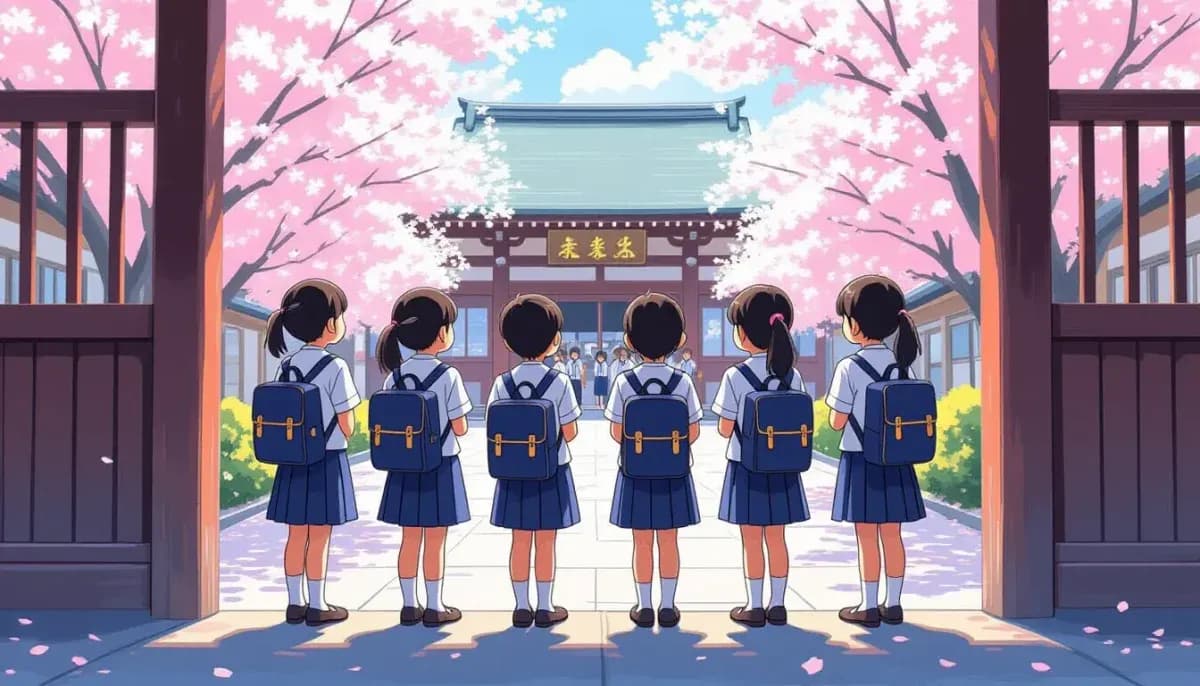
First Day of School Traditions and Customs in Japan
Everything foreign parents need to know about Japan's first day of school: the nyuugakushiki entrance ceremony, randoseru, dress codes, indoor shoes, and daily school customs.
Read more →