

Creating Family Traditions That Blend Both Cultures
Discover practical strategies for multicultural families in Japan to blend two cultures through intentional traditions, bilingual rituals, and bicultural identity-building for children.
Read more →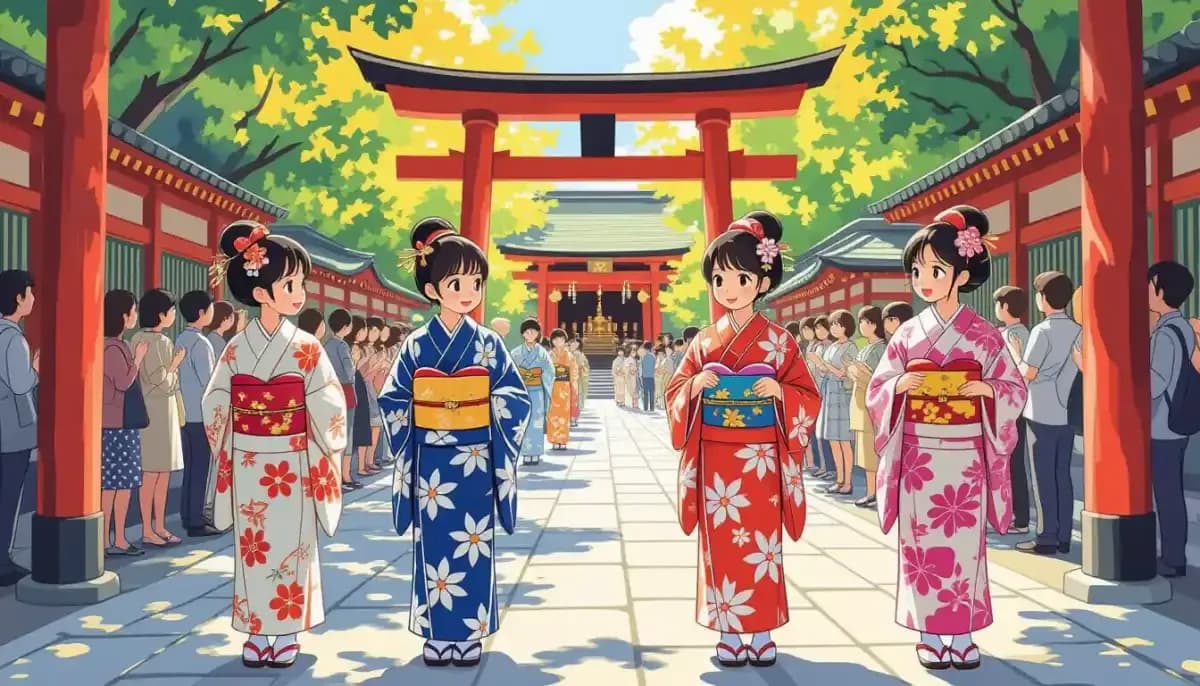
Complete guide to Japan's milestone ceremonies for foreign families: Shichi-Go-San for children aged 3, 5, and 7, Seijin no Hi coming-of-age ceremonies, and elder milestone celebrations from Kanreki to Hyakuju.
Japan is a country that deeply honors life's transitions. From the earliest days of childhood through old age, Japanese culture marks key milestones with ceremonies steeped in centuries of tradition, Shinto ritual, and community celebration. For foreign families raising children in Japan, understanding these traditions can open doors to richer cultural participation — and help your children feel more connected to the society around them.
This guide covers every major milestone ceremony in Japan, from Shichi-Go-San for young children to Seijin no Hi for new adults, and the elder celebrations that honor longevity well into the triple digits.
Shichi-Go-San (七五三), meaning "Seven-Five-Three," is one of Japan's most beloved childhood ceremonies. Held on November 15 each year (though families often celebrate throughout October and November), it honors children reaching the ages of 3, 5, and 7 — ages traditionally believed to carry special significance.
Shichi-Go-San traces its roots to the Heian period (794–1185), when it was practiced among Japanese aristocrats as a way of giving thanks for a child's survival. In an era of high infant mortality, these ages represented important thresholds of health and vitality. The celebration expanded to samurai and merchant classes during the Edo period (1603–1868) and eventually became a nationwide tradition.
| Age | Who Celebrates | Tradition |
|---|---|---|
| 3 | Boys and girls | First formal shrine visit; girls begin growing their hair |
| 5 | Boys | Wearing hakama for the first time; symbolizes readiness for education |
| 7 | Girls | First time wearing a full kimono with obi sash |
Families dress children in traditional formal attire — kimono and hakama for boys, elaborate kimono for girls — and visit local Shinto shrines or Buddhist temples for purification rituals and blessings from a priest. It's a communal, joyful event: expect to see multiple families gathered at popular shrines, all dressed in vibrant colors.
One of the most iconic elements of Shichi-Go-San is chitose-ame (千歳飴), long red-and-white candy sticks packaged in bags decorated with cranes and turtles — both traditional Japanese symbols of longevity. Children receive these sweets as part of the blessing, and the elongated shape represents a long and healthy life.
Can foreign families participate? Absolutely. Many Shinto shrines welcome non-Japanese families for Shichi-Go-San blessings. You can rent traditional attire from kimono rental shops across Japan. For more about integrating into Japanese cultural life, see Living in Nihon's guides on life in Japan.
For more on raising children through Japan's school system and cultural milestones, see our guide to toddler parenting in Japan.
Seijin no Hi (成人の日), or Coming of Age Day, is a national holiday held on the second Monday of January each year. It formally welcomes young people into adulthood and is one of the most visually spectacular days on Japan's cultural calendar.
In April 2022, Japan lowered the legal age of adulthood from 20 to 18, in line with international standards. However, the cultural tradition of celebrating the transition at age 20 remains deeply embedded. Most municipalities still invite 20-year-olds to their official seijinshiki ceremonies, and the social understanding of "becoming an adult" in Japan continues to center on 20.
Local governments organize seijinshiki ceremonies at civic halls, theaters, and community centers. New adults receive formal invitations based on their residency registration (juminhyo). The event typically includes:
The atmosphere ranges from solemn and reflective in smaller towns to festive and even raucous in large cities — every ceremony is different.
What makes Seijin no Hi so visually striking is the traditional clothing:
Women: Most female participants wear furisode (振袖) — formal kimono with dramatically long, flowing sleeves. The long sleeves traditionally indicate unmarried status. Furisode come in vibrant colors with intricate seasonal patterns and are paired with styled hair, white tabi socks, and zori sandals. Preparation — booking a rental kimono, scheduling hair and makeup — often begins months in advance.
Men: Traditional attire includes hakama (formal wide-leg trousers) with a haori jacket. Many men today choose Western-style suits, and contemporary and creative variations are increasingly common.
For a detailed look at Japan's job market and adult life after this milestone, check out For Work in Japan's career resources.
For more on supporting your child's transition to adulthood in Japan, see our guide to high school in Japan for foreign families.
Japan's coming-of-age rituals trace back over 1,000 years to the 8th-century Heian period, when young male nobles would don new robes, change their hairstyles, and be formally presented to the court as adults. This ancient ceremony, known as genpuku, was the precursor to modern Seijin no Hi.
The modern holiday was officially established in 1948, inspired partly by a 1946 youth festival organized in Warabi City following the end of World War II. Post-war Japan saw these ceremonies as a way to rebuild national identity and encourage young people to take responsibility for the country's future.
What makes Japan's milestone culture truly unique is that it doesn't stop at adulthood. Japan has a rich tradition of celebrating elder milestones, each with its own name, symbolic color, and meaning.
| Age | Name | Kanji | Symbolism |
|---|---|---|---|
| 60 | Kanreki | 還暦 | Completes full 60-year zodiac cycle; "return to childhood"; red vest |
| 70 | Koki | 古希 | Wisdom and rarity; purple decorations |
| 77 | Kiju | 喜寿 | Lucky number; joy and balance |
| 80 | Sanju | 傘寿 | Accumulated wisdom; family gratitude |
| 88 | Beiju | 米寿 | Rice kanji (米) = prosperity; gold/yellow |
| 99 | Hakuju | 白寿 | White kanji (白); near-century milestone |
| 100 | Hyakuju | 百寿 | Government sends congratulatory letters |
These elder celebrations are typically family affairs, marked with special meals, the symbolic attire color, and expressions of gratitude to the elders for their longevity and wisdom.
Beyond the major ceremonies, Japanese life is filled with smaller but meaningful observances:
Birth (Oshichiya - お七夜): On the seventh night after birth, the baby's name is officially announced. A naming ceremony is held with a celebratory meal.
First Shrine Visit (Omiyamairi - お宮参り): Around 30–31 days after birth for boys and 32–33 days for girls, the baby is taken to a Shinto shrine for their first blessing. The baby is traditionally dressed in a white kimono under a formal outer robe.
First Foods (Okuizome - お食い初め): Around 100 days after birth, a ceremonial meal is prepared to symbolize a life never lacking in food. The baby does not actually eat but is symbolically "fed" each dish.
School Entrance and Graduation: School entrance ceremonies (nyuugakushiki) and graduation ceremonies (sotsugyoushiki) are formal, semi-annual milestones observed at every level of the Japanese education system. For more, see our complete guide to the Japanese education system.
For guidance on navigating these early childhood milestones and developmental stages, Chuukou Benkyou provides excellent educational resources.
One of the most rewarding aspects of living in Japan is the opportunity to take part in these traditions. Here's how foreign families can engage:
Shichi-Go-San: Any child living in Japan can participate. Rent traditional kimono and hakama from local rental shops (many offer full styling packages), book a slot at a nearby shrine, and join the celebration. Professional photographers are available near major shrines.
Seijin no Hi: If your child is registered as a resident and turns 20 (or 18, depending on your municipality) during the year, they will typically receive an official invitation by mail. Check with your local city or ward office for details.
Elder Celebrations: Japanese families warmly welcome participation in kanreki and other elder milestone celebrations. If your family or friends reach these ages, celebrating in the Japanese way — with the traditional color, a special meal, and symbolic gifts — is a meaningful gesture.
For navigating the visa and legal residency requirements that enable full participation in Japanese civic life, see our guide to visa and legal issues for foreign families in Japan.
For deeper reading on Japan's cultural milestone traditions from an expat perspective, Moments Log's guide to Japanese traditional ceremonies and Kokoro Care's article on coming-of-age milestones are excellent resources.
For children of foreign families growing up in Japan, participating in these milestone ceremonies is about more than just wearing beautiful clothes and visiting shrines. It's about belonging — about having a shared cultural language with their Japanese peers, neighbors, and future colleagues.
Understanding when Shichi-Go-San is celebrated, what furisode means, and why Seijin no Hi still matters even after the legal age change gives your child the cultural literacy to navigate Japanese society with confidence.
For more on raising children who are culturally and linguistically connected in Japan, explore our guides on raising bilingual children in Japan and supporting cultural identity for mixed-heritage children.
Japan's milestone ceremonies are not just traditions — they are Japan's way of saying: your life matters, and these moments deserve to be honored.
Discover practical strategies for multicultural families in Japan to blend two cultures through intentional traditions, bilingual rituals, and bicultural identity-building for children.
Read more →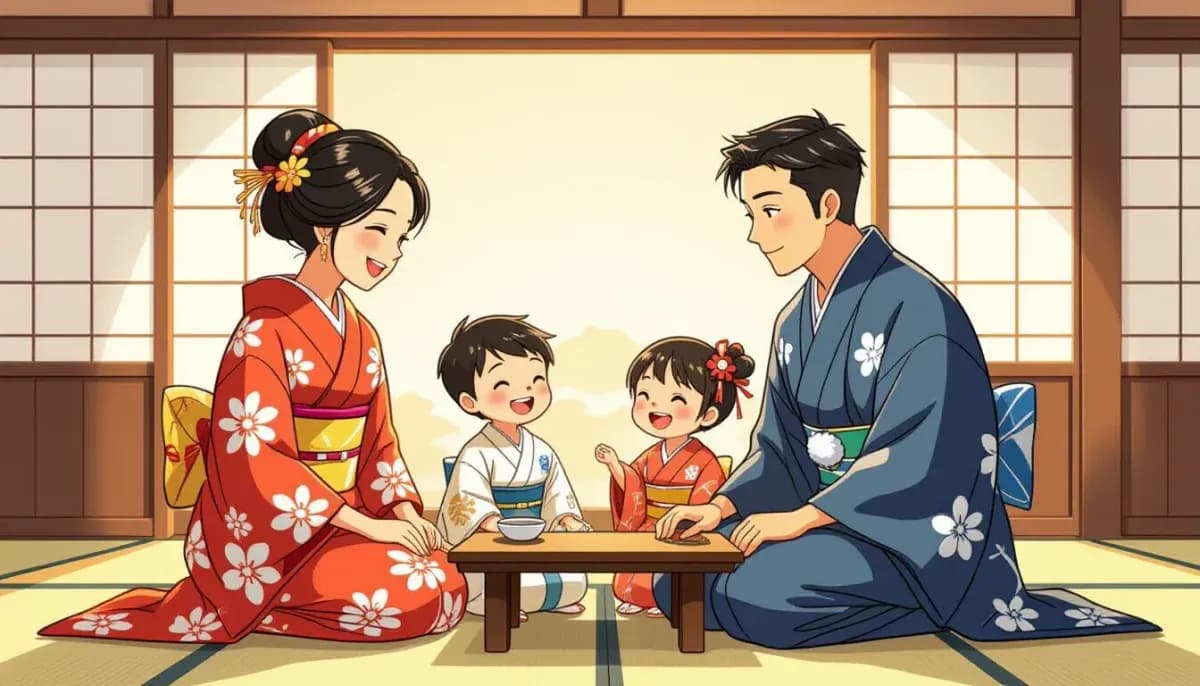
A complete guide for bicultural and expat families in Japan on how to celebrate childhood milestones across two cultures — from Shichi-Go-San to birthday traditions, with practical tips for blending both worlds.
Read more →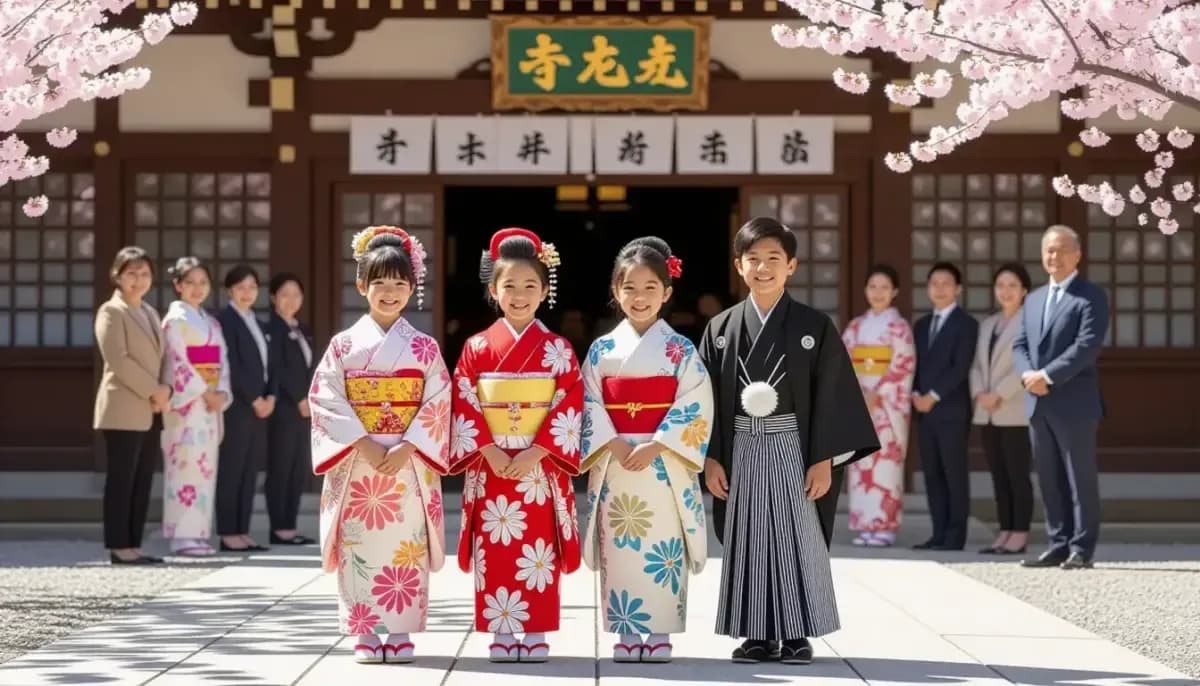
Everything foreign parents need to know about the Nibun no Ichi Seijinshiki - Japan's Half Coming of Age Ceremony for 10-year-olds. What it is, what happens, and how to participate.
Read more →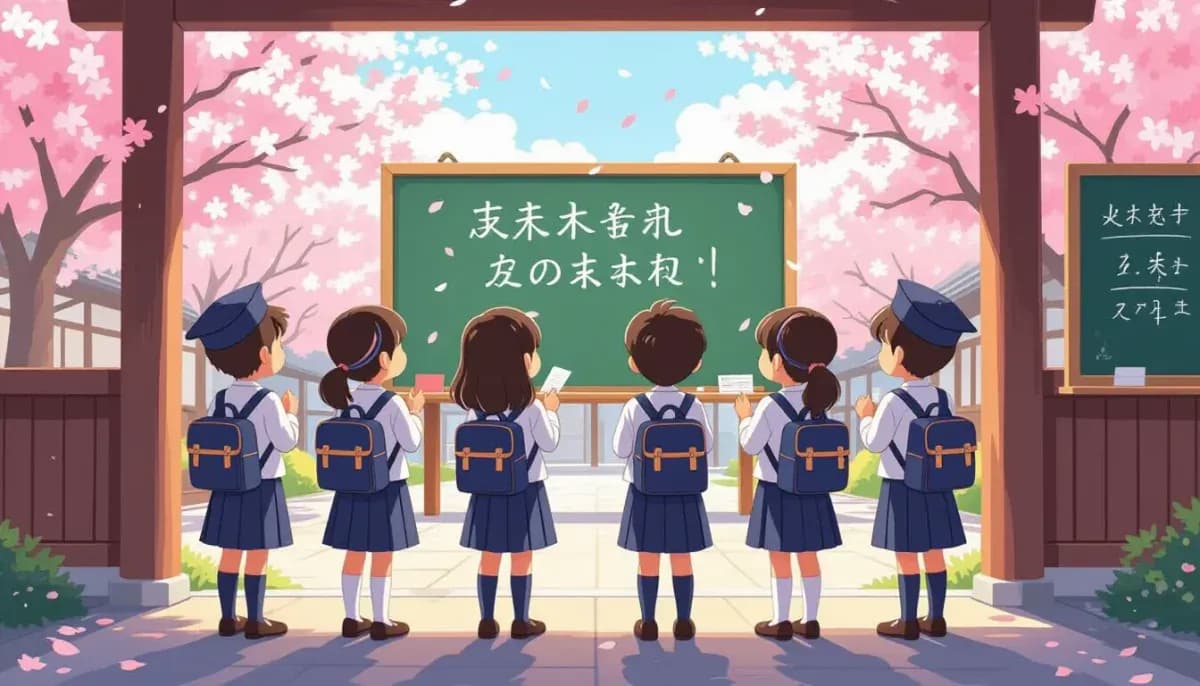
Everything expat parents need to know about school photo day traditions in Japan — from the entrance ceremony shot to graduation albums (sotsugyou arubamu), shashin hanbai ordering systems, yosegaki, and purikura culture.
Read more →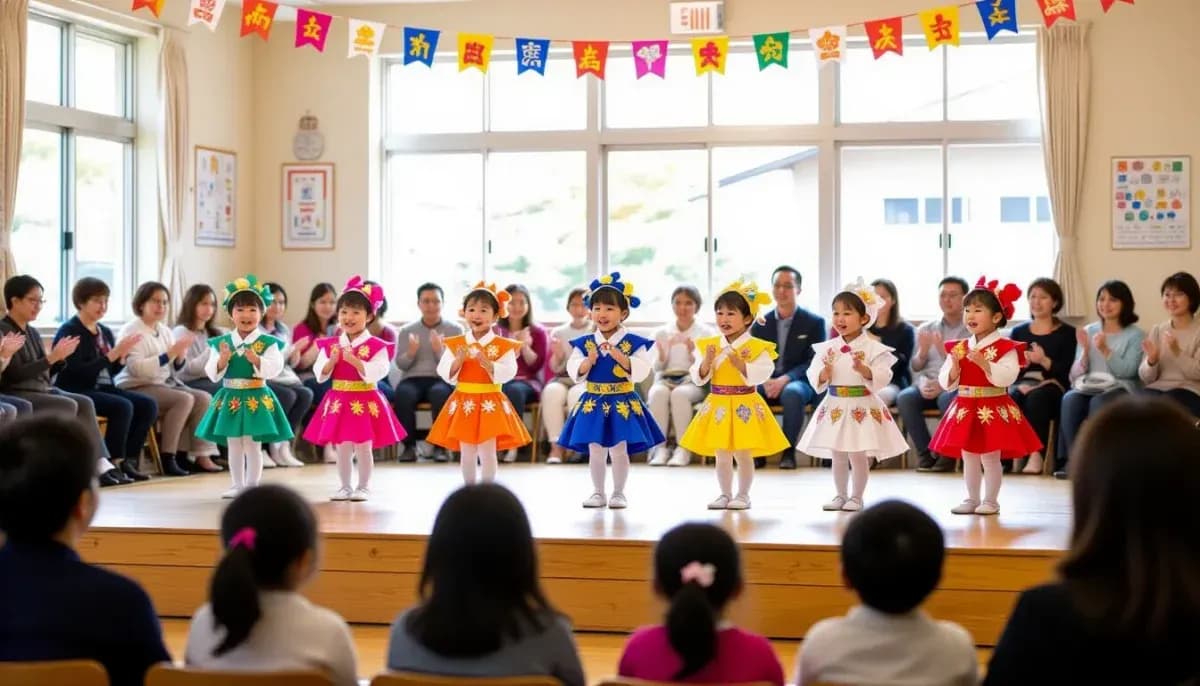
Everything foreign parents need to know about preschool recitals and performance events in Japan — happyokai, undoukai, sotsuenshiki, and more. Practical tips for expat families.
Read more →
Everything foreign families need to know about buying a randoseru in Japan — prices, materials, colors, brands, and when to shop. Practical tips for expat parents.
Read more →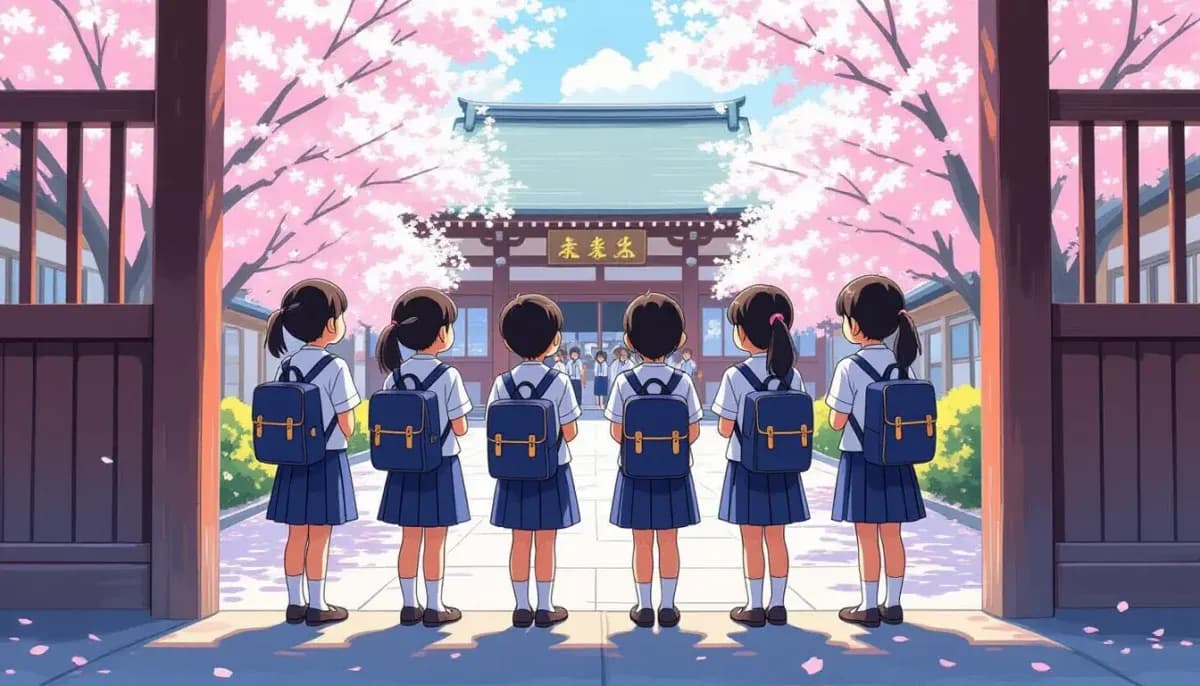
Everything foreign parents need to know about Japan's first day of school: the nyuugakushiki entrance ceremony, randoseru, dress codes, indoor shoes, and daily school customs.
Read more →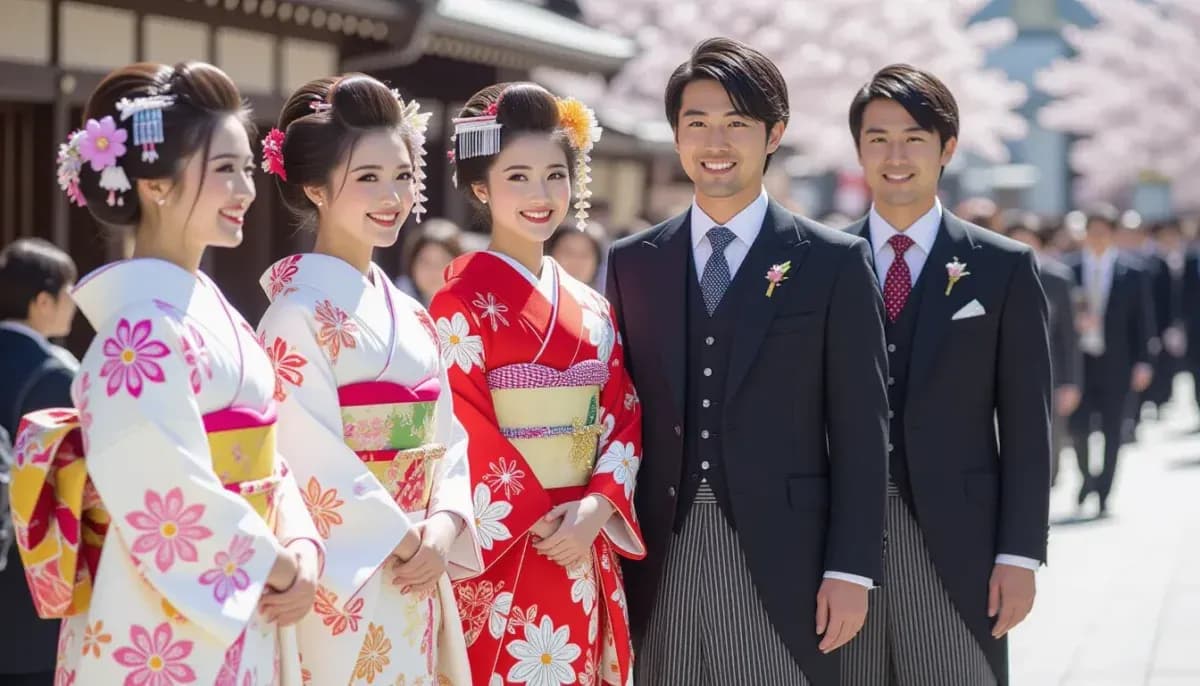
Learn everything about Japan's Coming of Age Day (Seijin no Hi): its history from ancient genpuku ceremonies, the modern seijin-shiki celebration, legal age changes, furisode kimono, and what it means for foreign families in Japan.
Read more →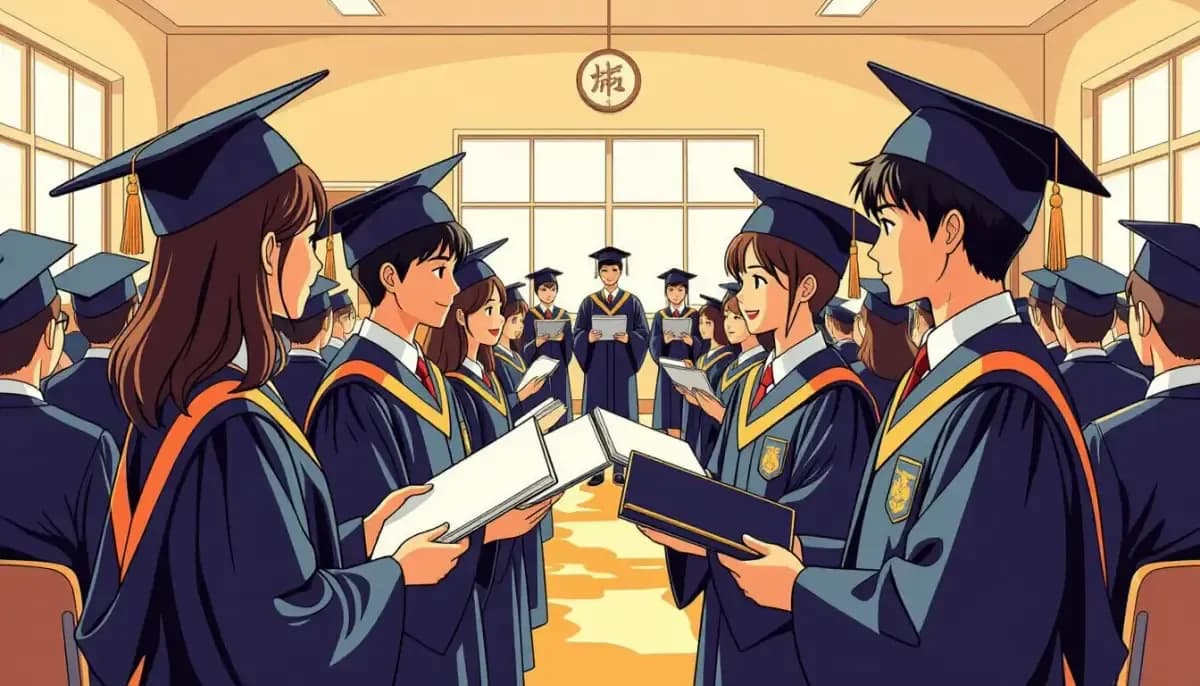
Everything foreign parents need to know about Japanese graduation ceremonies (sotsugyoshiki): dress code, traditions, schedule, and tips for navigating this emotional milestone.
Read more →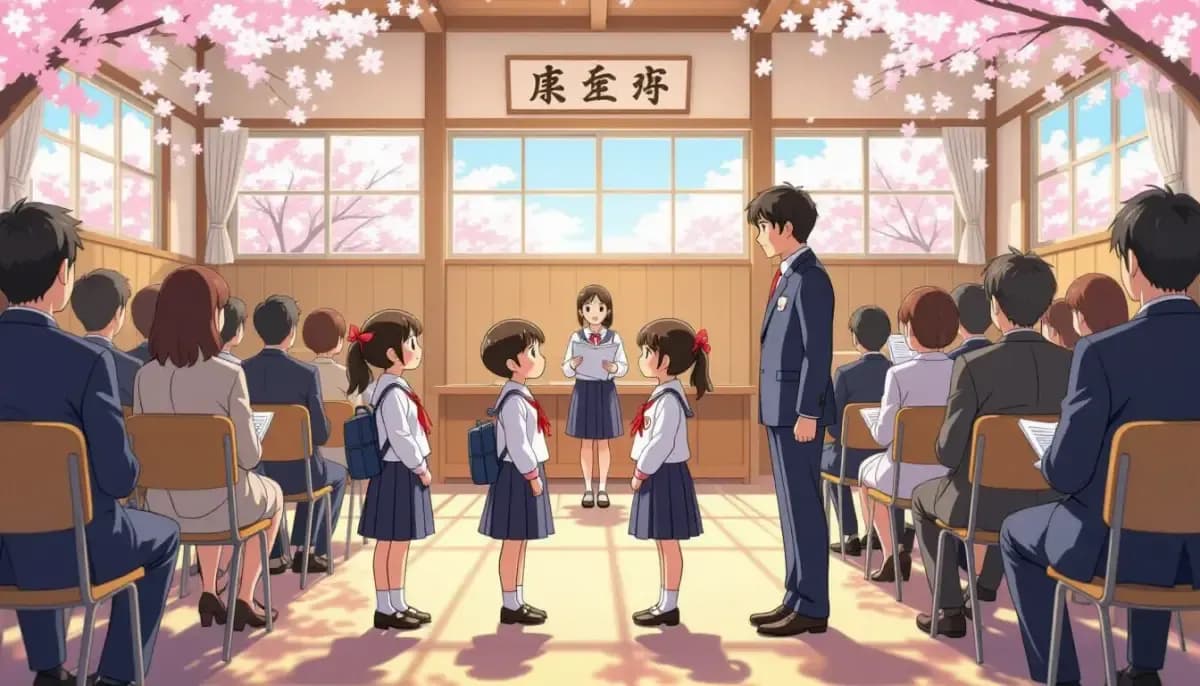
Complete guide to Japan's school entrance ceremony (nyuugakushiki) for foreign families. Learn what to wear, what to bring, the ceremony schedule, and how to prepare your child for this important Japanese tradition.
Read more →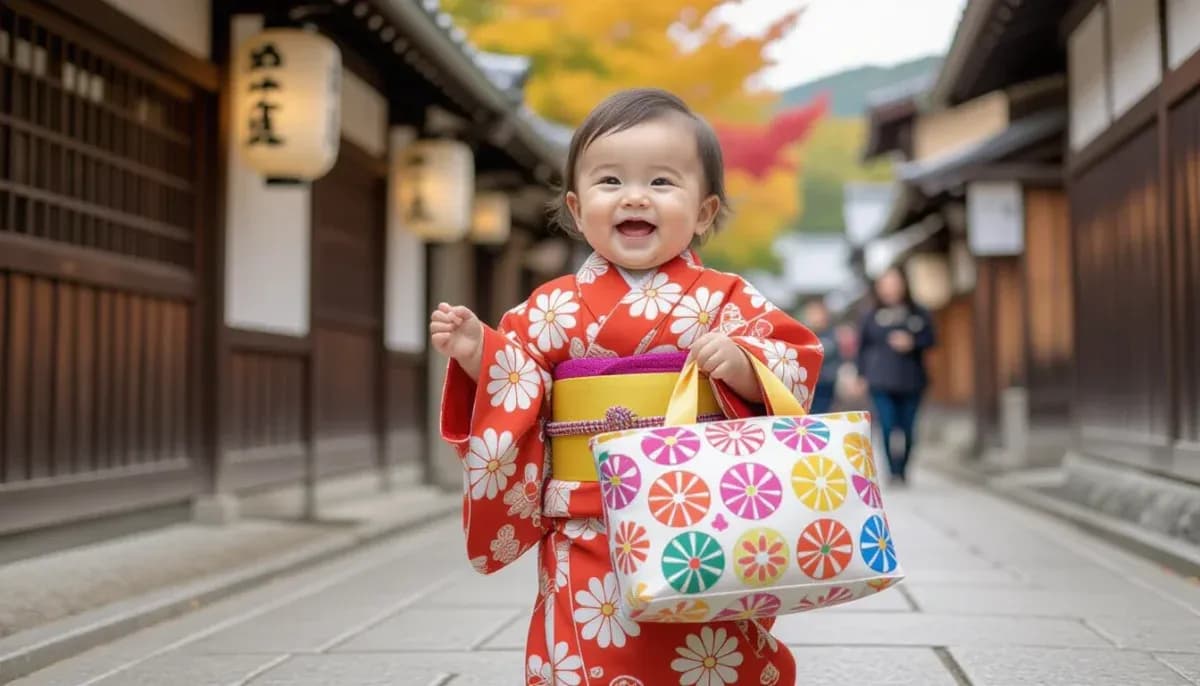
Learn how to celebrate your baby's first birthday in Japan with the isshou mochi ceremony, erabitori fortune-telling, and tips for blending Japanese and Western traditions.
Read more →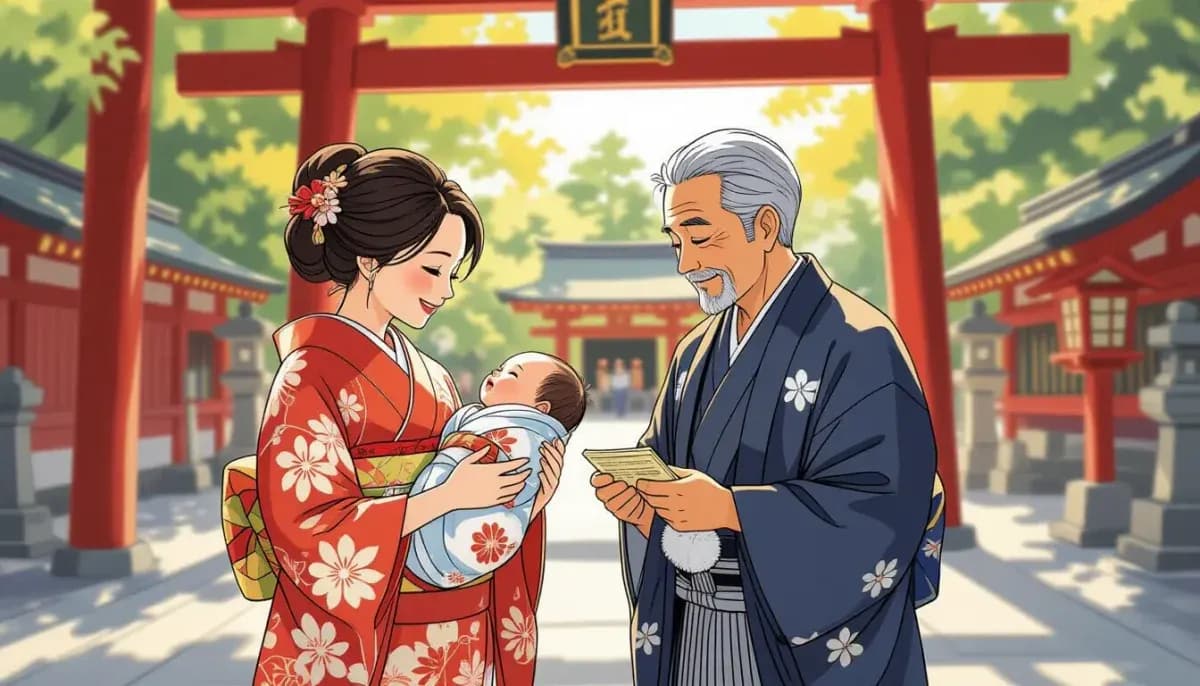
Complete guide to omiyamairi for foreigners in Japan: when to go, what to wear, how much it costs, what to expect at the shrine, and tips for expat families welcoming a new baby.
Read more →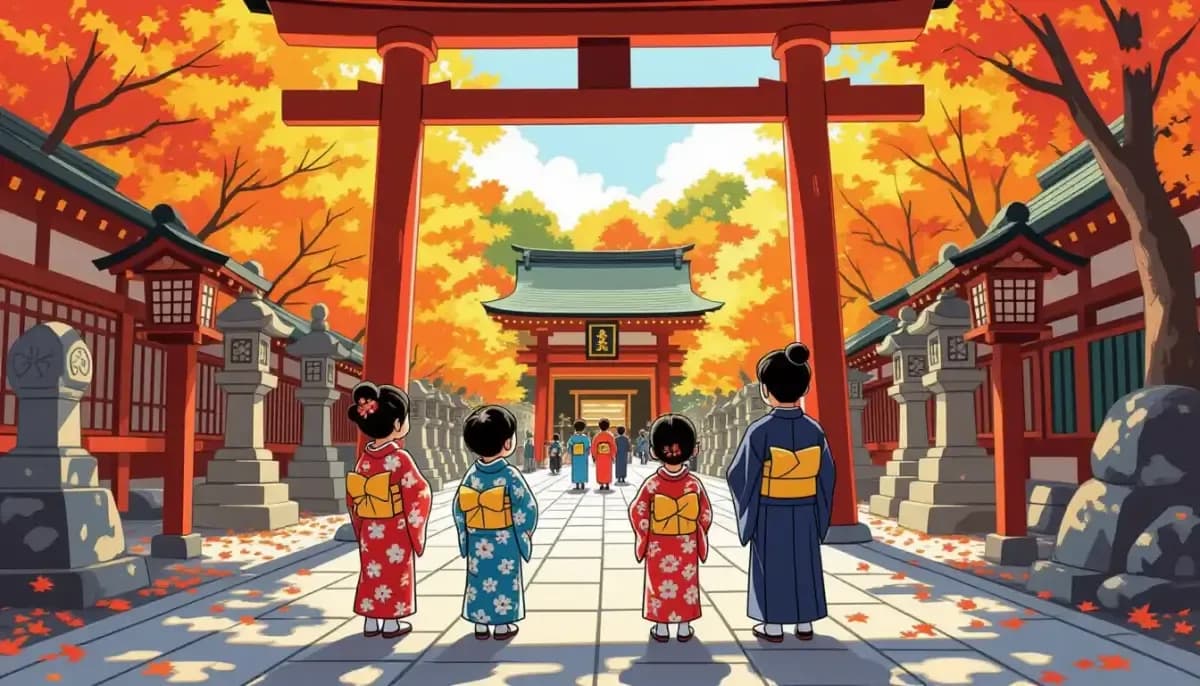
Complete guide to Shichi-Go-San for foreign parents in Japan. Learn the history, shrine ceremony steps, kimono costs, photography tips, and how non-Japanese families can fully participate in this beautiful tradition.
Read more →