
School Photo Day and Memory Traditions in Japan

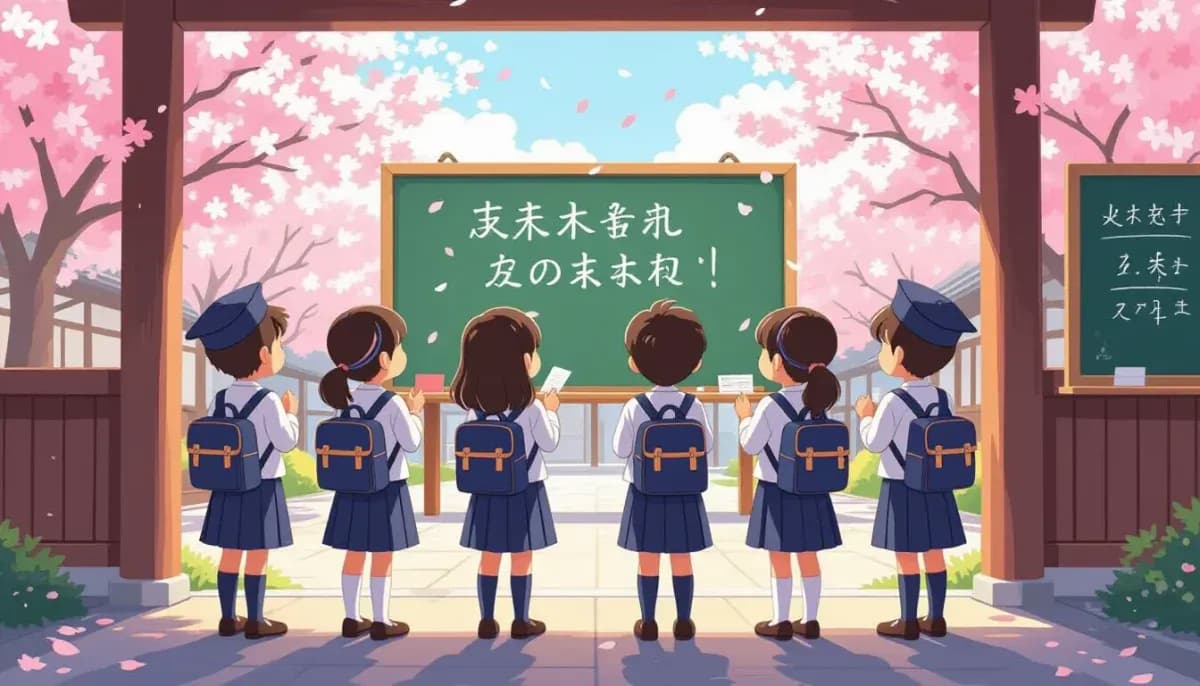
Everything expat parents need to know about school photo day traditions in Japan — from the entrance ceremony shot to graduation albums (sotsugyou arubamu), shashin hanbai ordering systems, yosegaki, and purikura culture.
School Photo Day and Memory Traditions in Japan: A Complete Guide for Expat Parents
If you have children enrolled in a Japanese school, you will quickly discover that photo culture runs deep. From the iconic entrance ceremony snapshot with a brand-new randoseru under cherry blossoms to the carefully curated graduation album filled with handwritten farewell messages, Japan has developed a rich and layered set of traditions around school photography. For foreign parents navigating these customs for the first time, it can feel overwhelming — but once you understand the system, it becomes one of the most meaningful parts of the Japanese school experience.
This guide explains everything you need to know about school photo days, photo ordering systems, graduation albums, and the informal memory traditions that make Japanese school life so distinctive.
The Entrance Ceremony Photo: Japan's Most Iconic School Milestone
The single most important school photo in Japan is taken on the very first day: the entrance ceremony (入学式, nyuugakushiki), held in early April when cherry blossoms are at their peak. On this day, children typically wear formal clothing — a smart suit or blazer, or a dress — and carry their new randoseru (the structured school backpack iconic to Japanese elementary life). The classic shot is taken in front of the school gate or under a canopy of cherry blossom trees.
What makes this tradition particularly special is the bookend custom. Many families return to the exact same spot six years later, on graduation day, and recreate the photo with the same pose. The contrast between the small child swimming in an oversized randoseru and the confident graduate wearing it for the last time is one of the most emotionally resonant images in Japanese family life.
As an expat parent, you should plan for this photo carefully:
- Dress your child in smart, formal clothes (avoid casual jeans and t-shirts)
- Arrive early at the school gate before the ceremony
- Bring a camera or ensure your smartphone is charged and ready
- Mark the exact location so you can find it again six years later
For guidance on navigating the entrance ceremony itself, see our guide to Elementary School in Japan: A Complete Guide for Foreign Parents.
How the School Photo Ordering System Works (写真販売 / Shashin Hanbai)
Once your child is enrolled, you will receive school event photos through a system called 写真販売 (shashin hanbai — literally "photo sales"). This is Japan's nationwide professional school photography system, and it has undergone a major digital transformation in recent years.
The old system: A professional photographer would cover school events (sports day, field trips, graduation rehearsals, etc.), print all photos, and display them physically on a school bulletin board. Parents would come in, browse the prints, fill out paper order forms, and pay in cash. Teachers managed the display, collection, and distribution — an enormous administrative burden.
The modern system: Most schools now use internet-based platforms. A professional photographer covers events and uploads all photos to a secure platform. You receive a printed flyer from school containing a unique 12-digit access code. You visit the platform website or app, enter the code, browse all photos, and place your order. Delivery arrives either directly to your home or in bulk to the school.
Popular platforms include SnapSnap (スナップスナップ), which has the highest market adoption among Japanese schools, and Fujifilm School Photo. Payment options include credit card, convenience store payment (コンビニ払い), cash on delivery, and carrier billing.
Tips for expat parents:
- Watch for the photo order flyer in your child's school bag — it looks like a regular letter but contains the access code
- The ordering window is typically 2-4 weeks; after that, photos may no longer be available
- Photos are ordered individually, so you only pay for the ones you want
- If the platform is Japanese-only, Google Translate's camera function can help you navigate it
| Feature | Old System (Bulletin Board) | New System (Online Platform) |
|---|---|---|
| Viewing method | Physical display at school | Website/app with access code |
| Ordering | Paper form, cash only | Online, multiple payment options |
| Delivery | Bulk to school | Home delivery or school pickup |
| Window to order | 1-2 weeks display period | 2-4 weeks online window |
| Convenience | Must visit school | Order any time, anywhere |
| Language support | Japanese only | Sometimes has English option |
The Graduation Album (卒業アルバム / Sotsugyou Arubamu)
At the end of every school level — elementary, junior high, high school, and university — students receive a 卒業アルバム (sotsugyou arubamu), the graduation album. This is not a yearbook in the Western sense: it is specifically tied to graduation and is produced professionally by a school photography company contracted by the school.
A typical sotsugyou arubamu contains:
- Individual portraits of every student in the graduating class
- Class group photos taken in multiple configurations (by homeroom, by club, by sports team)
- Candid event photos from major events throughout the school year (sports day, cultural festival, field trips, graduation ceremony rehearsals)
- Teacher portraits
- Blank pages for yosegaki — the handwritten farewell message tradition described below
The album is professionally bound, typically A4 or larger in size, and printed on high-quality paper. Schools announce the order deadline well in advance (often at the start of the final school year), and the cost is included in school fees or collected separately.
For more background on Japanese school culture and events, Living in Nihon is an excellent resource for expats settling into daily life in Japan.
The Yosegaki Tradition: Handwritten Farewell Messages
One of the most touching elements of Japanese school graduation is 寄せ書き (yosegaki) — the tradition of handwriting personal messages to a departing person. In the school context, classmates, teachers, and often younger students fill the blank pages of the sotsugyou arubamu or a separate card with farewell messages, drawings, and well-wishes.
For foreign children, contributing to and receiving yosegaki can be a profound cross-cultural moment. The messages are typically warm and personal — recalling shared memories, expressing hopes for the future, and celebrating friendship. For parents, watching a child fill their album with messages from Japanese friends is often a sign that genuine bonds have formed.
If your child is leaving a school mid-year rather than at graduation, it is completely appropriate to ask the class teacher to organize a simplified yosegaki on a large card or shikishi (a square decorative board). This is a familiar format for Japanese teachers.
If you are supporting your child in learning Japanese for school communication, see our resource on Teaching Japanese to Foreign Children: Methods and Resources.
Graduation Day Photo Traditions: Dress Codes and Chalkboard Shots
Graduation day (卒業式, sotsugyoushiki) is one of the most photographed days in a Japanese child's life. The ceremony itself is formal and moving, but the real photo opportunities happen before and after.
Graduation dress codes and photography:
- Girls increasingly wear kimono paired with 袴 (hakama, a formal divided or pleated skirt), typically rented from a specialty kimono shop for the day. This look is considered both formal and distinctively Japanese, and it photographs beautifully.
- Boys typically wear blazers with shirts and ties. Some schools have formal uniforms that are worn for the ceremony.
- Both boys and girls often have their photos taken in full graduation dress before the ceremony starts, either at home or in front of the school gate.
The chalkboard photo tradition: One of the most beloved informal graduation photo traditions is the 黒板アート (kokuban aato — chalkboard art) group photo. Before leaving their classroom for the last time, students gather as a homeroom group while someone writes elaborate farewell messages, graduation year, class name, or decorative art on the blackboard. The entire class then poses in front of it for a group photo that captures both the people and the space.
This is entirely student-initiated — teachers often step back to let students organize it — and the results range from simple text to elaborate chalk drawings. For expat parents, it is worth asking your child's teacher if you can briefly enter the classroom to witness this moment.
For details on the graduation ceremony itself and what to expect as a foreign family, For Work in Japan has useful context on navigating formal Japanese institutional events.
Purikura: Japan's Informal School Memory Tradition
No guide to Japanese school photo culture would be complete without discussing プリクラ (purikura — short for "Print Club"), the beloved photo booth phenomenon that has been central to school friendship culture since the 1990s.
Purikura booths, found in game centers (ゲーセン) and shopping malls across Japan, let groups of friends take photos together and then customize them with frames, text, stamps, and kawaii decorations before printing them as sticker sheets. Students trade these sticker photos like trading cards, stick them in dedicated sticker albums, and exchange them as friendship tokens.
By 1997, approximately 80% of all students and 90% of female high school students in Japan had collected or traded purikura stickers. While the technology has evolved dramatically — modern purikura booths offer extensive digital customization and smartphone sharing — the social tradition remains strong, especially among middle and high school girls.
For foreign children, discovering purikura with their Japanese classmates is often a highlight of their Japan experience. It is inexpensive (typically ¥400-800 for a booth session shared among 2-4 people), requires no special preparation, and produces a tangible keepsake that kids genuinely treasure.
For more on the cultural context of raising children in Japan's unique social environment, see our guide to Cultural Identity for Hafu and Mixed-Race Children in Japan.
Photography Consent and Privacy Rules in Japanese Schools
One aspect of Japanese school photo culture that can surprise foreign parents is how seriously consent and privacy are taken. Japan requires parental consent before photos of minors can be published or distributed. Schools typically issue consent forms at enrollment covering official school photography (shashin hanbai, yearbook, ceremony coverage).
This means:
- You may be asked to sign a consent form for your child's photos to appear in school publications or the graduation album
- Parents are generally not permitted to photograph other children at school events without consent
- Some schools have strict rules about photographing the entrance ceremony or graduation — listen for instructions from teachers
A 2023 Japanese law created standardized penalties of up to 3 years in prison for nonconsensual photography, reflecting a broader social conversation about privacy and cameras in schools.
As a practical matter: if you are unsure whether you can photograph something at a school event, ask the homeroom teacher beforehand. Japanese teachers are generally happy to clarify the rules and appreciate parents who ask rather than assume.
For comprehensive guidance on navigating Japanese school life as a foreign parent, Chuukou Benkyou covers junior high and high school preparation topics relevant to expat families.
Tips for Expat Parents: Making the Most of Japanese School Photo Traditions
| Tradition | When It Happens | Expat Parent Tip |
|---|---|---|
| Nyuugakushiki photo | April, first day of school | Plan outfit in advance; mark photo spot for repeat |
| Shashin hanbai ordering | After each school event | Watch for access code flyer in child's bag |
| Club/team group photos | Annually | Ask homeroom teacher for schedule |
| Sotsugyou arubamu | End of school level (March) | Order deadline announced well in advance |
| Yosegaki | Graduation day | Prepare child to write Japanese messages to friends |
| Kokuban (chalkboard) photo | Graduation day morning | Ask teacher if parents can briefly attend |
| Sotsugyoushiki dress | March graduation ceremony | Book hakama rental 3+ months in advance |
| Purikura | Anytime, game centers | Budget ¥400-800 per session |
The most important thing for expat parents is to stay engaged with school communications. Many photo-related deadlines and traditions are announced through printed flyers sent home in the school bag, so checking your child's bag daily is essential. If your Japanese language skills are still developing, a parent-teacher relationship with your child's homeroom teacher (担任, tannin) is invaluable — they will often give you a personal heads-up about upcoming photo opportunities.
For a broader foundation in navigating the Japanese school system, we recommend starting with our Complete Guide to the Japanese Education System for Foreign Families.
School photo culture in Japan is far more than an administrative exercise. From the first day of school in a too-big randoseru to the final handwritten message in a graduation album, these traditions mark the passage of time and the depth of friendships formed. For foreign families in Japan, participating fully in these traditions — even imperfectly — is one of the most meaningful ways to connect with Japanese school life and give your child memories that will last a lifetime.
For additional reading on how online photo ordering systems work at Japanese schools, Charlie Press has a detailed breakdown of the major platforms. For context on graduation and entrance ceremony customs compared to overseas experiences, Japaniche offers a thoughtful cross-cultural perspective.

Originally from Vietnam, living in Japan for 16+ years. Graduated from Nagoya University, with 11 years of professional experience at Japanese and international companies. Sharing practical information for foreign parents raising children in Japan.
View Profile →Related Articles

Creating Family Traditions That Blend Both Cultures
Discover practical strategies for multicultural families in Japan to blend two cultures through intentional traditions, bilingual rituals, and bicultural identity-building for children.
Read more →
How to Mark Milestones Across Two Cultures
A complete guide for bicultural and expat families in Japan on how to celebrate childhood milestones across two cultures — from Shichi-Go-San to birthday traditions, with practical tips for blending both worlds.
Read more →
Half Coming of Age (Nibun no Ichi Seijinshiki)
Everything foreign parents need to know about the Nibun no Ichi Seijinshiki - Japan's Half Coming of Age Ceremony for 10-year-olds. What it is, what happens, and how to participate.
Read more →
Preschool Recitals and Performance Events
Everything foreign parents need to know about preschool recitals and performance events in Japan — happyokai, undoukai, sotsuenshiki, and more. Practical tips for expat families.
Read more →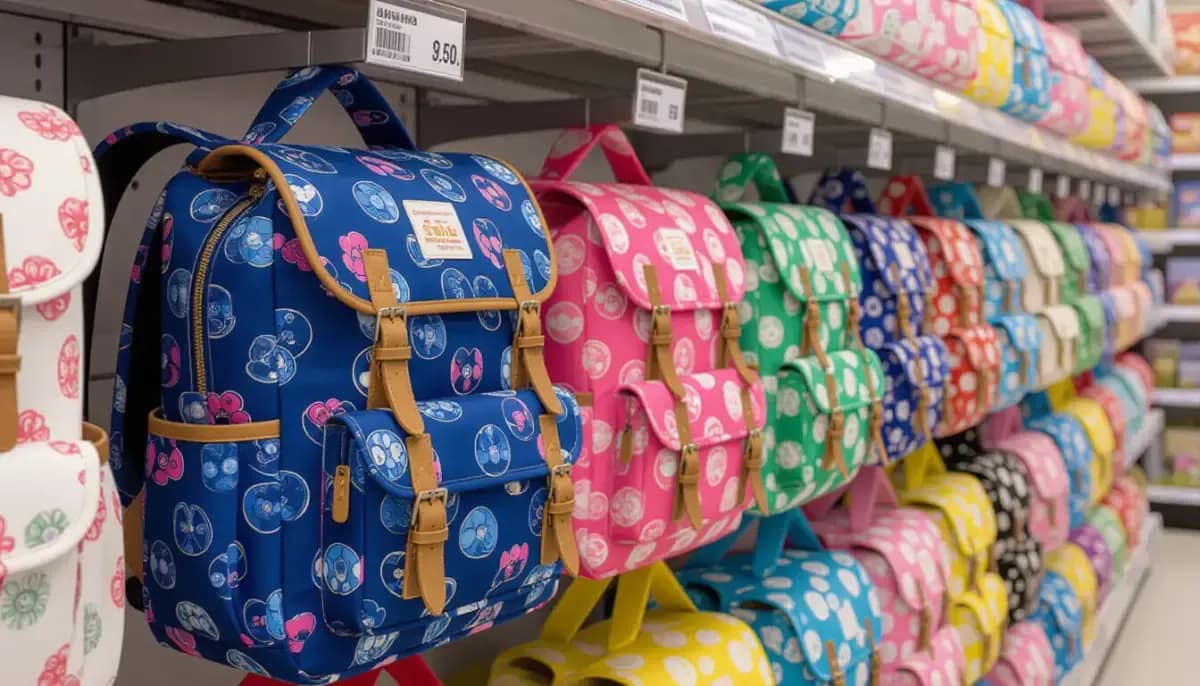
Randoseru Buying: Choosing Your Child's School Bag
Everything foreign families need to know about buying a randoseru in Japan — prices, materials, colors, brands, and when to shop. Practical tips for expat parents.
Read more →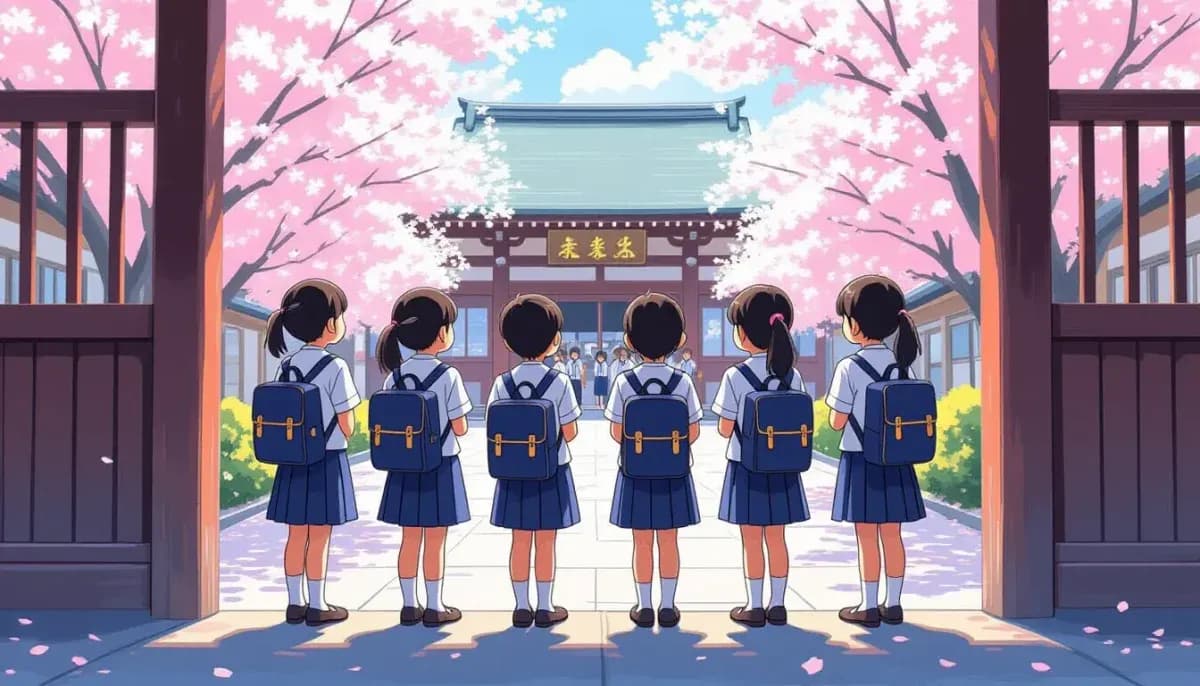
First Day of School Traditions and Customs in Japan
Everything foreign parents need to know about Japan's first day of school: the nyuugakushiki entrance ceremony, randoseru, dress codes, indoor shoes, and daily school customs.
Read more →