
Half Coming of Age (Nibun no Ichi Seijinshiki)

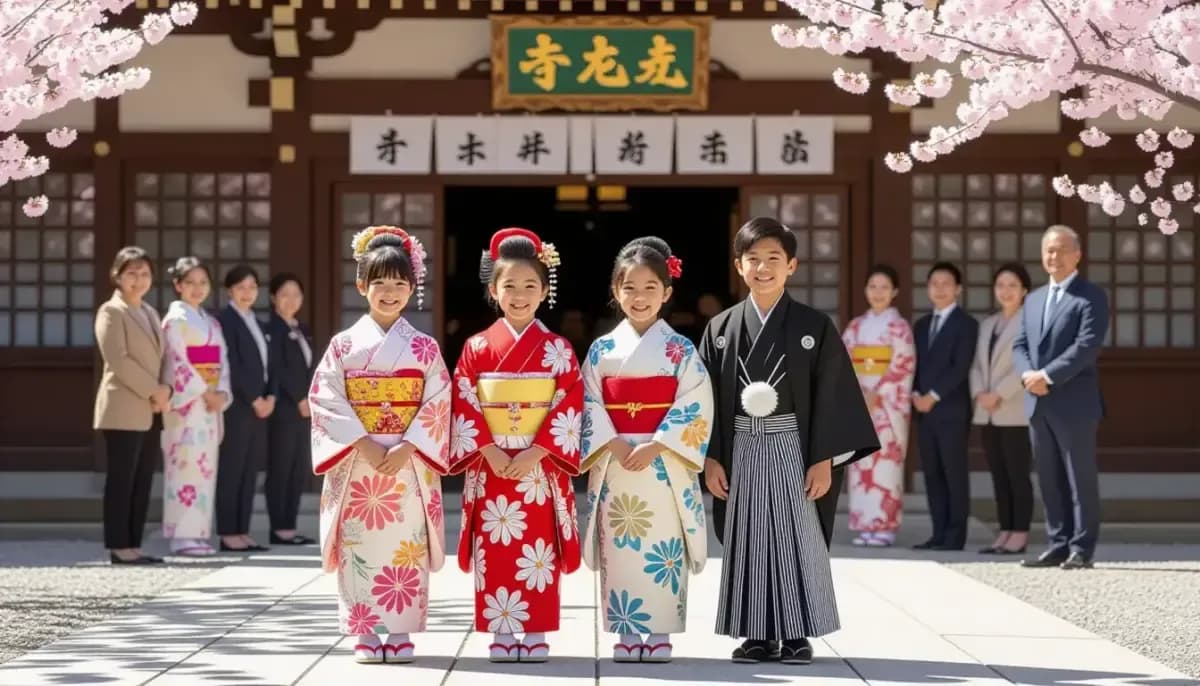
Everything foreign parents need to know about the Nibun no Ichi Seijinshiki - Japan's Half Coming of Age Ceremony for 10-year-olds. What it is, what happens, and how to participate.
Half Coming of Age (Nibun no Ichi Seijinshiki): A Guide for Foreign Parents in Japan
If your child is in 4th grade at a Japanese elementary school, you may soon receive notice of an upcoming ceremony: the Nibun no Ichi Seijinshiki (二分の一成人式), or "Half Coming of Age Ceremony." For many foreign parents, this celebration comes as a surprise — not quite as famous as Shichi-Go-San but increasingly common across Japan. This guide explains everything you need to know: what the ceremony is, how it works, what to expect, and how your family can participate and make the most of this meaningful milestone.
What Is the Nibun no Ichi Seijinshiki?
The Nibun no Ichi Seijinshiki (二分の一成人式), which literally translates to "Half Coming of Age Ceremony," is a school-organized celebration for children who turn 10 years old — exactly half of Japan's traditional coming-of-age age of 20. The ceremony is held as part of Japan's school year activities, usually during the third term (January to March), and is typically organized by the elementary school rather than by local government.
The event is relatively modern compared to Japan's centuries-old traditions. It emerged in the late 20th century and gained widespread popularity throughout the 2000s and 2010s. By 2008, more than half of all elementary schools in Tokyo were holding the ceremony, and participation has continued to grow nationwide.
The spirit of the ceremony is one of gratitude and reflection. Children express thanks to their parents for raising them through their first decade of life, share their dreams for the future, and are formally recognized by teachers and school staff as having reached the midpoint of childhood. For many Japanese families — and increasingly for foreign families raising children in Japan — it is a deeply touching event.
For context on Japan's broader school ceremonies and events, see our guide to the Japanese Academic Year Calendar.
How the Half Coming of Age Ceremony Works
The Nibun no Ichi Seijinshiki is primarily a school event, which distinguishes it from the official government-organized Adult Day ceremony (Seijin no Hi) held for 20-year-olds each January. Here is how the ceremony typically unfolds:
Before the Day
In the weeks leading up to the ceremony, students prepare in class. Common activities include:
- Writing letters to their parents — often the emotional centerpiece of the ceremony
- Speeches and presentations about their dreams for the next 10 years
- Rehearsals for group performances (songs, skits, readings)
- Decorating the classroom or gymnasium with artwork and banners
Schools often ask parents to contribute as well — writing a reply letter to their child or submitting a favorite photo from when the child was a baby. These elements are incorporated into the ceremony itself.
The Day of the Ceremony
The ceremony is held at the school — usually in the gymnasium or a large classroom. Parents are invited to attend, and it typically lasts one to two hours. A typical program includes:
- Opening remarks by the class teacher or principal
- Student group performances (songs, speeches, or skits)
- Children reading personal statements about their dreams
- Reading of parent letters (or children reading their letters to parents aloud)
- Commemorative photos — individual and group
- Closing remarks
The atmosphere is warm and often emotionally moving. Do not be surprised if both parents and teachers shed tears. It is considered perfectly natural and is part of what makes the ceremony so memorable.
To understand more about what goes on at Japanese elementary schools day-to-day, read our overview of the Japanese Elementary School Daily Schedule.
The Significance for Foreign Families
For foreign families, the Nibun no Ichi Seijinshiki carries additional layers of meaning. Raising a child in Japan as an expat or foreign resident means navigating two cultures simultaneously. This ceremony is an opportunity to celebrate not just your child's first decade, but also their journey of growing up in Japan — perhaps becoming bilingual, making Japanese friends, and developing a deep connection to a culture that may not have been their parents' own.
Children with international backgrounds — sometimes called hafu in Japan — can find this ceremony especially meaningful as a moment to reflect on their unique identity and the dual worlds they inhabit.
The ceremony also gives foreign parents a window into the Japanese educational philosophy: the emphasis on gratitude, group harmony, and the parent-child bond. Understanding these values helps foreign parents engage more fully with Japanese parenting philosophy and their child's school community.
What to Wear and Bring
Unlike the adult Seijinshiki — where young women typically wear expensive furisode kimono — the Nibun no Ichi Seijinshiki has no strict dress code for children. Most schools allow children to attend in their regular school uniform. However, some schools do organize commemorative photo sessions where children may dress in formal or semi-formal attire.
| Item | Details |
|---|---|
| Children's attire | School uniform (most common); formal clothes sometimes for photos |
| Parent attire | Smart casual or formal wear; kimono optional but not required |
| Camera/video | Strongly recommended — parents typically photograph freely |
| Tissues | Highly recommended — the ceremony is emotional |
| Gift for child | Optional; some parents give a small gift or keepsake |
| Parent letter | Many schools request a written letter from parents in advance |
If a commemorative photo shoot is organized, schools or external studios may offer packages with children dressed in miniature versions of traditional Japanese formal wear, including mini-furisode for girls or hakama for boys. These packages can range from ¥5,000 to ¥30,000 depending on the studio and inclusions.
The Connection to Traditional Seijinshiki (Coming of Age Day)
To appreciate the Nibun no Ichi Seijinshiki, it helps to understand the full Coming of Age tradition it is rooted in. Japan's Seijin no Hi (成人の日, Coming of Age Day) is a national public holiday celebrated on the second Monday of January each year. It honors young people who have turned (or will turn) 20 during that school year.
The tradition has ancient roots, tracing back to Japan's Nara period (710–794 AD), when ceremonies called Genpuku (for boys) and Mogi (for girls) marked the transition to adulthood. The modern holiday was established in 1948, inspired by a youth festival organized in 1946 in Warabi, Saitama, to give hope to young people in the aftermath of WWII.
In April 2022, Japan lowered its legal age of adulthood from 20 to 18. However, most municipalities continue to hold the Seijinshiki for those turning 20, partly to avoid overlap with high school graduation season and university entrance exams, and partly because age restrictions on alcohol, smoking, and gambling remain at 20.
For a complete overview of Japanese holidays your family will experience, see our Japanese National Holidays Family Guide.
Can Foreign Children and Families Participate?
Yes — the Nibun no Ichi Seijinshiki is open to all students enrolled in the Japanese elementary school, regardless of nationality. If your child attends a Japanese public elementary school (shogakko), they will participate in the same ceremony as their Japanese classmates.
Here are some practical tips for foreign families:
- Communication: School notices may be in Japanese only. Ask a bilingual friend or use a translation app to understand the details of what parents are asked to prepare.
- Parent letter: If asked to write a letter to your child, you may write in English — but check with the teacher whether they would like a Japanese translation to be read aloud.
- Emotional preparation: The ceremony can be unexpectedly moving even for parents who did not grow up in Japan. Many foreign parents report being deeply touched.
- Photography: Japan's school events typically allow parents to photograph freely. Bring a good camera.
- After the ceremony: Consider marking the occasion with a family dinner or special outing.
For more advice on supporting your child's experience in Japanese school, read our guide on helping foreign children make friends in Japan.
Comparing the Nibun no Ichi Seijinshiki and Full Seijinshiki
| Feature | Nibun no Ichi Seijinshiki (Age 10) | Seijinshiki (Age 20) |
|---|---|---|
| Age | 10 years old | 20 years old (some 18) |
| Organizer | Elementary school | Local municipal government |
| Venue | School gymnasium or classroom | Municipal hall, arena, or theater |
| Attire | School uniform or smart casual | Furisode kimono (women), hakama or suit (men) |
| Duration | 1–2 hours | Under 1 hour (official); all-day celebrations follow |
| Cost | Low (school-organized); photos optional | High (kimono rental: ¥50,000–¥200,000+) |
| Participation | All students in the grade | Those turning 20 that year |
| Emotional focus | Gratitude to parents | Independence, adulthood |
| Foreign participation | Automatic (if enrolled) | Check with city hall |
What Happens After the Ceremony?
After the school ceremony ends, many families celebrate privately. Common ways to mark the occasion include:
- Family dinner at a favorite restaurant
- Commemorative photo shoot at a professional studio, sometimes in traditional dress
- A special gift — a book about their future dreams, a keepsake, or a savings account contribution
- A letter exchange — some families make it a tradition to write letters that will be opened at 20
There is no fixed cultural expectation for what happens after the school ceremony, which gives foreign families freedom to create their own meaningful traditions around this milestone.
For ideas on activities and events your family can enjoy in Japan, explore our guide to Japanese National Holidays: A Family Guide.
Additional Resources for Foreign Families in Japan
For more information about navigating life in Japan as a foreign family, the following resources are highly recommended:
- Living in Nihon — Practical guides for expats living and raising families in Japan
- For Work in Japan — Resources for foreign workers and families settling in Japan
- Chuukou Benkyou — Educational resources for Japanese school life and exam preparation
- Kanpai Japan – Seijin no Hi Guide — Detailed overview of Japan's Coming of Age Day traditions
- Nippon.com – Seijinshiki Feature — In-depth look at the ceremony's history and significance
- Flip Japan Guide – Coming of Age Day — Accessible guide for foreigners observing the tradition
Conclusion
The Nibun no Ichi Seijinshiki is one of Japan's most heartfelt school ceremonies — a celebration of childhood, gratitude, and the halfway point of the journey to adulthood. For foreign families, it is both a window into Japanese culture and a genuine milestone worth marking with care.
Whether your child was born in Japan or arrived as an expat, turning 10 in this country surrounded by classmates, teachers, and family is a moment to cherish. Embrace it, bring tissues, take photos, and celebrate the remarkable first decade of your child's life — in Japan and beyond.
For more guides on raising children in Japan, explore our Complete Guide to the Japanese Education System and other articles on this blog.

Originally from Vietnam, living in Japan for 16+ years. Graduated from Nagoya University, with 11 years of professional experience at Japanese and international companies. Sharing practical information for foreign parents raising children in Japan.
View Profile →Related Articles

Creating Family Traditions That Blend Both Cultures
Discover practical strategies for multicultural families in Japan to blend two cultures through intentional traditions, bilingual rituals, and bicultural identity-building for children.
Read more →
How to Mark Milestones Across Two Cultures
A complete guide for bicultural and expat families in Japan on how to celebrate childhood milestones across two cultures — from Shichi-Go-San to birthday traditions, with practical tips for blending both worlds.
Read more →
School Photo Day and Memory Traditions in Japan
Everything expat parents need to know about school photo day traditions in Japan — from the entrance ceremony shot to graduation albums (sotsugyou arubamu), shashin hanbai ordering systems, yosegaki, and purikura culture.
Read more →
Preschool Recitals and Performance Events
Everything foreign parents need to know about preschool recitals and performance events in Japan — happyokai, undoukai, sotsuenshiki, and more. Practical tips for expat families.
Read more →
Randoseru Buying: Choosing Your Child's School Bag
Everything foreign families need to know about buying a randoseru in Japan — prices, materials, colors, brands, and when to shop. Practical tips for expat parents.
Read more →
First Day of School Traditions and Customs in Japan
Everything foreign parents need to know about Japan's first day of school: the nyuugakushiki entrance ceremony, randoseru, dress codes, indoor shoes, and daily school customs.
Read more →