
Shichi-Go-San Celebration Guide for Foreign Parents

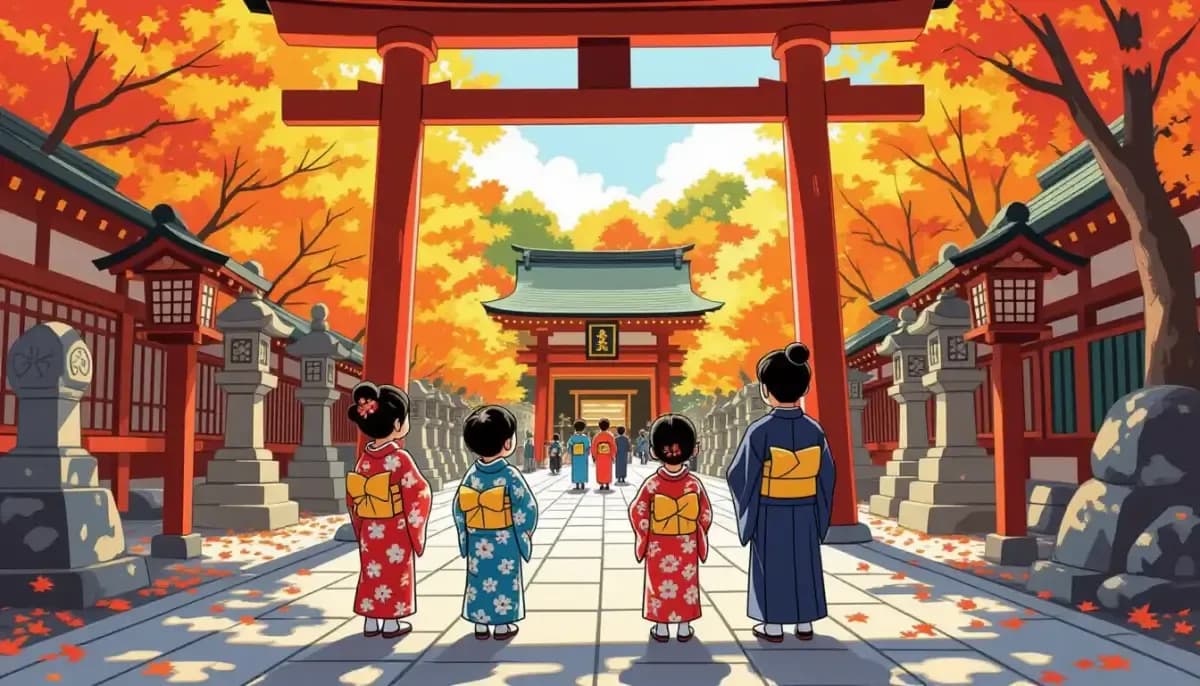
Complete guide to Shichi-Go-San for foreign parents in Japan. Learn the history, shrine ceremony steps, kimono costs, photography tips, and how non-Japanese families can fully participate in this beautiful tradition.
Shichi-Go-San Celebration Guide for Foreign Parents in Japan
If you have children in Japan, November brings one of the most visually stunning and emotionally meaningful traditions you'll encounter: Shichi-Go-San (七五三). Shrines fill with children dressed in vibrant kimono and hakama, parents clutching cameras, and the sweet scent of chitose ame candy in decorative bags. As a foreign parent, you might wonder whether this celebration is "for you" — the answer is an emphatic yes. This guide walks you through everything you need to know to participate with confidence, from understanding the tradition's deep roots to practical tips on costs, shrine etiquette, and dressing your child.
What Is Shichi-Go-San? History and Meaning
Shichi-Go-San literally translates to "Seven-Five-Three" (七五三), which reflects the ages of the children celebrated: girls at ages 3 and 7, and boys at ages 3 and 5. The formal date is November 15th, though most families visit shrines anytime from October through November to avoid peak crowds.
The tradition has roots stretching back to the Heian period (794–1185), when it was practiced by the Imperial court and nobility as a way to give thanks for children's survival. In an era before modern medicine, infant mortality was tragically high — families sometimes waited until a child reached age 3 or 4 before even formally registering them. Reaching age 3, 5, or 7 was genuinely remarkable, and the celebrations reflected genuine relief and gratitude.
Three ancient ceremonies form the foundation of modern Shichi-Go-San:
- Kamioki (髪置き) — Age 3 for both genders: marking the first time a child's hair was allowed to grow after being shaved at birth
- Hakamagi (袴着) — Age 5 for boys: the first wearing of a formal hakama (traditional trousers)
- Obitoki (帯解き) — Age 7 for girls: the transition from a child's simple kimono tie to the adult-style obi sash
By the Edo period (1603–1868), the celebration had spread from the aristocracy to common families. November 15th was formalized in part because Shogun Tsunayoshi Tokugawa chose it to celebrate his son's health in 1681, and it falls on a traditionally auspicious day in the Japanese calendar. By the Meiji period (1868–1912), the celebration had taken its modern form with the shrine visit and photography as central elements.
Can Foreign Parents Participate in Shichi-Go-San?
Absolutely. There are no restrictions whatsoever on non-Japanese families participating in Shichi-Go-San. Any child living in Japan — regardless of nationality — can visit a shrine to receive a blessing. The ceremony is rooted in gratitude for a child's health and growth, values that transcend cultural boundaries.
Many expat families in Japan fully embrace Shichi-Go-San as a beautiful way to mark their children's milestones within the culture they're living in. You'll find children in kimono alongside children in Western formal wear at shrines across the country. Some families do both — a kimono for shrine photos and a dress or suit for family portraits.
If your child attends a Japanese kindergarten or elementary school, they will likely already be familiar with Shichi-Go-San through classmates and school conversations. Participating can strengthen their sense of belonging and connection to Japanese culture.
For more guidance on integrating into Japanese parenting culture, see our guide to toddler parenting in Japan and our overview of Japanese kindergarten (Yochien) for foreign parents.
The Shrine Ceremony: What to Expect
The heart of Shichi-Go-San is the shrine visit (参拝, sanpai). Here's what the formal ceremony typically involves:
Before entering the shrine: Purify your hands at the temizuya (手水舎), the stone water basin near the shrine entrance. Use the ladle provided to pour water over each hand.
The formal prayer ceremony (祈祷, kitō): Many families opt for a formal blessing conducted by a Shinto priest, usually costing around ¥5,000–¥10,000 per family. Inside the prayer hall (haiden):
- The priest performs purification rituals using a wand of paper streamers (haraigushi)
- The priest reads the children's names and ages aloud, presenting them to the deity
- Children and parents offer a tamagushi (玉串) — a sacred sakaki branch — at the altar
- A shrine maiden (miko) may perform a sacred kagura dance
Gifts from the shrine: After the ceremony, children typically receive:
- Chitose ame (千歳飴) — the traditional long candy sticks in a decorative bag
- Hamaya (破魔矢) — a lucky arrow to ward off evil spirits
- Omamori (お守り) — protective amulets for health and academic success
No reservation is required at many major shrines. Popular choices in Tokyo include Meiji Jingu, Hie Shrine in Akasaka, and Kanda Myojin. Arrive early on weekends near November 15th to minimize wait times.
| Shrine Type | Atmosphere | Best For | Typical Cost |
|---|---|---|---|
| Major city shrines (e.g., Meiji Jingu) | Formal, busy, iconic | Photography, tradition | ¥5,000–¥10,000 |
| Neighborhood shrines | Relaxed, uncrowded | Young children, authentic | ¥3,000–¥7,000 |
| Temple (Buddhist) | Incense-based rituals | Alternative to Shinto | Varies |
| No formal ceremony | Quick shrine visit | Budget-conscious families | Free |
For families with anxious or young children, neighborhood shrines are often the better choice — shorter queues, quieter surroundings, and a more forgiving atmosphere if your three-year-old has a meltdown mid-ceremony.
What to Wear: Kimono, Hakama, and Modern Options
For children:
Girls at age 3 traditionally wear a hifu (被布), a padded sleeveless vest over a kimono — easier to put on than a full furisode and more comfortable for young children. At age 7, girls wear a full furisode kimono with an adult-style obi. Boys at age 5 wear a hakama (formal pleated trousers) with a haori jacket.
Western formal wear is entirely acceptable and increasingly common. Boys in suits and girls in elaborate dresses appear at shrines alongside children in kimono. Many families opt for both outfits — kimono at the shrine, then a change for studio photos.
For parents:
You are not required to wear kimono, though many Japanese mothers choose to. Semi-formal Western clothing is perfectly appropriate. The focus is entirely on your child. Avoid overly casual clothing (jeans, sneakers) out of respect for the setting, but there is no strict dress code.
Renting vs. buying:
Kimono rental is widely available and often the most practical choice. Average rental costs:
- Girls' age 3 set: ¥8,000–¥15,000
- Girls' age 7 set: ¥12,000–¥20,000
- Boys' age 5 set: ¥8,000–¥15,000
Many photo studios include kimono rental as part of their packages. You can also purchase outfits on Rakuten or Amazon Japan if you want a keepsake, often at comparable prices to rental.
Photography: Studio Sessions and Shrine Portraits
Photography is central to modern Shichi-Go-San. Most families book a professional studio session, often weeks or months in advance — popular studios fill up fast for October and November.
Major studio chains:
- Studio Alice — Budget-friendly, child-specialist, wide costume selection; weekday packages from around ¥7,530
- Studio250 — Mid-range, known for natural-light style; packages from ¥18,700
- Studio Origami — Mid-range, natural aesthetic; ¥15,900–¥22,900
- LifeStudio — Premium lifestyle photography; from ¥33,000
Money-saving tips:
- Book January–August for significant off-season discounts
- Shoot on weekdays rather than weekends
- Purchase digital files only and print independently later
- Look for packages that include costume rental — this is the norm at most chains
Shrine photography is generally permitted on the grounds. Be respectful — avoid blocking walkways, interrupting other families' ceremonies, or photographing within the main prayer hall without permission.
For more on managing childhood milestones in Japan as a foreign parent, see our guides on baby and infant care in Japan and healthcare for children in Japan.
Chitose Ame: The Symbolic Candy of Shichi-Go-San
No Shichi-Go-San is complete without chitose ame (千歳飴, "thousand-year candy"). These are long, thin candy sticks — typically red and white — sold in decorative bags printed with cranes, turtles, and pine trees, all traditional symbols of longevity in Japanese culture.
The candy's length is deliberate: it represents a long, healthy life. Children receive sticks corresponding to their age. The tradition of this candy began in the Edo period, reportedly originating at the stall of a vendor named Amano-ya outside Kanda Myojin shrine in Tokyo — which remains active today.
You'll find chitose ame sold widely at supermarkets and shrine stalls throughout October and November. They make wonderful keepsakes and are fun for children to show off.
Practical Tips for Foreign Parents
Plan early: Book photo studio sessions by August. November weekends near the 15th are extremely busy.
Manage expectations for young children: Getting a three-year-old into formal kimono, through a shrine ceremony, and in front of a camera requires patience and strategy. Bring small snacks, stickers, or favorite toys as incentives. Allow extra time and build in rest breaks.
Language: Shrine ceremonies are conducted in formal Japanese. You don't need to understand every word — the rituals are largely visual and participatory. Smile, follow what other families do, and your participation will be welcomed.
Timing: If you want to avoid crowds, visit in late October or in the first week of November. November 14th and 16th (day before and after the formal date) are significantly less crowded than the 15th itself.
Temple vs. shrine: Shichi-Go-San is traditionally a Shinto ceremony performed at shrines. Some Buddhist temples also offer family blessing ceremonies but the rituals differ (incense, sutra chanting). Either is appropriate — choose whichever feels right for your family.
Documentation: Bring your child's health record (母子手帳, boshibuku) if you want to verify ages, though it is rarely required. Japanese shrines operate on the traditional East Asian counting system where a child is considered age 1 at birth — in practice most modern families use the Western counting system.
For more on navigating Japanese cultural events and community life as a foreign family, visit Living in Nihon for expat perspectives, For Work in Japan for family life guidance in Japan, and Chuukou Benkyou for resources on raising children in Japan.
Making Shichi-Go-San Your Own
Shichi-Go-San is, at its heart, a celebration of your child's health and growth — values that belong to every family everywhere. As a foreign parent, you bring your own cultural lens to this tradition, and that's something to embrace rather than apologize for. Your child may grow up to cherish photos of themselves in a kimono at a Japanese shrine as one of the most unique and beautiful memories of their childhood.
Many expat families create their own hybrid versions: pairing the shrine visit with a multicultural family dinner, combining kimono and traditional dress from their home country in photos, or making the day an opportunity to explain Shinto traditions to curious relatives back home via video call.
For additional guidance on raising children in Japan as a foreign family, explore our resources on raising bilingual children in Japan, cultural identity for hafu and mixed-race children, and government benefits for families in Japan.
For further reading from expats who have experienced Shichi-Go-San firsthand, Savvy Tokyo's guide and the Foreigners Tokyo overview are both excellent resources.
Shichi-Go-San is waiting for you and your children. Dress up, visit a shrine, buy some chitose ame, and take too many photos. You'll be glad you did.

Originally from Vietnam, living in Japan for 16+ years. Graduated from Nagoya University, with 11 years of professional experience at Japanese and international companies. Sharing practical information for foreign parents raising children in Japan.
View Profile →Related Articles
Creating Family Traditions That Blend Both Cultures
Discover practical strategies for multicultural families in Japan to blend two cultures through intentional traditions, bilingual rituals, and bicultural identity-building for children.
Read more →
How to Mark Milestones Across Two Cultures
A complete guide for bicultural and expat families in Japan on how to celebrate childhood milestones across two cultures — from Shichi-Go-San to birthday traditions, with practical tips for blending both worlds.
Read more →
Half Coming of Age (Nibun no Ichi Seijinshiki)
Everything foreign parents need to know about the Nibun no Ichi Seijinshiki - Japan's Half Coming of Age Ceremony for 10-year-olds. What it is, what happens, and how to participate.
Read more →
School Photo Day and Memory Traditions in Japan
Everything expat parents need to know about school photo day traditions in Japan — from the entrance ceremony shot to graduation albums (sotsugyou arubamu), shashin hanbai ordering systems, yosegaki, and purikura culture.
Read more →
Preschool Recitals and Performance Events
Everything foreign parents need to know about preschool recitals and performance events in Japan — happyokai, undoukai, sotsuenshiki, and more. Practical tips for expat families.
Read more →
Randoseru Buying: Choosing Your Child's School Bag
Everything foreign families need to know about buying a randoseru in Japan — prices, materials, colors, brands, and when to shop. Practical tips for expat parents.
Read more →