
Building a Strong Multicultural Family Identity

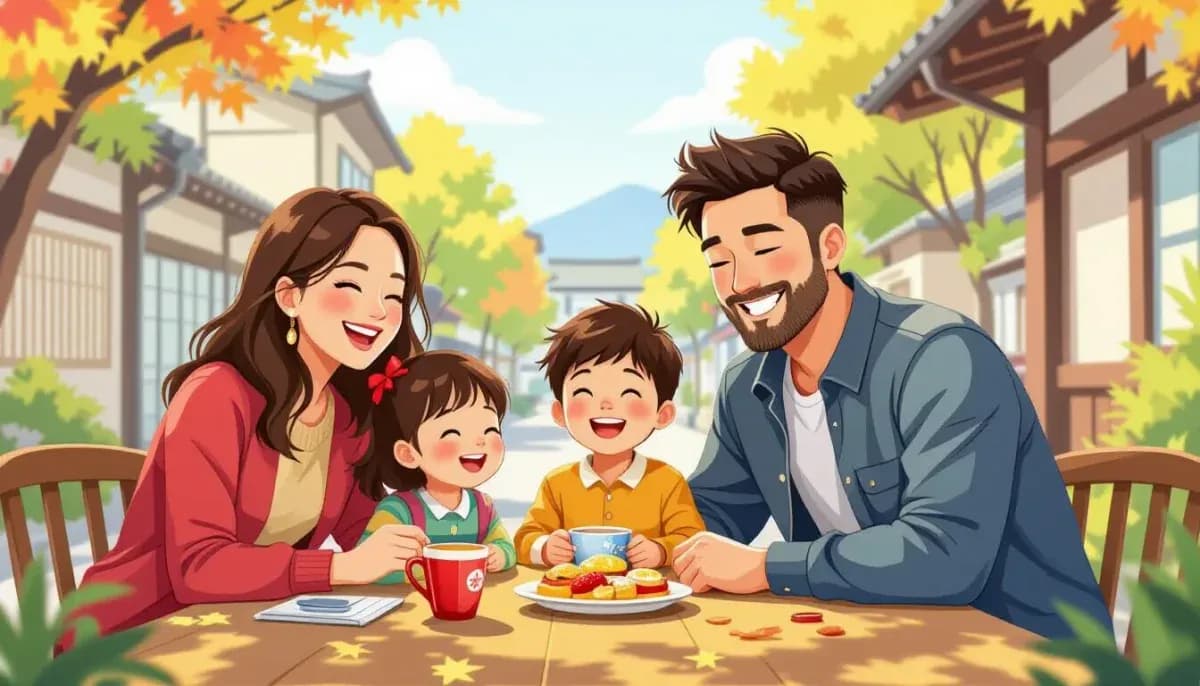
Learn how to build a strong multicultural family identity in Japan. Practical strategies for bilingualism, cultural rituals, school navigation, and raising confident bicultural children as an expat family.
Building a Strong Multicultural Family Identity in Japan
Raising a family across two or more cultures is one of the most rewarding — and demanding — experiences an expat parent can have. In Japan, where social conformity runs deep and the concept of "wa" (harmony) shapes daily life from school to the workplace, multicultural families face a unique set of pressures. Yet thousands of international families are thriving here, raising confident bilingual children with rich, layered identities that span continents.
This guide is for every parent who has wondered: How do I give my child the best of both worlds without losing either? Whether you are in a Japanese-foreign partnership or a fully foreign family settled in Japan, building a strong multicultural family identity is both possible and deeply worthwhile.
Why Multicultural Identity Matters More Than Ever in Japan
Japan is quietly becoming more diverse. Over 20,000 international marriages are registered in Japan annually, and the country's foreign resident population grows by approximately 200,000 people each year even as the native population shrinks by around 500,000. Multicultural families are not a niche — they are an increasingly essential part of Japan's social fabric.
Yet despite this growth, challenges remain significant. A Shinjuku ward survey found that 42.5% of foreign residents reported experiencing discrimination or prejudice, and 58.6% cited Japanese language difficulties as a major daily challenge. These pressures don't just affect adults — children absorb them too, and how parents respond shapes whether a child sees their mixed heritage as a gift or a burden.
As of 2024, approximately 56% of Japan's 1,741 municipalities have established Tabunka-kyōsei (multicultural coexistence) promotion plans, signaling that the government recognizes the need to support diverse families. But institutional support is only part of the picture. The real work happens at home, in the daily choices families make about language, culture, celebration, and identity.
For more context on living in Japan as a foreigner, Living in Nihon is a great resource covering everyday life and practical guidance for expats.
The Foundations: What Makes Multicultural Family Identity Strong
Research consistently shows that multicultural identity is not built through special programs or weekend culture classes — it is built through intentional, everyday practices embedded in family life. Here are the core pillars:
1. Language as a Living Bridge
Language is arguably the most powerful tool for cultural transmission. When children speak a heritage language fluently, they gain access not just to words, but to a worldview, a sense of humor, a relationship with distant grandparents, and a feeling of belonging.
What works:
- Designate specific languages for specific contexts (e.g., parent A speaks English at home, parent B speaks Japanese)
- Read books, watch films, and sing songs in both languages
- Use video calls with relatives abroad to make the heritage language feel alive and purposeful
- Celebrate milestones in both languages
For practical strategies, see our guide to Raising Bilingual Children in Japan and Heritage Language Maintenance for Children in Japan.
2. Cultural Rituals and Celebrations
Children develop identity through repetition and meaning. When a family consistently celebrates both Christmas and Obon, both Diwali and New Year's, both Eid and Tanabata, children internalize the message: We belong to more than one world, and both are ours.
Practical ideas:
- Cook traditional foods from both cultures regularly (not just on special occasions)
- Tell stories and share folklore from both backgrounds
- Display art, objects, and photographs from both cultural traditions at home
- Mark culturally significant days with small rituals, even if informal
3. A Shared Family Narrative
Strong multicultural families build a story about themselves — a narrative that frames diversity as strength. This might sound like: "In our family, we speak three languages and we've lived in four countries. That's our superpower."
Children who have a clear family story are more resilient when they face identity challenges at school or in social situations. Encourage your children to talk about their backgrounds with pride, and model that pride yourself.
Navigating Japan's School System as a Multicultural Family
Schools are where multicultural identity is most tested. Japanese schools tend to be warm and welcoming to cultural diversity in early years, but as children grow, pressure toward conformity increases. For Work in Japan has resources on navigating systems in Japan as a foreigner, which can apply to educational contexts too.
| School Stage | Cultural Openness | Conformity Pressure | Key Tips |
|---|---|---|---|
| Hoikuen / Yochien (0–6) | High | Low | Great time to establish bilingualism |
| Elementary (6–12) | Moderate | Growing | Engage with teachers proactively |
| Junior High (12–15) | Low-Moderate | High | Support identity confidence at home |
| High School (15–18) | Varies | High | Explore international school options |
| International Schools | High | Low | Great for multicultural identity |
Key actions for parents:
- Meet your child's homeroom teacher early and share your family's cultural background openly
- Ask about how the school handles cultural celebrations and language diversity
- Connect with other multicultural families at the same school — peer support is invaluable
- If your child is struggling with identity, seek out counselors familiar with third culture kid (TCK) experiences
For detailed guidance, see our articles on Elementary School in Japan for Foreign Families, Junior High School in Japan, and International Schools in Japan.
Supporting Your Child's Cultural Identity: Practical Strategies
At Home
- Maintain home country connections: Regular video calls with grandparents, cousins, and friends abroad keep the heritage culture real and relational, not abstract.
- Heritage media: TV shows, music, podcasts, and YouTube channels in the heritage language bring culture into everyday life without it feeling like homework.
- Food as culture: Cooking together is one of the most powerful ways to transmit culture. Involve children in preparing traditional dishes and tell the stories behind them.
- Heritage language reading: Build a home library in both languages. Reading for pleasure in the heritage language is one of the strongest predictors of long-term bilingualism.
In the Community
- Find your tribe: Expat parent groups, international playgroups, and multicultural community organizations provide a safe space where your child's background is the norm, not the exception.
- Chuukou Benkyou resources: Chuukou Benkyou offers study and educational resources that can help children navigate the Japanese academic system while maintaining their cultural roots.
- Cultural exchange programs: Some municipalities host international exchange events and multicultural festivals — great opportunities for children to celebrate their identity publicly.
- Connect with haafu communities: Japan has a growing community of bicultural individuals (often called "haafu") who have navigated exactly the challenges your child faces. Their experiences and networks are invaluable.
For more on this topic, see our guide on Cultural Identity for Hafu and Mixed-Race Children in Japan.
Dealing with Identity Challenges: When Your Child Struggles
It is entirely normal for multicultural children to go through periods of confusion, rejection of one culture, or difficulty explaining their identity to peers. Here is how to respond:
Signs your child may be struggling:
- Refusing to speak the heritage language
- Expressing shame about cultural differences
- Wanting to hide one aspect of their background
- Social withdrawal or school avoidance
What to do:
- Listen without judgment. Ask open-ended questions: "What was hard about today?"
- Normalize the struggle: "Lots of kids who live between two cultures feel this way sometimes."
- Share age-appropriate stories of multicultural people who found their identity a strength
- Connect with other multicultural families so your child sees they are not alone
- Consider counseling if challenges persist — look for therapists familiar with TCK issues
For mental health support, see our guide on Mental Health and Emotional Wellbeing for Foreign Children in Japan.
Building Your Multicultural Family Community in Japan
No family builds multicultural identity in isolation. Community is essential. Here's where to look:
Online communities:
- Facebook groups for expat parents in Japan (search by city: Tokyo, Osaka, Kyoto, Nagoya)
- International Parent Network Japan
- Third Culture Kids (TCK) support groups
In-person resources:
- International playgroups in major cities
- Multicultural community centers in cities with large foreign populations (Hamamatsu, Shinjuku, Minami-ku Yokohama)
- International schools often host community events open to non-enrolled families
- Your city's international relations association (kokusai koryu kyokai)
Key reading:
- Raising a Multicultural Child in Japan — personal accounts from expat parents (Savvy Tokyo)
- Real Life in Multicultural Families — challenges and everyday life in Japan (Visit Inside Japan)
- Research on Japan's multicultural policy framework (Nippon.com)
Practical Checklist: Building Multicultural Family Identity
Use this checklist to assess and strengthen your family's multicultural identity foundation:
| Area | Actions to Take | Frequency |
|---|---|---|
| Language | Use heritage language at home consistently | Daily |
| Culture | Cook heritage foods together | Weekly |
| Connection | Video call relatives abroad | Weekly/Monthly |
| Celebration | Mark holidays from both cultures | As they occur |
| Community | Attend multicultural family events | Monthly |
| Story | Share family narrative and background | Regularly |
| School | Communicate with teachers about your background | Each school year |
| Support | Connect with other multicultural families | Ongoing |
Looking Forward: The Gift of a Multicultural Identity
Children raised in multicultural families often grow into remarkable adults — people with deep empathy, linguistic flexibility, cultural intelligence, and the rare ability to move between worlds. Japan, for all its conformity pressure, is also a country that deeply values excellence, craft, and depth. A child who is given the tools to own their multicultural identity fully will find their place here — and everywhere else.
The work you do now, in the daily rituals, the language choices, the stories you tell, and the communities you build, will echo through your child's life in ways you cannot yet fully see. Keep going. It is worth it.
For related support, explore our guides on Teaching Japanese to Foreign Children, Healthcare and Medical Care for Children in Japan, and Government Benefits and Subsidies for Families in Japan.

Originally from Vietnam, living in Japan for 16+ years. Graduated from Nagoya University, with 11 years of professional experience at Japanese and international companies. Sharing practical information for foreign parents raising children in Japan.
View Profile →Related Articles
Navigating Different Education Expectations Between Cultures
Discover how education expectations differ between Japan and Western countries. A practical guide for expat families on Japanese school culture, academic pressure, language barriers, and how to help your child thrive in both worlds.
Read more →
Best Cross-Cultural Parenting Books and Resources
Discover the best books and resources for cross-cultural parenting in Japan. From bilingual strategies to Japanese parenting philosophy, this guide helps multicultural families thrive.
Read more →
Keeping Cultural Traditions Alive When Living Abroad
Practical guide for expat families in Japan on keeping cultural traditions alive abroad — covering language, food, celebrations, community, and digital tools for raising bicultural children.
Read more →
Choosing Names for Children in Multicultural Families
Complete guide to choosing names for children in multicultural families in Japan — legal requirements, bilingual naming strategies, pronunciation pitfalls, kanji selection, and real bicultural name examples.
Read more →
Conflict Resolution in Multicultural Families
Practical strategies for resolving conflict in multicultural families living in Japan. Understand tatemae vs hon-ne, cultural communication styles, and evidence-based techniques for building lasting family harmony.
Read more →
Gender Roles and Expectations in Multicultural Families
Navigating gender roles in a multicultural family in Japan? Understand traditional expectations, expat realities, and practical strategies for building an egalitarian home in Japan.
Read more →