
Hoikuen vs Yochien: Which Is Better for Your Child?

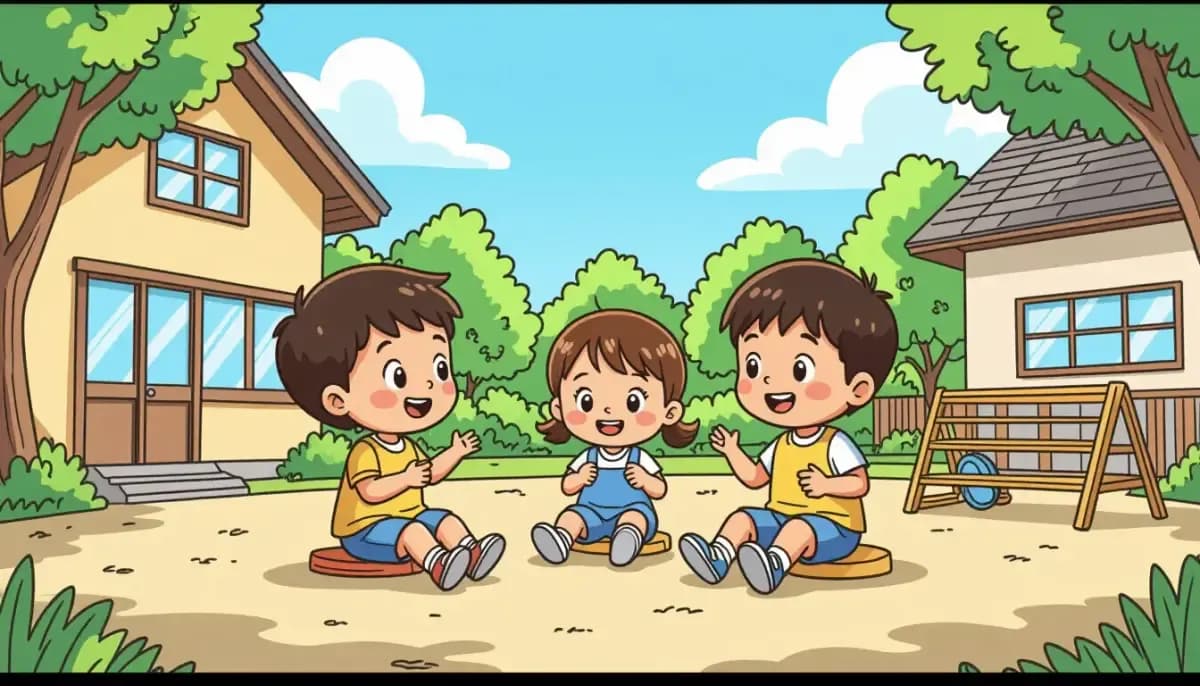
Compare hoikuen (daycare) and yochien (kindergarten) in Japan. Learn the key differences in cost, hours, curriculum, and enrollment to choose the best option for your child as a foreign parent.
Hoikuen vs Yochien: Which Is Better for Your Child?
Choosing between hoikuen (保育園) and yochien (幼稚園) is one of the most important decisions foreign parents face when raising children in Japan. While both serve young children, they differ significantly in purpose, structure, cost, and daily experience. This comprehensive guide breaks down everything you need to know to make the right choice for your family.
If you are new to the Japanese education system, our complete guide to the Japanese education system provides helpful background on how early childhood education fits into the broader picture.
What Is Hoikuen? Understanding Japanese Daycare
Hoikuen (保育園), or nursery schools, are childcare facilities designed primarily for working parents. They fall under the jurisdiction of the Ministry of Health, Labour and Welfare, which reflects their focus on welfare and childcare rather than formal education.
Hoikuen accept children from as young as a few months old up to age 6 (school entry age). The daily schedule revolves around play-based learning, free play, nap times, and meals. Most hoikuen operate from around 7:00 AM to 7:00 PM, making them ideal for dual-income households.
There are three main categories of hoikuen:
- Ninka (認可): Government-authorized facilities that meet national standards. These are the most affordable option, with fees calculated on a sliding scale based on household income.
- Ninshou (認証): Certified private facilities (primarily a Tokyo designation) that receive some government subsidies.
- Mu-ninka (無認可): Unauthorized private facilities that operate independently without government subsidies, often offering more flexible hours or specialized programs.
For a deeper look at the hoikuen system, see our complete guide to daycare and hoikuen in Japan.
What Is Yochien? Understanding Japanese Kindergarten
Yochien (幼稚園), or kindergartens, are education-focused institutions overseen by the Ministry of Education, Culture, Sports, Science and Technology (MEXT). They are considered the first step in Japan's formal education system.
Yochien typically accept children aged 3 to 6 and operate shorter hours, usually from 9:00 AM to 2:00 PM. The curriculum is structured and includes reading, writing, basic math, music, art, and physical education. Many yochien require uniforms and follow a regimented daily schedule organized by subject.
Unlike hoikuen, yochien do not require parents to be employed. They are open to all families, making them popular among households with a stay-at-home parent. Some yochien offer optional extended care (預かり保育) for an additional fee, which can accommodate parents who work part-time.
Learn more about yochien specifically in our kindergarten in Japan guide for foreign parents.
Key Differences: Hoikuen vs Yochien at a Glance
Understanding the core differences between these two options is essential for making the right choice. Here is a side-by-side comparison:
| Feature | Hoikuen (保育園) | Yochien (幼稚園) |
|---|---|---|
| Age range | 0–6 years | 3–6 years |
| Operating hours | 7:00 AM – 7:00 PM | 9:00 AM – 2:00 PM |
| Primary purpose | Childcare for working parents | Early childhood education |
| Government oversight | Ministry of Health, Labour and Welfare | Ministry of Education (MEXT) |
| Parent employment required | Yes, both parents must work | No requirement |
| Curriculum style | Play-based, flexible | Structured, academic |
| Uniforms | Casual play clothes | Formal uniforms required |
| Meals | Provided (lunch and snacks) | Often requires homemade bento |
| Nap time | Included in daily schedule | Not typically included |
| School holidays | Minimal (operates year-round) | Summer, winter, and spring breaks |
| Parental involvement | Moderate | High (events, bento prep, PTA) |
Cost Comparison: What Will You Pay?
Cost is often a deciding factor for families. Thanks to Japan's 2019 childcare reform, the financial landscape has changed significantly.
Free childcare for ages 3–5: Since October 2019, tuition at both authorized hoikuen and yochien is free for children aged 3 to 5. This policy, part of the government's efforts to address the declining birthrate, covers basic tuition but not additional fees like meals, transportation, or uniforms.
Hoikuen costs (ages 0–2): For children under 3 at authorized (ninka) hoikuen, fees are calculated on a sliding scale based on household income. Monthly costs typically range from ¥10,000 to ¥70,000. Private (mu-ninka) daycares can cost ¥40,000 to ¥80,000 per month.
Yochien additional costs: While tuition is free for ages 3–5, families still pay for school bus fees (¥3,000–¥5,000/month), uniform costs (¥10,000–¥30,000 one-time), lunch fees, and PTA contributions.
For families in Tokyo, significant childcare subsidies are available that can save families ¥1–2 million annually. Check with your local ward office for details on subsidies available in your area.
For more information on financial planning for your child's education in Japan, visit Living in Nihon's guide to raising children and education.
How to Apply: Enrollment Process Explained
The application process differs significantly between hoikuen and yochien, and understanding the timeline is critical since missing deadlines can mean waiting another full year.
Hoikuen Application Process
- Visit your local city hall (市役所) or ward office to obtain application forms, typically available from October.
- Submit your application by the November/December deadline for April enrollment.
- Provide required documents: proof of employment for both parents, income certificates, residence cards, and a list of preferred facilities ranked in order.
- Wait for the point-based selection: The city assigns points based on factors like both parents' work hours, commute distance, and whether siblings already attend the facility. Higher points mean higher priority.
- Receive results in February for April admission.
Yochien Application Process
- Attend open days (見学会) in September to visit facilities and observe classes.
- Obtain application forms in October (some popular yochien have parents lining up early).
- Submit applications and attend interviews in November. Some yochien conduct simple assessments of the child.
- Receive acceptance by November/December.
Tip for foreign parents: Bring a Japanese-speaking friend or use translation apps during the application process. Many ward offices now offer multilingual support, but having someone who can navigate the paperwork is invaluable.
For guidance on broader family life matters in Japan, see For Work in Japan's family life guide.
The Rise of Kodomoen: A Third Option
In recent years, Japan has introduced a hybrid option called kodomoen (認定こども園), or certified centers for early childhood education and care. These facilities combine the childcare function of hoikuen with the educational curriculum of yochien.
Kodomoen accept children from ages 0 to 5 regardless of parental employment status. They offer longer hours than traditional yochien while maintaining a structured educational program. As of 2024, approximately 661,000 children were enrolled in these integrated centers, and the number continues to grow.
This option is particularly attractive for families whose work situation might change, as children can remain at the same facility regardless of whether parents switch between full-time employment and part-time or stay-at-home status.
Which Option Fits Your Family?
The best choice depends on your family's specific circumstances. Consider these scenarios:
Choose hoikuen if:
- Both parents work full-time
- You need extended care hours (early morning to evening)
- Your child is under 3 years old
- You prefer a play-based, relaxed learning environment
- You want meals provided by the facility
Choose yochien if:
- One parent is available during the day
- You want a structured, education-focused curriculum
- Your child is 3 years or older
- You value preparation for elementary school academics
- You are comfortable with higher parental involvement expectations
Choose kodomoen if:
- You want both education and extended care
- Your work situation may change in the future
- You want flexibility without switching facilities
For families considering raising bilingual children, the choice of facility can impact language development. Read our guide on raising bilingual children in Japan for strategies that complement either choice.
Practical Tips for Foreign Parents
Navigating the Japanese childcare system as a foreigner comes with unique challenges. Here are proven strategies from expat parents:
Language barriers: Use translation apps like Google Translate for school communications. Many schools now use apps like Codmon or Kidsly for daily updates, which can be translated automatically.
Cultural expectations: Yochien in particular expect significant parental involvement. Be prepared for undokai (sports days), bunkasai (cultural festivals), and regular PTA meetings. At hoikuen, parent involvement is less intensive but still expected for certain events.
Bento preparation: If your child attends yochien, you will likely need to prepare elaborate bento boxes. Start simple and gradually build your skills. There are many YouTube channels and blogs dedicated to character bento (kyaraben) for beginners.
Building relationships: Despite language differences, making an effort to greet other parents and teachers goes a long way. Japanese parents are generally welcoming and helpful once connections are established.
Waiting lists: In urban areas, getting into a preferred hoikuen can be competitive. As of 2024, Japan has reduced its national daycare waiting list to approximately 2,600 children, but popular facilities in cities like Tokyo and Osaka still have significant competition. Apply to multiple facilities and rank them strategically.
For parents preparing for later educational stages, Chuukou Benkyou's guide on parent roles in exam success offers valuable insights on supporting your child's academic journey.
Understanding the Daily Experience
A typical day at each facility looks quite different:
A day at hoikuen: Children arrive between 7:00–9:00 AM. The morning includes free play, outdoor time, and structured group activities. Lunch is served around 11:30 AM, followed by nap time for younger children. Afternoon activities continue until parents pick up between 5:00–7:00 PM.
A day at yochien: Children arrive at 9:00 AM, often by school bus. The morning follows a structured schedule with classes in subjects like language, math concepts, music, and art. Lunch is at noon (either school-provided or bento). Afternoon activities or free play continue until dismissal at 2:00 PM.
Both types of facilities celebrate seasonal events, organize field trips, and create opportunities for social development. The key difference is the balance between structured learning and free play.
Making Your Decision: Next Steps
- Research facilities in your area: Visit your city hall or ward office website for a list of authorized hoikuen and yochien near your home.
- Attend open days: Both hoikuen and yochien hold observation days. Visit at least 2–3 facilities of each type.
- Talk to other parents: Join local parent groups or expat communities to hear firsthand experiences. Our guide on baby and infant care in Japan connects to resources for new parents.
- Consider your long-term plans: Think about your work situation, your child's personality, and your educational priorities.
- Start early: Begin researching at least 6 months before your desired start date, as popular facilities fill up quickly.
Whatever you choose, both hoikuen and yochien provide safe, nurturing environments that help children develop socially and prepare for elementary school in Japan. The Japanese early childhood education system, while different from what many foreign parents are accustomed to, is well-regarded internationally for its emphasis on social skills, independence, and community.

Originally from Vietnam, living in Japan for 16+ years. Graduated from Nagoya University, with 11 years of professional experience at Japanese and international companies. Sharing practical information for foreign parents raising children in Japan.
View Profile →Related Articles
Transitioning from Yochien to Elementary School in Japan
A complete guide for foreign parents on transitioning from yochien to elementary school in Japan. Covers enrollment timelines, language support, costs, and what to expect in Grade 1.
Read more →
Religious Kindergartens in Japan: Buddhist and Christian Options
Discover the differences between Buddhist and Christian kindergartens in Japan. Compare teaching philosophies, curriculum approaches, enrollment processes, and tips for foreign families choosing religious preschools.
Read more →
Bilingual and English Kindergartens in Japan
Discover the best bilingual and English kindergartens in Japan for foreign families. Compare costs, enrollment processes, government subsidies, and top school options across Tokyo and beyond.
Read more →
After-School Care Options at Kindergartens in Japan
Comprehensive guide to after-school care options at kindergartens in Japan for foreign parents, covering azukari hoiku, gakudo programs, costs, enrollment, and tips for working families.
Read more →
Yochien Events and Annual Activities Calendar
Complete month-by-month guide to Japanese kindergarten (yochien) annual events and activities. From undokai sports day to happyokai performances, everything foreign parents need to know.
Read more →
Preparing Your Child for Yochien: Readiness Checklist
Complete yochien readiness checklist for foreign families in Japan. Cover self-care skills, Japanese phrases, supplies, enrollment timeline, and daily routine preparation for kindergarten.
Read more →