
Autism Spectrum Support for Families in Japan

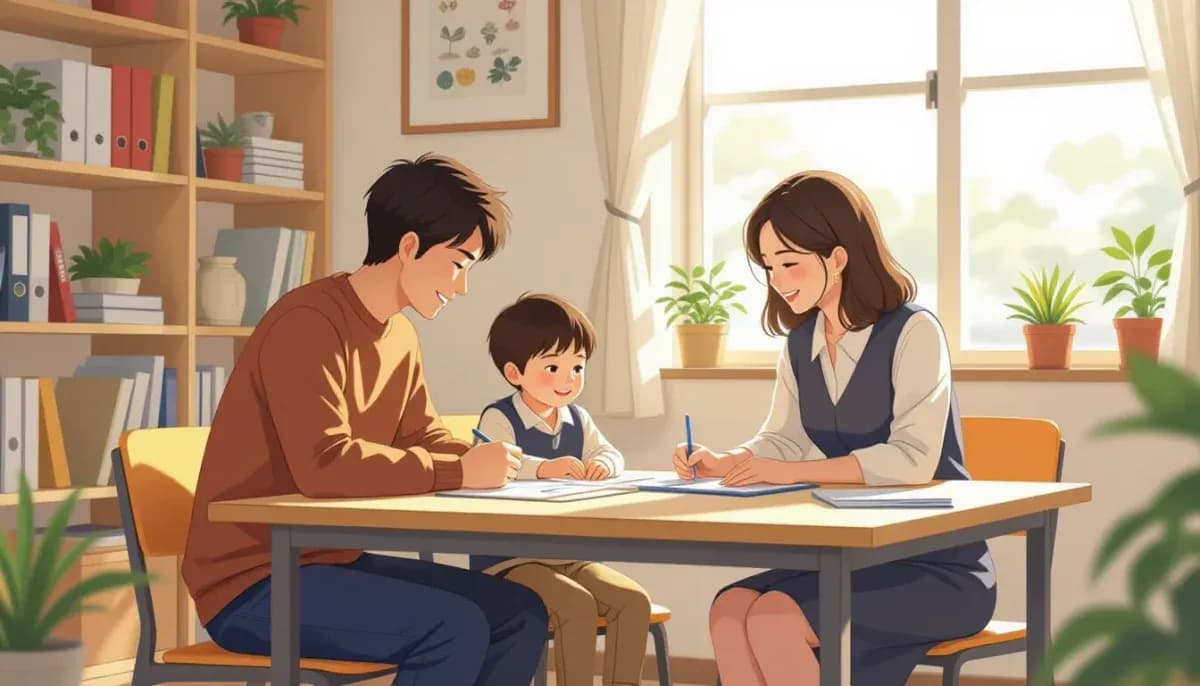
Everything foreign families need to know about autism spectrum support in Japan: diagnosis, schools, disability certificates, therapy services, medication rules, and English-language resources.
Autism Spectrum Support for Families in Japan
Raising a child on the autism spectrum is a journey that requires patience, knowledge, and a strong support network — no matter where you live. For families in Japan, whether long-term residents or newly arrived expats, navigating autism support services can feel overwhelming at first. Japan has developed a substantial framework of services for children and adults with Autism Spectrum Disorder (ASD), but accessing these resources requires understanding the local system, the documentation needed, and the cultural context.
This guide breaks down everything families need to know about autism spectrum support in Japan: diagnosis, schools, government services, disability certificates, and practical tips for daily life.
Understanding Autism Prevalence and Diagnosis in Japan
Japan has one of the highest reported autism rates in the world. According to research published in Frontiers in Psychiatry, the adjusted ASD prevalence in Japan is approximately 3.22% — roughly 1 in 55 children — with a male-to-female ratio of about 4:1. A large-scale study tracking children born between 2009 and 2019 found that approximately 313,353 out of 6 million children received an ASD diagnosis, with the cumulative incidence rising from 2.23% to 3.26% over that decade.
This high reported rate is partly due to Japan's relatively robust diagnostic infrastructure and proactive health check systems. Children in Japan receive developmental check-ups at ages 1.5 years and 3 years through municipal health centers (hokenjo). These checks screen for language delays, social communication patterns, and developmental milestones — and are often the first point where concerns about autism are flagged.
How to Get an Autism Diagnosis in Japan
For foreign families, the diagnostic pathway can feel complicated, but it follows a clear route:
- Municipal health check (nyuuji kenshin / youji kenshin) — Routine developmental screenings at 1.5 and 3 years
- Referral to a specialist — Pediatric psychiatrists (jidou seishin-ka) or developmental pediatricians conduct formal assessments
- Psychological evaluation — Tools like ADOS-2 (Autism Diagnostic Observation Schedule) and CARS are used
- Formal diagnosis — Issued by a licensed physician; required for accessing support services
English-speaking clinics such as Tokyo Mental Health offer autism assessments and follow-up care in English, which can be invaluable for families who are not yet fluent in Japanese.
Japan's Education System for Children with ASD
Japan's public education system offers three levels of support for children with developmental differences. As reported by Savvy Tokyo, the Ministry of Education estimated that 6.5% of elementary and junior high school students have at least some form of developmental difficulty — a statistic that has driven significant investment in special needs education infrastructure.
The Three-Tier School Support System
| Support Level | Setting | Class Size | Description |
|---|---|---|---|
| Regular class with support | Mainstream school | Standard (30-35) | Team teaching with a support teacher; IEP adaptations |
| Resource room (tsukkyuu) | Mainstream school | Individual / small group | Pull-out sessions several hours per week for social skills, language, or sensory support |
| Special needs education class | Mainstream school | Max 8 students | Dedicated class with specialized curriculum |
| Special support school (tokubetsu shien gakkou) | Separate school | Very small | Full-time specialized education for children with higher support needs |
Each child's placement is determined collaboratively by parents, teachers, and municipal education boards. Foreign families have the right to participate in these discussions, though having a Japanese-speaking advocate or translator is strongly recommended.
If you are still exploring the Japanese school system more broadly, our guide to the Japanese education system for foreign families provides an excellent foundation. For younger children, understanding hoikuen vs yochien options is also relevant, as both types of facilities can have varying levels of developmental support.
The Disability Certificate: Your Key to Government Support
One of the most important steps for families of children (and adults) with ASD in Japan is obtaining the Shougaisha Techou — the Disability Certificate. This document is the gateway to nearly all formal support services, subsidies, and employment protections.
There are two types relevant to autism:
- Ryouiku Techou — For individuals with intellectual disabilities alongside autism
- Seishin Shougaisha Hoken Fukushi Techou — For individuals with autism without significant intellectual disability
What the Disability Certificate Enables
- Access to municipal welfare services and day service programs
- Reduced public transportation fares (JR, subway, buses)
- Priority access to support workers and respite care
- Eligibility for the Employment Quota System for autistic adults
- Financial subsidies for therapy and rehabilitation
Applications are made through your municipal office (shiyakusho or kuyakusho). You will need the formal diagnosis from a physician, identification documents, and photos. The process typically takes 2-4 weeks.
For a broader look at government support programs for foreign families in Japan, our article on child allowance (Jidou Teate) in Japan covers related financial support systems.
Therapy, Day Services, and Support Programs
Beyond schools, Japan has a network of community-based support services for children with ASD. These are largely funded through the welfare system and require the Disability Certificate for access.
Developmental Support Centers
Every prefecture has dedicated Jidouhattatsu Shien Centers — child developmental support centers that provide:
- Applied Behavior Analysis (ABA) therapy
- Speech and language therapy
- Occupational therapy (OT) for sensory processing
- Social skills training in small groups
These centers typically serve children ages 0-6. After school age, Houkago-tou Day Service — after-school day services — provide continued therapeutic support for children up to age 18.
Autism Society Japan
The Autism Society Japan (ASJ) has over 6,500 members, 46 counselors, and 7 partner organizations nationwide. They provide:
- Counseling services for families
- Information resources and publications
- Regional chapters and peer support groups
- Advocacy for policy improvements
Many regional chapters have resources or members who speak English, making this a valuable connection for expat families. You can find more accessibility resources at Accessible Japan.
Practical Daily Life: Tips for ASD Families in Japan
Living with ASD in Japan comes with both challenges and some unexpected advantages. The country's high predictability, structured social rhythms, and quiet public spaces can be genuinely helpful for children who thrive on routine. However, there are important practical considerations.
Medications: What to Know Before You Move
This is critical for families relocating to Japan: many medications commonly prescribed for ADHD symptoms co-occurring with autism are strictly regulated or outright prohibited in Japan.
- Prohibited: Adderall, Dexamphetamine, mixed amphetamine salts
- Requires documentation: Concerta (methylphenidate), Ritalin — allowed with a physician's prescription and advance approval from Japan's Narcotics Control Department
- Recommended action: Contact the Japanese Embassy in your home country before relocating, and consult your current prescribing doctor about Japan-approved alternatives
The Tokyo Chapter has a detailed guide for families navigating neurodivergent life in Japan, including medication logistics, theme park accessibility, and sensory strategies.
Sensory Environments and Accessibility
Japan is increasingly autism-aware in public spaces:
- Theme parks like Tokyo Disneyland and Universal Studios Japan offer disability accommodation passes that reduce wait times for children who struggle with queuing
- Quiet hours are offered at some shopping centers and museums
- Public transport is predictable and schedule-oriented, which many autistic individuals appreciate
Our article on signs of stress and anxiety in expat children may also be helpful for understanding behavioral changes your child might experience during the adjustment period in Japan.
Support for Non-Japanese Speaking Families
Finding English-language autism support in Japan is more feasible in major cities than in rural areas. Key resources include:
- Tokyo Mental Health — English-speaking psychiatrists and psychologists specializing in ASD assessments and therapy
- Ability Life Solutions Japan — Comprehensive resource directory for autism and special needs support across Japan
- International schools — Many have learning support teams experienced with ASD; see our guide to international schools in Japan
- Online expat parent communities — Facebook groups like "Tokyo Moms" and "Raising Bilingual Kids Japan" have members experienced in navigating the support system
For families who want to balance Japanese and home-country education, understanding the benefits of raising bilingual children in Japan and methods to teach children Japanese can also be valuable.
Additionally, useful guidance for expat families is available at Living in Nihon, For Work in Japan, and Chuukou Benkyou — all resources focused on helping foreign residents navigate life in Japan.
Employment Support for Autistic Adults
For families raising autistic children who will eventually enter adulthood in Japan, understanding the long-term support landscape matters. Japan's Employment Quota System requires private companies above a certain size to employ a minimum percentage of certified disabled workers, or pay a financial levy. This creates structured pathways into the workforce for autistic adults holding the Disability Certificate.
Local Hello Work (Public Employment Security Offices) and Local Employment Support Centers offer:
- Job matching and career counseling
- Job coaching during the onboarding period
- Workplace accommodation negotiation
Research from specialized schools like Musashino Higashi Gakuen in Tokyo reports that 53% of autistic graduates find employment in ordinary workplaces, a testament to the combined effect of structured education and employment support systems.
Key Takeaways: Getting Started
If you are a family navigating autism spectrum support in Japan for the first time, here is your action checklist:
- Get a formal diagnosis from a licensed physician or pediatric psychiatrist
- Apply for the Disability Certificate through your municipal office
- Contact your school district to discuss placement and IEP options
- Register with a Jidouhattatsu Shien Center for therapeutic support
- Check medication regulations before bringing prescriptions into Japan
- Connect with the Autism Society Japan and local expat parent communities
- Research English-speaking providers in your city or region
Japan's support system for autism is extensive — but it rewards families who understand how to access it. With the right documentation, relationships with local services, and a network of peers, families can build a genuinely supportive life for their children on the spectrum in Japan.
For science-backed research on autism prevalence and trends in Japan, see Science Insights and the NIH research database.

Originally from Vietnam, living in Japan for 16+ years. Graduated from Nagoya University, with 11 years of professional experience at Japanese and international companies. Sharing practical information for foreign parents raising children in Japan.
View Profile →Related Articles
Inclusive Education Movement and Progress in Japan
Discover the state of inclusive education in Japan — from legal frameworks and school options to UN criticism and practical advice for foreign families with children with disabilities.
Read more →
English-Language Special Needs Resources in Japan
A complete guide to English-language special needs resources in Japan for expat families, covering education support, therapy services, disability certificates, financial aid, and parent communities.
Read more →
Advocating for Your Special Needs Child in Japanese Schools
A complete guide for foreign parents on navigating Japan's special needs education system — from understanding the three-tier support structure to effective advocacy strategies, English-language resources, and financial assistance.
Read more →
Therapy and Intervention Services for Children in Japan
Complete guide to therapy and intervention services for children in Japan. Find English-language speech therapy, mental health support, and early intervention programs for expat families.
Read more →
Government Support and Benefits for Special Needs Families
Complete guide to government support for special needs families in Japan: disability certificates, cash allowances up to ¥58,450/month, healthcare subsidies, school support, and welfare services for foreign residents.
Read more →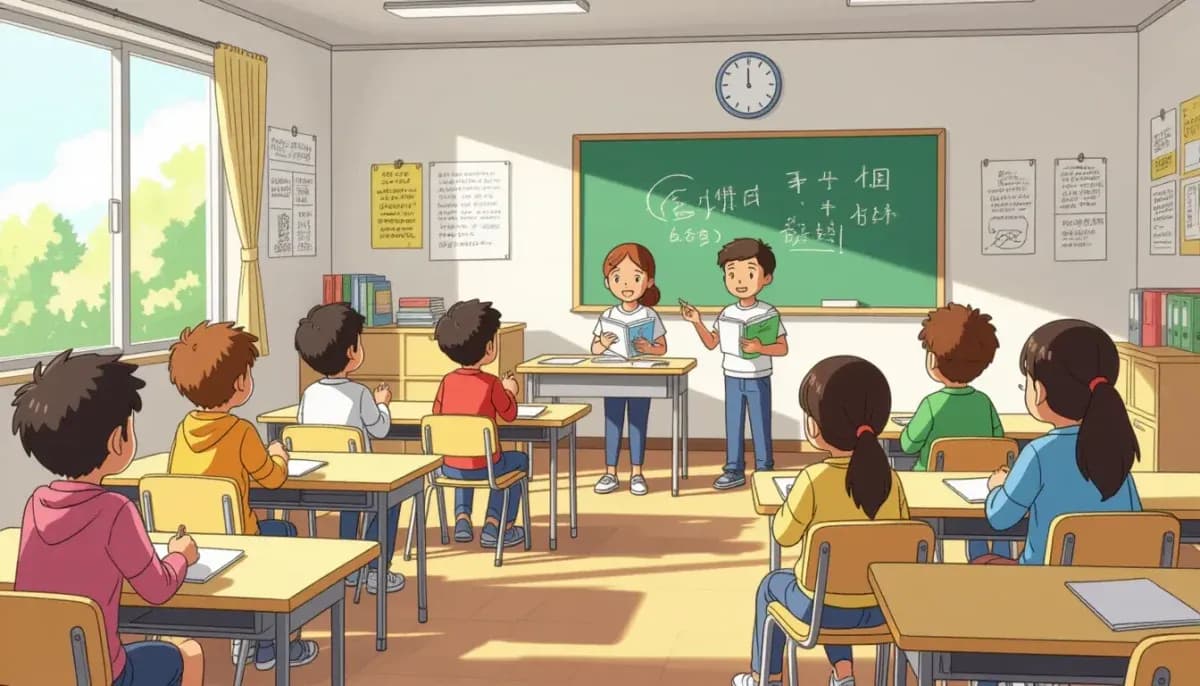
International Schools for Children with Special Needs
A complete guide to international schools and support services for children with special needs in Japan. Learn about inclusive schools, learning support teams, resources for expat families, and how to navigate the admissions process.
Read more →