
Community Events Where Children Can Meet Friends

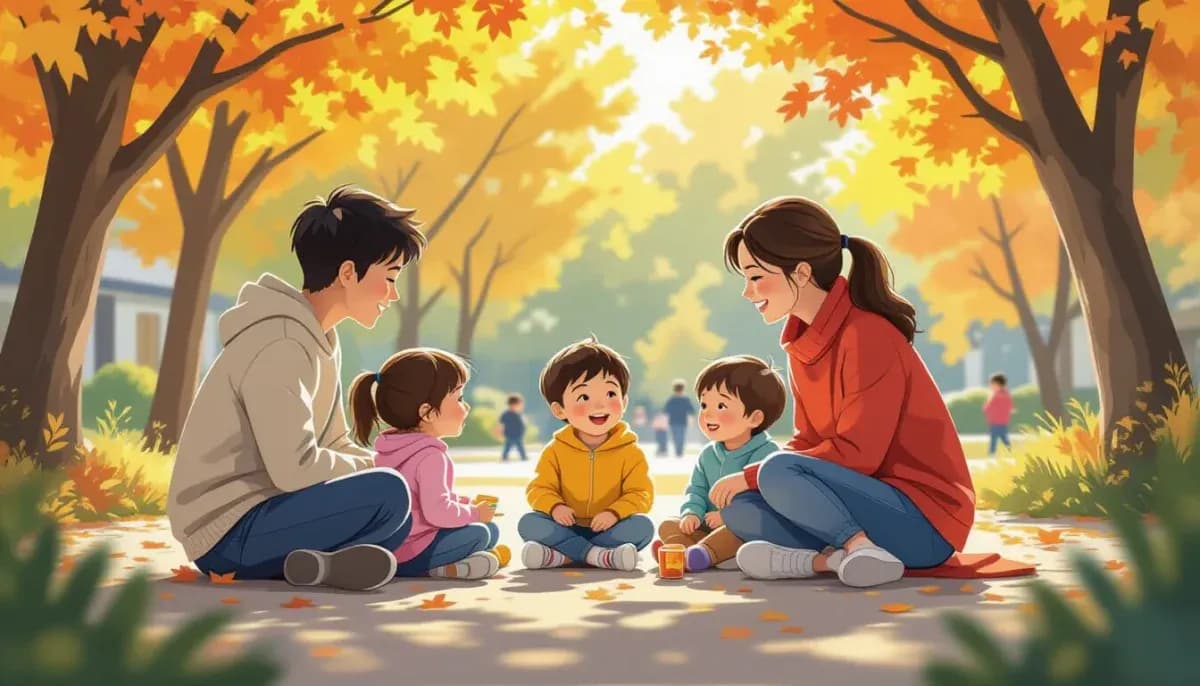
A complete guide for expat families on community events, after-school activities, and expat networks in Japan that help children make friends and build a social life.
Community Events Where Children Can Meet Friends in Japan
Moving to Japan as a foreign family is exciting — but one of the biggest challenges parents face is helping their children build a social circle. The language barrier, different cultural norms, and unfamiliar school systems can make it tough for kids to find friends. Fortunately, Japan has a rich network of community events, expat groups, and local activities that are perfect for helping children connect with peers — both Japanese and international.
This guide covers the best community events and strategies for foreign children to meet friends in Japan, with practical advice for parents navigating the local social landscape.
Understanding Japan's Social Culture for Children
Before diving into specific events, it helps to understand how Japanese children typically form friendships. Unlike many Western countries where friendships can form spontaneously on a playground, Japanese social bonds tend to be built within structured groups — school classes, sports clubs (部活動, bukatsu), and hobby circles.
Up to 70% of junior high school students participate in school clubs (bukatsu), making these the dominant structured social channel for school-age children. For younger children, kindergarten (yochien) and daycare (hoikuen) class groups are the primary source of friends.
For foreign children, this means the key to making friends is joining existing structured activities — not waiting for organic friendships to form. Once a child is embedded in a group with a shared purpose (soccer practice, art class, dance), friendships develop naturally.
For more background on Japan's school system and how it shapes social life, see our guide to Elementary School in Japan for Foreign Parents and Junior High School in Japan.
Community Events and Festivals in Japan for Families
Japan's calendar is packed with community festivals (matsuri) and seasonal events that are open to everyone — including foreign families. These are some of the best opportunities for children to meet local Japanese peers in a relaxed, fun setting.
Traditional Festivals (Matsuri)
Local neighborhood festivals happen year-round and are deeply community-oriented. Children can participate in:
- Mikoshi carrying — portable shrine processions where neighborhoods come together
- Mochitsuki — traditional rice cake pounding events, often held at New Year's
- Bon Odori — summer bon dance festivals open to all ages
- Summer fireworks festivals (hanabi taikai) — family-friendly outdoor gatherings
Participating in these events, even as a spectator at first, signals to local families that you are invested in the community. Over time, showing up consistently helps children become a familiar face to neighbors.
Children's Day (Kodomo no Hi) — May 5th
Children's Day is a national holiday celebrated on May 5th each year, and it's one of the most family-friendly events in the Japanese calendar. Highlights include:
- Tokyo Tower displays 333 koinobori (carp-shaped wind streamers) annually, drawing tens of thousands of families
- Many museums, zoos, and science centers offer free or discounted admission for children on this day
- Traditional sento (public baths) hold iris baths (shōbu-yu), which families attend together
- Community centers organize craft activities, mochi-making, and cultural workshops
For expat families, Children's Day events are an excellent entry point into the community — everyone is there, activities are structured, and the festive atmosphere makes it easy to strike up conversations.
Seasonal Park Events and Cherry Blossom Picnics
Japan's parks come alive during spring (hanami cherry blossom season) and summer. Many ward and city offices organize family picnic events, outdoor movie nights, and sports days that are free and open to all residents, regardless of nationality.
The Global Family to Family network, which connects approximately 700 families with children aged 0–15 across Japan, organizes close to 100 child-friendly events per month in Tokyo, Kyoto, and Osaka — including cherry blossom picnics, zoo visits, and BBQ gatherings. Children are matched by age with both local Japanese children and expat peers.
Expat Community Groups and International Networks
Japan has a well-established expat community with dozens of organized groups that welcome foreign families. These organizations run regular events specifically designed to help foreign children and parents build social connections.
Key Expat Networks in Japan
| Organization | Size | Focus | Best For |
|---|---|---|---|
| Tokyo Expat Network (TEN) | 30,000+ Facebook members | General expat networking | Parents finding events |
| Welcome Tokyo Meetup | 50,000+ members | Cultural & social events | Families new to Tokyo |
| Global Family to Family | ~700 families | Child-matched events | Kids aged 0–15 |
| Tokyo American Club | 3,500+ members | Sports, dining, clubs | Long-term residents |
| International House of Japan | Est. 1952 | Cross-cultural exchange | Academic/professional families |
| College Women's Association of Japan (CWAJ) | 300 women, 25+ countries | Cultural programs | Expat mothers |
The Otonari-San Family-friend Program is particularly noteworthy — it specifically connects foreign families with local Japanese residents and other expats to build genuine neighborhood friendships.
For more on expat communities, check out Living in Nihon's community guides and For Work in Japan's resources for foreign families.
After-School Activities and Hobby Circles
One of the most effective ways for foreign children to make friends in Japan is joining after-school activities and local hobby circles (saakuru). Shared activities create natural bonding opportunities, bypass the language barrier, and put children in repeated contact with the same peers.
Popular After-School Activities for Foreign Children
The following activities are widely available in Japanese cities and towns, and many welcome foreign children even without Japanese language proficiency:
- Soccer (football) — The most popular team sport for children; many community leagues welcome all nationalities
- Swimming — Municipal pools and private swim schools are accessible and language-light
- Martial arts (karate, judo) — Discipline-based, structured learning environments where effort earns respect
- Tennis — Available at community sports centers; coaching is often visual and practical
- Basketball — Popular in cities; international in character
- Hip-hop dance — Hugely popular among Japanese youth; no language barrier to learning moves
- Art and craft classes — Municipal cultural centers (bunka center) offer affordable workshops
Many community sports programs are subsidized by local ward offices, making them accessible to families on any budget. Check your local shiyakusho (city hall) or kuyakusho (ward office) for listings.
For advice on language and integration at school, see our guide to Teaching Japanese to Foreign Children and Raising Bilingual Children in Japan.
Digital Tools and Platforms for Finding Events
In Japan, community events are often organized and promoted through specific digital platforms. Knowing where to look makes a big difference.
Best Platforms for Finding Family Events in Japan
- Meetup Japan — A large, active community with dozens of family and children's events monthly
- Doorkeeper — Japanese event platform with both English and Japanese listings; strong in Tokyo and Osaka
- Peatix — Popular for cultural workshops, family craft days, and seasonal events
- Facebook Groups — Tokyo Expat Network, Welcome Tokyo, and regional groups post events daily
- LINE — While not an event-finding platform, LINE is the dominant messaging app in Japan. Once your child joins a group activity, the organizer will almost certainly create a LINE group for updates and coordination
Local ward offices also maintain websites (often with English versions) listing community center events, children's cultural programs, and seasonal festivals.
For a comprehensive look at expat resources, Chuukou Benkyou's guides for foreign families in Japan are a valuable reference, as are resources on the Expat Community at All Japan Relocation and the Expat's Guide to Japan Community page.
Practical Tips for Parents: Helping Your Child Make Friends
Building a social network in Japan takes consistency and a bit of cultural know-how. Here are practical strategies that work:
1. Show up repeatedly to the same event or activity. In Japanese culture, trust is built through consistent presence. One-time attendance at a festival does little; returning month after month signals genuine community investment.
2. Learn a few Japanese phrases with your child. Even basic phrases like issho ni asobō! ("Let's play together!") or yoroshiku ne ("Nice to meet you / let's get along") can open doors dramatically.
3. Bring a small gift (omiyage) when meeting new families. The Japanese custom of bringing snacks or local sweets when meeting someone is deeply appreciated and immediately warms the social atmosphere.
4. Schedule playdates with 2–3 weeks advance notice. Spontaneous hangouts are rare in Japan. Japanese parents typically plan social activities well in advance, so suggest a specific date and location rather than a vague "sometime."
5. Connect with school parents at pick-up time. Many friendships between children are facilitated through parent networks. A friendly greeting at school pick-up, repeated over several weeks, often leads to organized playdates.
6. Use Facebook and LINE actively. Joining the right Facebook groups and LINE communities is essential for staying informed about events in your area.
Research from a PMC study of 523 families confirms that community and non-kin childcare support reduces maternal stress and improves children's social development — reinforcing that building these community connections is well worth the investment of time and effort.
Mental Health and the Importance of Social Connections
It's worth noting that social connection is not just a nice-to-have for children — it's essential for their wellbeing. Children who struggle to make friends in a new country can experience anxiety, loneliness, and school refusal.
Our article on Mental Health and Emotional Wellbeing for Foreign Children in Japan goes deeper into recognizing the signs of social isolation and finding professional support when needed. If your child is struggling, you're not alone — and Japan has growing resources for international families in this area.
Connecting with other parents going through the same experience — at a community event, through an expat Facebook group, or at a school PTA meeting — is often the first and most important step.
Conclusion
Japan may have a reputation for being a difficult country to make friends in, but for children who join the right activities and get involved in community life, the opposite can be true. The key is meeting people where they are: in structured clubs, seasonal festivals, and community groups designed around shared experiences.
Whether it's signing your child up for a neighborhood soccer league, attending a ward office community day, or joining a family-oriented expat network, the opportunities to build lasting friendships are real — and the rewards for your child's development and happiness are immense.
For further reading on raising children in Japan, explore our pillar guide: The Complete Guide to the Japanese Education System for Foreign Families, as well as our guide to Cultural Identity for Hafu and Mixed-Race Children in Japan.
Additional resources:

Originally from Vietnam, living in Japan for 16+ years. Graduated from Nagoya University, with 11 years of professional experience at Japanese and international companies. Sharing practical information for foreign parents raising children in Japan.
View Profile →Related Articles
Sibling Relationships in Multicultural Families
A practical guide to sibling dynamics in multicultural families in Japan. Learn how to strengthen bonds, navigate cultural differences, and support your children's identity development.
Read more →
Building Social Confidence in Your Child
Practical strategies for foreign parents raising socially confident children in Japan. Covers Japanese parenting philosophy, research-backed techniques, community resources, and expat-specific challenges.
Read more →
Summer Camps and Group Activities for Making Friends
Discover the best summer camps and year-round group activities to help your children make friends in Japan. Practical guide for expat families with activity recommendations by age.
Read more →
Online Friendships and Safety for Children in Japan
A complete guide to online friendships and internet safety for children in Japan. Learn about Japanese platforms, legal protections, school guidelines, and how to keep your child safe online as a foreign family in Japan.
Read more →
Maintaining Friendships After Moving Within Japan
Learn how to maintain friendships after moving within Japan. Essential tips on LINE, communication strategies, rebuilding your social circle, and navigating Japan's unique social culture as an expat.
Read more →
Shy and Introverted Children in Social Japan
How to support shy and introverted children in Japan's conformity-driven social culture. Practical strategies for foreign parents on school, activities, and mental health resources.
Read more →