
Proven Strategies to Keep Heritage Language Alive in Japan

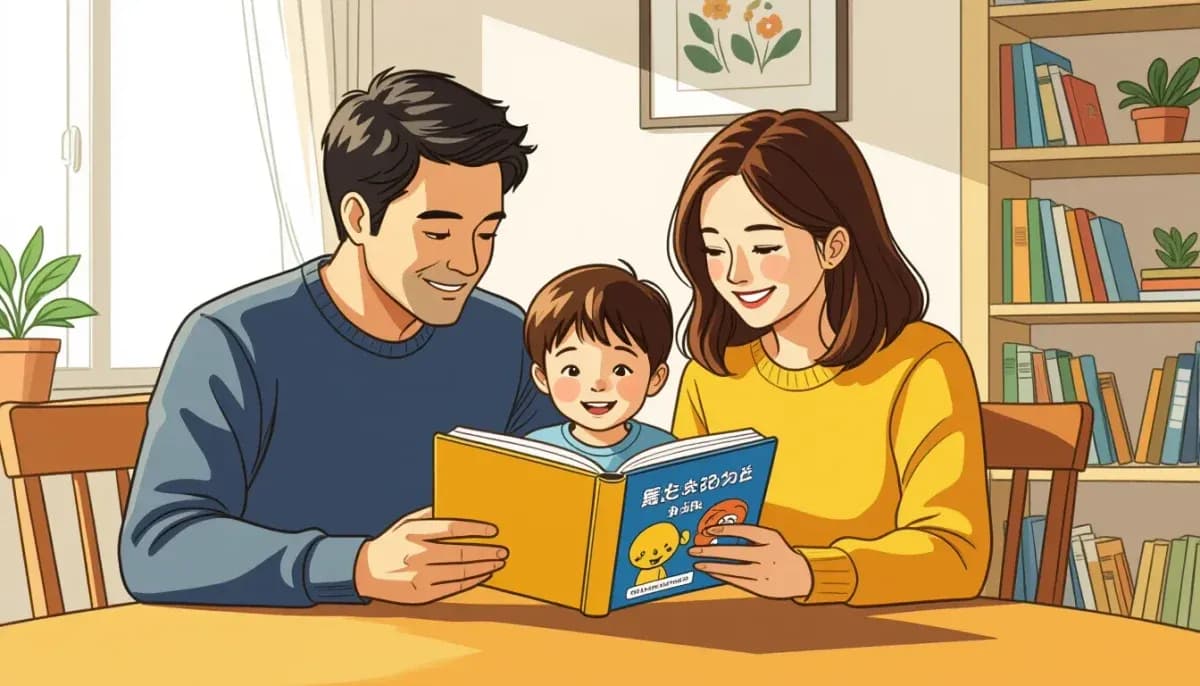
Discover proven strategies to maintain your child's heritage language in Japan. From OPOL to weekend schools, research-backed tips for expat families raising bilingual kids.
Proven Strategies to Keep Heritage Language Alive in Japan
Raising children in Japan as a foreign family presents a beautiful but complex challenge: how do you nurture your child's connection to your home language and culture while they grow up immersed in Japanese society? Heritage language maintenance — keeping your mother tongue alive in your children — is one of the most meaningful gifts you can give them, yet it takes consistent effort and smart strategies to succeed.
With approximately 129,000 foreign students now attending Japanese public schools and around 70,000 foreign children requiring Japanese language instruction (a number that has doubled in the past decade), you are far from alone in this challenge. This guide brings together proven, research-backed strategies that expat families in Japan use to keep their heritage languages thriving alongside Japanese.
Understanding Why Heritage Languages Fade — and Why It Matters
Research from Sophia University and international language studies reveals a sobering reality: children can lose their first language within just two to three years after starting school in an immersive environment like Japan. Even more striking, vocabulary divergence between heritage speakers and monolinguals begins as early as age 5 years and 7 months — underscoring how early you need to start.
The consequences of losing a heritage language go far beyond communication. Language is deeply tied to cultural identity, family bonds, and future opportunities. A child who loses their mother tongue may struggle to communicate with grandparents, feel disconnected from half of their cultural identity, and miss out on significant career advantages later in life.
Conversely, successfully bilingual children enjoy cognitive benefits, stronger family relationships across cultures, and — particularly relevant in Japan — competitive advantages in university admissions through specialized returnee student exam tracks that recognize and reward bilingual competence.
For broader context on raising children in Japan's education system, see our complete guide to the Japanese education system for foreign families.
The Two Core Strategies: OPOL and ML@H
Language experts and experienced expat families consistently point to two foundational strategies for heritage language maintenance:
One Parent, One Language (OPOL)
The most widely used approach for bilingual families: each parent speaks exclusively their native language with the child. If you are an English-speaking parent in a Japanese-English household, you always speak English to your child — even in public, even when your child responds in Japanese.
Why it works: OPOL creates clear, predictable language boundaries that children naturally respect. Research shows it is most effective when parents are consistent and when there is sufficient daily exposure to the heritage language.
Challenges: In Japan, where Japanese becomes dominant quickly through school and peer pressure, English (or your heritage language) can feel "foreign" at home. Children may resist. The key is making heritage language communication feel natural, loving, and non-pressured.
Minority Language at Home (ML@H)
In this approach, both parents agree to use the heritage language at home — even if one parent's first language is Japanese. This dramatically increases the child's daily exposure to the minority language.
Why it works: Since school provides abundant Japanese input, the home becomes a dedicated heritage language zone. Research consistently shows this produces stronger heritage language outcomes, especially for literacy.
Which to choose: OPOL works well when both languages have roughly equal daily exposure. ML@H is particularly effective in Japan, where Japanese dominates outside the home. Many families in Japan prefer ML@H precisely because it counterbalances the overwhelming Japanese input from school, friends, and media.
For families navigating bilingualism alongside Japanese schooling, see our dedicated guide on raising bilingual children in Japan.
Daily Practices That Make the Biggest Difference
Beyond choosing a framework, day-to-day habits determine whether heritage language maintenance succeeds or fails. Research and experienced expat families consistently highlight these practices:
Reading Together Every Day
Daily read-aloud sessions of at least 15 minutes are consistently cited as the single most impactful practice for heritage language development. Reading builds vocabulary, literacy skills, and creates positive associations with the heritage language.
Practical tips:
- Build a home library in your heritage language — children's books, picture books, early readers, chapter books
- Visit your home country's cultural center or library in Japan for free borrowing
- Use series books to keep children engaged and asking for more
- Read to children even after they can read independently — it remains valuable through elementary school
Heritage Language Media and Entertainment
Make the heritage language fun by surrounding children with it through entertainment. Children learn language unconsciously through enjoyment:
- Stream TV shows, cartoons, and movies in your heritage language
- Create Spotify playlists of children's songs from your home culture
- Use educational apps and games in the heritage language
- Subscribe to children's magazines or audiobook services from your home country
Storytelling and Family History
Share family stories, traditions, and cultural knowledge in your heritage language. Stories about grandparents, family history, and home country create emotional stakes — your child learns the language because they want to know more.
Weekend Schools and Community Language Programs
One of Japan's most valuable resources for heritage language families is the network of hoshuu jugyoo-koo (補習授業校) — weekend supplementary schools that provide heritage language and academic instruction for foreign children living in Japan.
These schools, offered by various national communities across Japan, provide structured literacy instruction that is extremely difficult to replicate at home. Research specifically identifies school-based heritage language support as a key predictor of long-term maintenance success.
| Type | Languages Available | Typical Schedule | Cost |
|---|---|---|---|
| Japanese government-approved hoshuu schools | Japanese | Weekends | Varies |
| National community weekend schools | English, Korean, Chinese, Portuguese, etc. | Weekends | ¥20,000–¥60,000/year |
| International schools | English, French, German, etc. | Full-time | ¥2–3 million/year |
| Private tutors/language classes | Most languages | Flexible | ¥3,000–¥8,000/hour |
| Online heritage language classes | Most languages | Flexible | ¥2,000–¥6,000/hour |
For families considering full-time international schooling as a heritage language strategy, our international schools in Japan guide covers costs, enrollment, and what to expect.
For more information on bilingual education options, Living in Nihon's guide to raising children in Japan offers a comprehensive overview of educational pathways available to foreign families.
Home Environment: Creating a Heritage Language Space
Your home environment powerfully shapes which language your child reaches for automatically. Make heritage language use the natural default:
Physical environment:
- Label household objects in your heritage language
- Display heritage language books, artwork, and cultural objects prominently
- Post heritage language letters, poems, or vocabulary on the refrigerator or bathroom mirror
Communication habits:
- Set rules about language use at mealtimes (heritage language only at dinner)
- Create heritage language "zones" or times in the day
- Respond only in the heritage language when children address you in that language
Technology management:
- Set device language settings to your heritage language
- Curate streaming content in the heritage language
- Use heritage language apps for schoolwork support
Emotional connection:
- Frame heritage language as a special skill and family treasure, not an obligation
- Celebrate milestones in both languages
- Connect language use to beloved relatives — "This is how we talk to Grandma"
Building a Heritage Language Community in Japan
Research on heritage language maintenance consistently identifies community connections as a major predictor of success. Children who see peers using the heritage language naturally integrate it into their social identity.
Finding and building community:
- Connect with expat parent groups on Facebook, Meetup, or InterNations specific to your nationality
- Join cultural organizations tied to your home country's embassy or consulate
- Organize heritage language playdates for your children
- Participate in cultural festivals, national day events, and community gatherings
Even a small community of 3-5 families who meet regularly can make a profound difference. When children see that the heritage language connects them to friends — not just parents — their motivation shifts dramatically.
For families navigating the emotional side of raising children between cultures, our guide on cultural identity for hafu and mixed-race children in Japan addresses identity challenges that multilingual children often face.
For practical support from other expat parents, Family Life in Japan from For Work in Japan provides community resources and guidance for foreign families settling in Japan.
Visits to the Home Country: The Power of Immersion
Research specifically identifies "Holiday" — visits to the home country — as a statistically significant predictor of heritage language vocabulary scores. Immersive visits accomplish in weeks what months of at-home practice can struggle to achieve.
Making visits count linguistically:
- Prioritize time with grandparents, cousins, and family friends
- Enroll children in local summer programs or day camps during extended stays
- Give children age-appropriate responsibilities that require heritage language use (ordering food, asking directions)
- Encourage correspondence with relatives in the heritage language between visits — letters, video calls, voice messages
Even annual visits of two to four weeks noticeably strengthen heritage language maintenance, particularly for oral fluency and cultural familiarity.
Navigating Resistance: When Children Push Back
Almost every multilingual family in Japan faces a period when children resist speaking the heritage language. This is normal, typically peaking between ages 7-12 when peer pressure and desire to fit in intensifies. How you respond in this period significantly shapes long-term outcomes.
Effective approaches:
- Stay consistent without making language a battleground — forced language use breeds resentment
- Increase community exposure so peers model the heritage language as cool and valuable
- Connect the language to concrete rewards the child values (being able to watch certain shows, communicate with loved relatives, travel independently someday)
- Acknowledge the child's feelings without backing down from your language strategy
- Remind them that bilingualism is a skill most Japanese peers will envy
The Savvy Tokyo guide on raising multicultural children in Japan offers personal perspectives on navigating these cultural tensions with empathy and consistency.
Research from Japan Today on 16 tips for raising bilingual children in Japan also provides practical strategies from parents who have navigated this journey successfully.
Literacy: The Key to Long-Term Maintenance
Oral fluency alone is fragile — children who cannot read and write in their heritage language often lose speaking ability as well once immersed in a different script environment. Heritage language literacy is both harder to maintain and more valuable to preserve.
Strategies for heritage language literacy:
- Begin reading instruction in the heritage language early, ideally before or alongside Japanese literacy instruction
- Use weekend schools specifically for heritage language reading and writing
- Make reading homework in the heritage language a daily non-negotiable
- Provide age-appropriate homework help in the heritage language so children associate academic thinking with both languages
Children who develop heritage language literacy are dramatically better positioned to maintain the language into adulthood. They also qualify for bilingual career paths, international education opportunities, and — in Japan specifically — specialized university entrance examinations designed for returnee students.
Checklist: Heritage Language Maintenance Plan
Use this checklist to evaluate and strengthen your family's heritage language strategy:
- [ ] Chosen a clear language strategy (OPOL or ML@H) and communicated it to caregivers
- [ ] Daily read-aloud sessions of 15+ minutes in heritage language
- [ ] Heritage language media (TV, music, apps) set up and regularly used
- [ ] Home library in heritage language established and growing
- [ ] Weekend heritage language school researched or enrolled
- [ ] Heritage language community connections established
- [ ] Annual home country visit planned
- [ ] Heritage language literacy instruction underway
- [ ] Family members and caregivers aligned on language strategy
- [ ] Language resistance plan ready for the school-age pushback phase
Conclusion
Keeping a heritage language alive in Japan is one of the most rewarding and demanding commitments a parent can make. The evidence is clear: early, consistent, structured approaches work. Every book read aloud, every consistent conversation, every community connection, and every home country visit strengthens the roots that will nourish your child's bilingual identity for a lifetime.
Japan's environment is challenging — but not insurmountable. Families who approach heritage language maintenance with intention, flexibility, and community support consistently succeed in raising genuinely bilingual, bicultural children who are proud of everything that makes them unique.
For more on supporting your child's development in Japan, explore our guides on teaching Japanese to foreign children, mental health and emotional wellbeing for foreign children in Japan, and our pillar guide to heritage language maintenance for children in Japan.

Originally from Vietnam, living in Japan for 16+ years. Graduated from Nagoya University, with 11 years of professional experience at Japanese and international companies. Sharing practical information for foreign parents raising children in Japan.
View Profile →Related Articles
Heritage Language and Cultural Identity Connection
How to maintain your heritage language and build cultural identity for children in Japan. Practical strategies for multicultural families navigating bilingualism and dual identity in Japan.
Read more →
Summer Trips Abroad for Heritage Language Immersion
Discover how summer trips abroad can powerfully boost your child's heritage language in Japan. Research-backed strategies, program types, and planning tips for expat families.
Read more →
How to Assess Your Child's Heritage Language Level
Learn practical methods to assess your child's heritage language proficiency level in Japan. Includes home tests, formal assessments, proficiency frameworks, and action steps for bilingual families.
Read more →
Balancing Japanese and Heritage Language Time
Learn how to balance Japanese and heritage language time for your children in Japan. Practical strategies, daily routines, and time allocation frameworks for bilingual families.
Read more →
Heritage Language Books and Media Resources for Kids
Discover the best heritage language books and media resources for kids in Japan. From classic Japanese picture books to streaming shows and apps, help your child stay connected to their mother tongue with our curated guide for bilingual families.
Read more →
Community Groups for Heritage Language Practice in Japan
Discover the best community groups, Saturday schools, and online resources for heritage language practice in Japan. A practical guide for multilingual and bilingual families raising children in Japan.
Read more →