
ADHD Management and Support for Children in Japan

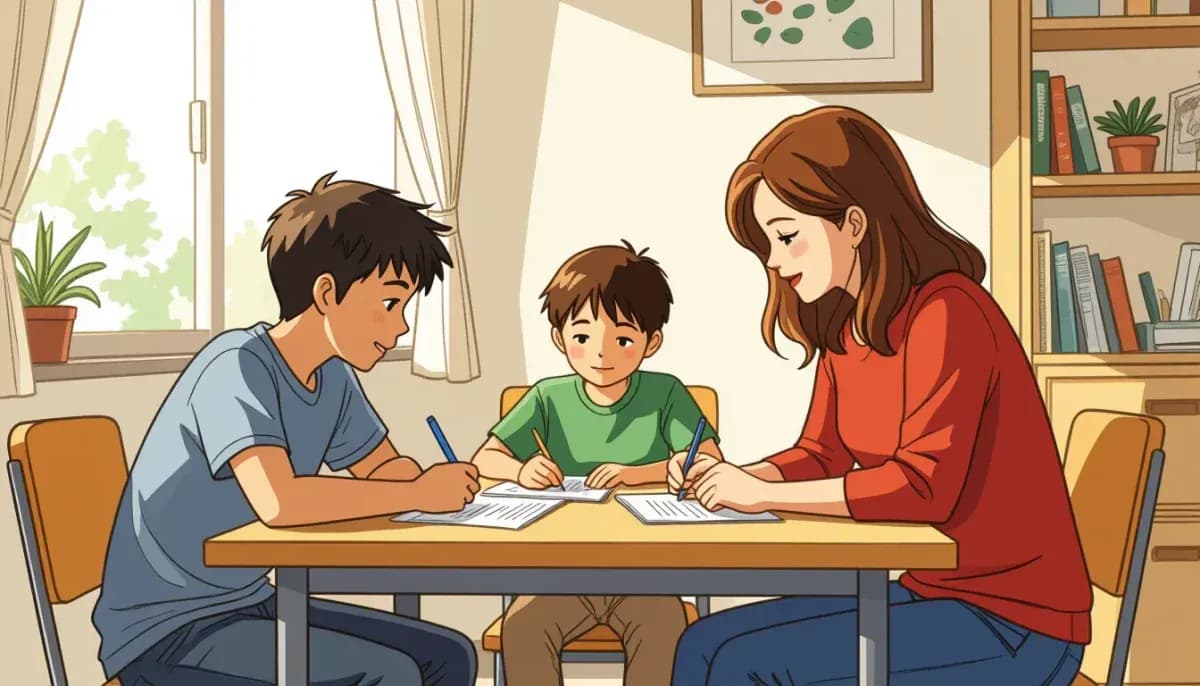
Complete guide to ADHD management and support for children in Japan: diagnosis, school accommodations, approved medications, behavioral therapy, financial benefits, and practical tips for expat families.
ADHD Management and Support for Children in Japan
Raising a child with ADHD anywhere comes with challenges, but doing so in Japan as a foreign parent brings a unique layer of complexity. From navigating a healthcare system with significant language barriers to understanding how Japan's school support framework operates — and coping with a cultural landscape that still largely views ADHD through a lens of stigma — expat families often find themselves piecing together resources from multiple directions. This guide is designed to give you a comprehensive, practical overview of everything you need to know about ADHD management and support for children in Japan.
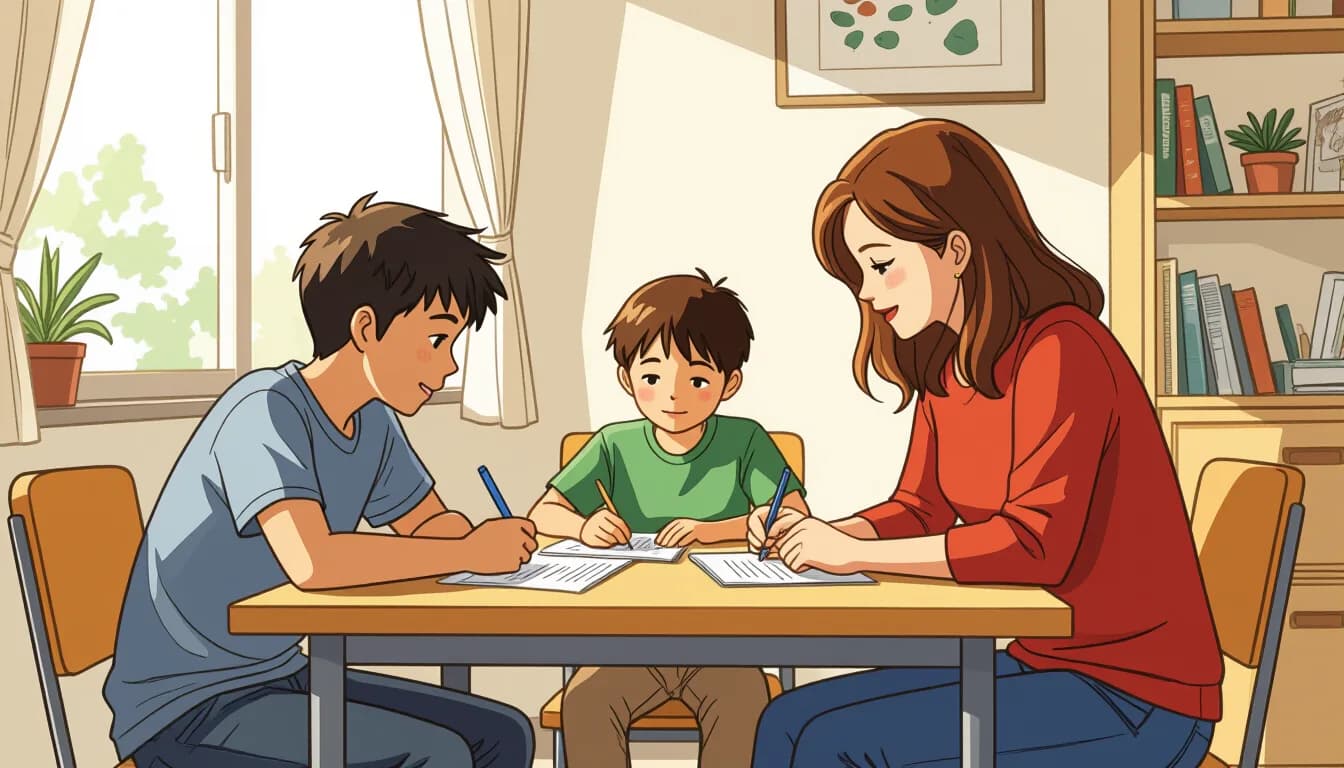
Understanding ADHD in the Japanese Context
ADHD (Attention Deficit Hyperactivity Disorder) affects approximately 5.8–6.5% of children in Japan, a prevalence rate consistent with global figures. Yet Japan remains significantly underdiagnosed compared to Western countries, largely because of cultural and social factors that suppress both recognition and help-seeking behaviour.
A 2012 government survey found that 6.5% of elementary and secondary students showed significant learning or behavior problems consistent with developmental disorders. Between fiscal years 2010 and 2019, 838,265 individuals received a new ADHD diagnosis in Japan — and the rate for school-age children increased 2.5-fold over that decade (3.7x for girls, 2.2x for boys). These numbers reflect growing awareness, but Japan's rigid academic culture and emphasis on group conformity still make ADHD symptoms particularly conspicuous.
Culturally, ADHD is often perceived as a parenting failure rather than a neurological condition. Families may face judgment from teachers, other parents, and even extended family. For foreign parents unfamiliar with this dynamic, it can come as a shock. Understanding this backdrop is essential before seeking diagnosis or school accommodations — knowing what you're navigating helps you advocate more effectively for your child.
For broader context on how Japan's education system works and where ADHD support fits in, see our guide: The Complete Guide to the Japanese Education System for Foreign Families.
Getting an ADHD Diagnosis in Japan
The first major hurdle is getting a formal diagnosis. In Japan, only psychiatrists (精神科医) are authorized to diagnose ADHD. General practitioners can refer families but cannot diagnose. This means you'll need to find and access a specialist, which can involve waiting lists of several months at public hospitals.
Types of Clinics to Look For
- 精神科クリニック (Psychiatric clinic) — General mental health and developmental disorders
- 発達障害専門クリニック (Developmental disorder specialist clinic) — Dedicated to autism, ADHD, and learning disabilities
- 児童精神科 (Child psychiatry) — Specialists focused specifically on children and adolescents
English-speaking clinics exist in Tokyo (Shibuya, Shinjuku areas), Yokohama, Kyoto, Osaka, Kobe, Nagano, Fukuoka, and Okinawa. TELL Japan (テル・ジャパン), a nonprofit mental health organization, offers English-language referrals to qualified clinicians across Japan — an invaluable starting point if you're not sure where to begin.
Diagnosis costs vary: with national health insurance, the consultation portion is covered at 30% copay; however, psychological testing (心理検査) may cost 10,000–50,000 yen out of pocket depending on the clinic and testing battery used. Ask about costs upfront.
For families dealing with broader healthcare questions, our article on Healthcare and Medical Care for Children in Japan covers insurance, hospital navigation, and how to find English-speaking doctors.
Japan's Three-Tier School Support System
Once a diagnosis is in hand, understanding what the Japanese public school system can offer is the next step. Japan operates a three-tier special needs support framework within regular public schools:
| Tier | Setting | Description | Eligibility |
|---|---|---|---|
| Tier 1 | Regular classroom | Team teaching, differentiated instruction, small-group work | All students; no formal diagnosis required |
| Tier 2 | Resource room (通級指導教室) | Pull-out sessions several times per week for targeted skill support | ADHD, autism, speech/language impairment, learning disabilities |
| Tier 3 | Special needs class (特別支援学級) | Separate class capped at 8 students; full-time specialized instruction | More significant support needs; requires formal assessment |
Resource rooms (通級) are the most commonly used option for ADHD children who can otherwise manage in a regular classroom. Children attend their regular homeroom class for most of the school day but leave several times per week for targeted social skills training, behavioral strategies, and academic support tailored to their profile.
Special needs classes (特別支援学級) are present in approximately 62% of Japanese public schools. These classes offer more intensive support and smaller environments, which can reduce sensory overload and behavioral challenges for children with significant ADHD symptoms.
Since 2008, Japanese law has required schools to prepare individual education support plans (個別の教育支援計画) for children with developmental disorders. However, a 2015 Ministry survey found that more than half of schools were not actually creating these plans — so it's worth explicitly requesting one from your child's school principal.
For details on the elementary school experience specifically, see: Elementary School in Japan: A Complete Guide for Foreign Parents.

ADHD Medication in Japan: What's Approved and What Isn't
Japan has an approved set of ADHD medications, but several commonly used Western medications are unavailable or outright banned. This is one of the most practically important things for expat families to understand before relocating.
Approved Medications
| Medication | Brand Name in Japan | Type | Notes |
|---|---|---|---|
| OROS-methylphenidate | Concerta | Stimulant | Extended-release; requires narcotic prescription card |
| Atomoxetine | Strattera | Non-stimulant | First-line for many children; no narcotic card needed |
| Lisdexamfetamine | Vyvanse | Stimulant | Approved in Japan; narcotic card required |
| Guanfacine ER | Intuniv | Non-stimulant | Alpha-2 agonist; often used alongside other meds |
Not Available in Japan
- Immediate-release methylphenidate (Ritalin IR) — not approved for ADHD (approved only for narcolepsy)
- Adderall / mixed amphetamine salts — completely banned under Japan's Narcotics Control Act
- Dexamphetamine — also banned
Stimulant prescriptions require a narcotic prescription card (麻薬処方箋) and monthly psychiatry appointments to refill. This creates a significant administrative burden for families with ADHD children already managing a packed schedule.
Bringing Medication into Japan
If your child is currently taking medication and you're relocating to Japan:
- Obtain a Yakkan Shomei (薬監証明) — an import certificate issued by Japan's Ministry of Health, Labour and Welfare
- Prepare a letter from your child's prescribing doctor confirming the diagnosis and medication need
- Submit the application at least 10 business days before travel
- A one-month supply may be brought without prior permission for non-controlled substances; controlled stimulants require the Yakkan Shomei regardless of quantity
For more on Japan's regulatory environment affecting foreign families, see: Visa and Legal Issues for Foreign Families with Children in Japan.
Behavioral and Therapeutic Support Options
Japan's official clinical guidelines (updated 2022) recommend behavioral/psychosocial therapies as first-line treatment, with medication as a second-line or adjunct intervention. This reflects both professional consensus and cultural preference for non-pharmacological approaches.
Therapy and Behavioral Support
- Parent training programs — Structured programs like Positive Parenting Program (Triple P) and Well Parent Japan teach parents behavioral management strategies. Research published in BMC Psychology (2022) confirmed the Well Parent Japan program significantly reduced parent stress and improved child behavioral outcomes in Japanese families.
- Social skills training (ソーシャルスキルトレーニング/SST) — Often offered at resource rooms and developmental disability support centers; teaches children communication, turn-taking, and emotional regulation
- Occupational therapy (作業療法) — Available at some clinics and hospitals; helps with sensory processing, fine motor skills, and daily living tasks
Community Support Centers
Every prefecture has a 発達障害者支援センター (Developmental Disability Support Center) — a government-mandated resource that provides free assessments, consultations, and referrals. These centers are an often-overlooked entry point for families navigating the system. Services are typically available in Japanese only, so bringing a bilingual friend, a language app, or a professional interpreter is advisable.
Litalico Junior (りたりこジュニア) is a well-known private after-school support program for children with developmental disorders. It offers individualized and group sessions in a structured environment. Sessions are conducted in Japanese, but the staff are experienced with diverse learning profiles.
For related support on your child's mental and emotional wellbeing, see: Mental Health and Emotional Wellbeing for Foreign Children in Japan.
Financial Support and Benefits
Families of children with diagnosed ADHD in Japan may qualify for several forms of financial assistance — though accessing these benefits requires persistence and paperwork.
| Benefit | Japanese Name | Description |
|---|---|---|
| Disability Basic Pension | 障害基礎年金 | Monthly payment for significant disability; requires formal assessment |
| Special Child Allowance | 特別児童扶養手当 | Monthly allowance for parents of children with moderate to severe disabilities |
| Disability Welfare Allowance | 障害児福祉手当 | For children with severe disabilities living at home |
| Medical expense assistance | 自立支援医療 | Reduces copay for psychiatric treatment to 10% or 0% |
The 自立支援医療 (Jiritsu Shien Iryo) program is particularly useful — it covers outpatient psychiatric treatment and can dramatically reduce the cost of ongoing therapy and psychiatry visits. Apply at your local ward or municipal office (市区町村役場) with a copy of your child's diagnosis.
For more on financial support available to expat families, see: Government Benefits and Subsidies for Families in Japan.
Practical Tips for Daily Life and School Navigation
Managing ADHD daily in Japan requires adapting strategies to the local environment.
At school:
- Request a meeting with the classroom teacher (担任の先生) and school counselor (スクールカウンセラー) as soon as possible after a diagnosis
- Explicitly ask for an individual education support plan (個別の教育支援計画)
- Ask whether your child qualifies for resource room (通級) services
- International schools generally accept children with ADHD on a case-by-case basis — contact admissions directly rather than relying on public information
At home:
- Establish extremely predictable routines — Japanese daily life is already highly routine-oriented, which can be leveraged to help ADHD children thrive
- Use visual schedules and timers (タイマー法); these are also used in Japanese educational settings
- Limit transitions by planning outings with clear endpoints and break periods
Finding community:
- Connect with expat parent groups (Facebook groups like "Gaijin Mamas Japan" or city-specific parenting groups) where other parents can share clinic recommendations and school experiences
- GaijinPot's guide to ADHD in Japan provides an excellent overview of navigating the system as a foreigner
- The Tokyo Chapter's guide for neurodivergent families offers day-to-day practical strategies specific to the Tokyo area
For information on after-school learning and enrichment options, see: After-School Activities, Juku, and Extracurriculars in Japan.
Useful Resources and External Links
Navigating ADHD in Japan is much easier with good sources of information. Here are the resources we recommend:
- Living in Nihon — Expat Life in Japan — Broad resource for foreigners living in Japan, covering education, healthcare, and daily life
- For Work in Japan — Foreign Worker Guide — Practical guidance for foreign workers navigating Japanese systems
- Chuukou Benkyou — Study Support — Academic support resources for Japanese middle and high school students
- Savvy Tokyo — Special Needs Education in Japan — Comprehensive overview of Japan's three-tier system
- ANZMH — Support for ADHD and LD Children in Japan — Detailed breakdown of legislative frameworks and real-world gaps
- PMC Research — ADHD Trends in Japan 2010–2019 — Peer-reviewed epidemiological data on ADHD diagnosis trends
Conclusion
Managing ADHD in Japan as a foreign parent is challenging, but far from impossible. The key is knowing which levers to pull: locating an English-capable psychiatrist, understanding what school accommodations to request and how to ask for them, navigating Japan's particular medication landscape, and connecting with the expat community to share real-world knowledge. Japan's support infrastructure for children with developmental disorders has grown significantly over the past decade — the tools are there if you know where to look.
With the right support in place, children with ADHD can thrive in Japan's school system, form strong friendships, and build the resilience that comes from navigating a cross-cultural upbringing. Your advocacy as a parent makes all the difference.
For more on raising children with unique needs in Japan, explore our related guides on bullying prevention in Japanese schools and making friends and developing social skills in Japan.

Originally from Vietnam, living in Japan for 16+ years. Graduated from Nagoya University, with 11 years of professional experience at Japanese and international companies. Sharing practical information for foreign parents raising children in Japan.
View Profile →Related Articles
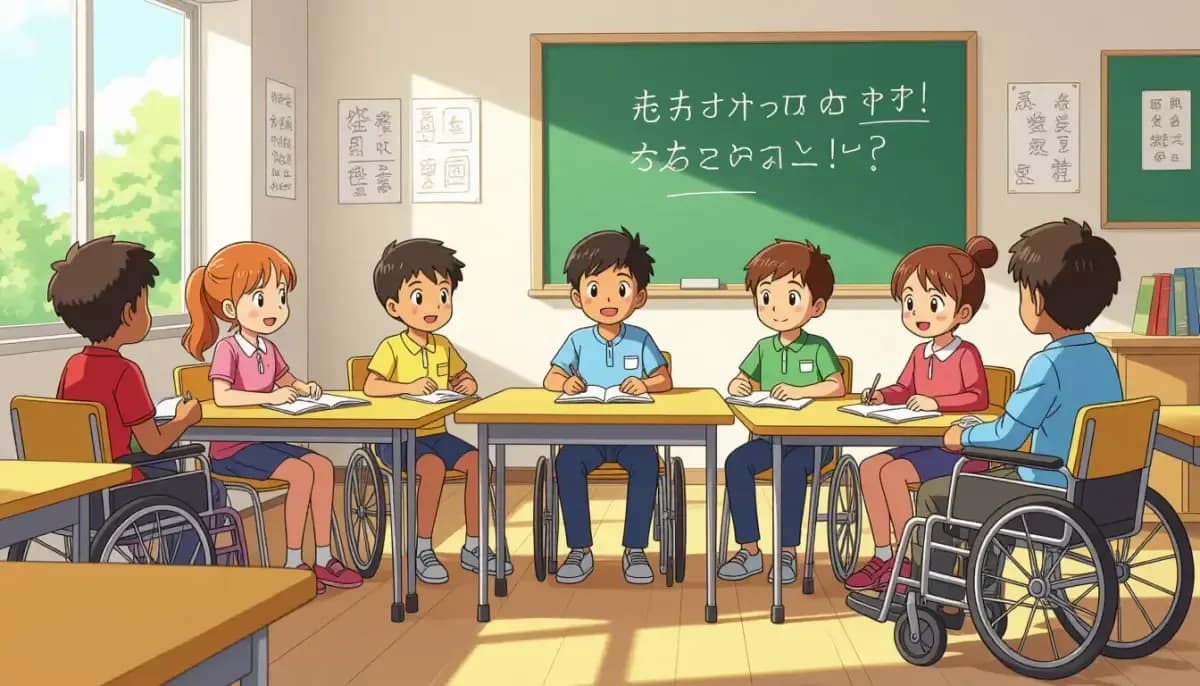
Inclusive Education Movement and Progress in Japan
Discover the state of inclusive education in Japan — from legal frameworks and school options to UN criticism and practical advice for foreign families with children with disabilities.
Read more →
English-Language Special Needs Resources in Japan
A complete guide to English-language special needs resources in Japan for expat families, covering education support, therapy services, disability certificates, financial aid, and parent communities.
Read more →
Advocating for Your Special Needs Child in Japanese Schools
A complete guide for foreign parents on navigating Japan's special needs education system — from understanding the three-tier support structure to effective advocacy strategies, English-language resources, and financial assistance.
Read more →
Therapy and Intervention Services for Children in Japan
Complete guide to therapy and intervention services for children in Japan. Find English-language speech therapy, mental health support, and early intervention programs for expat families.
Read more →
Government Support and Benefits for Special Needs Families
Complete guide to government support for special needs families in Japan: disability certificates, cash allowances up to ¥58,450/month, healthcare subsidies, school support, and welfare services for foreign residents.
Read more →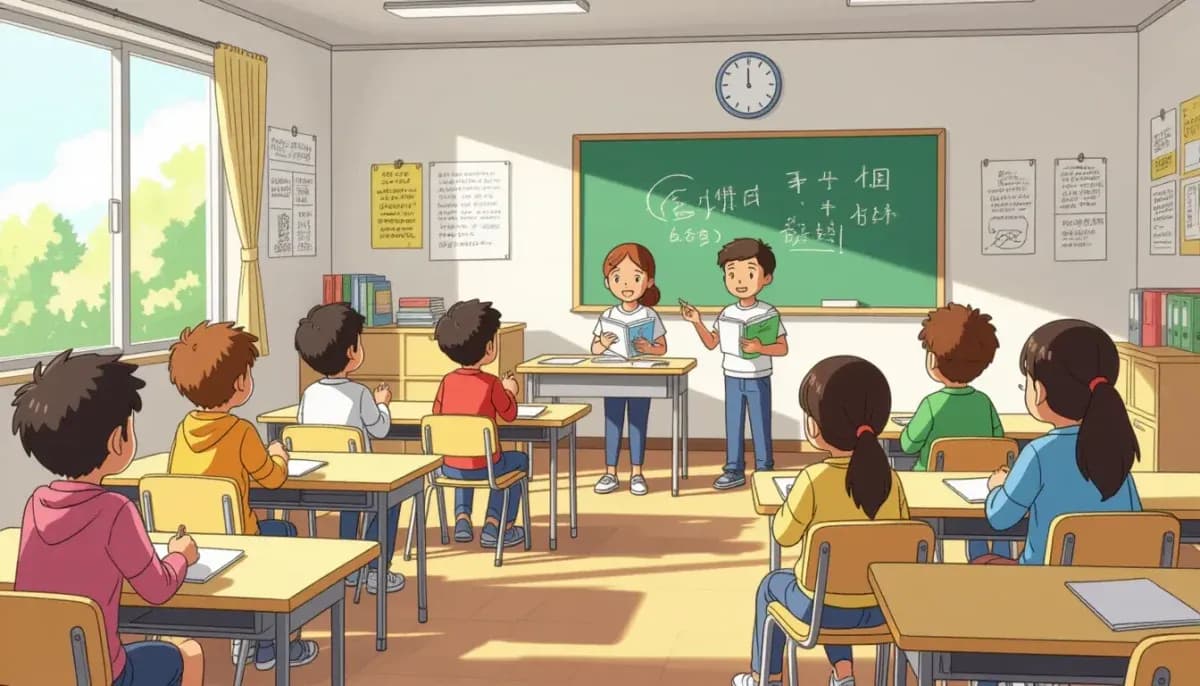
International Schools for Children with Special Needs
A complete guide to international schools and support services for children with special needs in Japan. Learn about inclusive schools, learning support teams, resources for expat families, and how to navigate the admissions process.
Read more →