
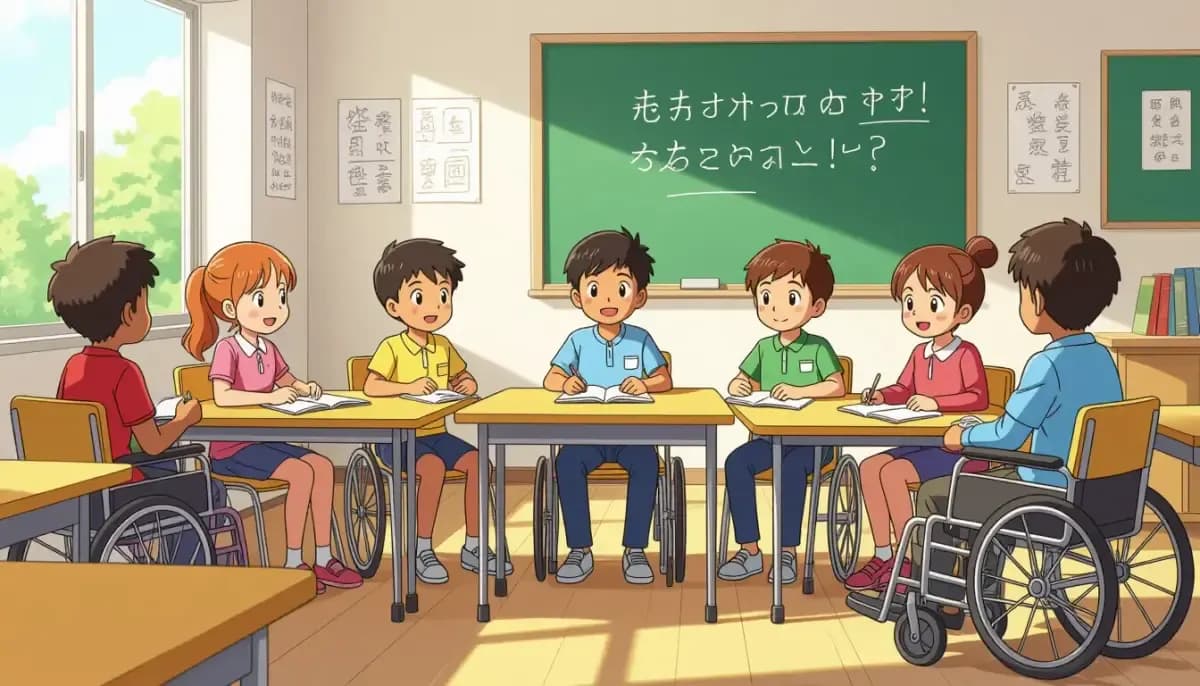
Inclusive Education Movement and Progress in Japan
Discover the state of inclusive education in Japan — from legal frameworks and school options to UN criticism and practical advice for foreign families with children with disabilities.
Read more →
A complete guide to special needs education and disability support for children in Japan. Learn how the system works, your rights, how to get a diagnosis, and English-language resources for expat families.
Navigating special needs education in Japan as a foreign parent can feel overwhelming — especially when you are still learning the language, the school system, and your rights. The good news is that Japan has a well-developed legal framework for special needs education and a genuine commitment to inclusive schooling. This guide explains exactly how the system works, what support your child is entitled to, and how to advocate effectively even without fluent Japanese.
Whether your child has autism spectrum disorder (ASD), ADHD, a learning disability, a physical disability, or a developmental delay, Japan's public school system has structured pathways to support them — and there are English-language resources to help you navigate every step.
Japan's approach to special needs education is governed by the Act for Supporting Persons with Disabilities (2012) and overseen by the Ministry of Education, Culture, Sports, Science and Technology (MEXT). The cornerstone of the policy is inclusive education: approximately 98% of children with special needs attend regular public schools rather than segregated facilities.
MEXT estimates that around 6.5% of school-age children may have some form of developmental disorder — including ADHD, autism spectrum disorder, and learning disabilities such as dyslexia. Many of these children are in regular classrooms with targeted additional support.
The system is structured into three tiers based on the level of support needed:
| Support Tier | Setting | Class Size | Best For |
|---|---|---|---|
| In-class support (通常学級) | Regular classroom | Standard (~30) | Mild support needs with peer integration |
| Resource room (通級指導教室 / tsukyu) | Pull-out sessions several times/week | Small group | ADHD, mild autism, speech/language delays |
| Special education class (特別支援学級 / tokubetsu shien gakkyu) | Separate class within regular school | Max 8 students | Moderate learning/developmental disabilities |
| Special needs school (特別支援学校 / tokubetsu shien gakko) | Dedicated institution | 6 per class (3 for multiple disabilities) | Severe disabilities, complex needs |
For most foreign families, the relevant options will be the resource room or the special education class at a local public school.
One of the most important things to know is that every child receiving special needs support in Japan is legally entitled to an Individual Education Support Plan (個別の教育支援計画, kobetsu no kyoiku shien keikaku). This document:
Every public school in Japan is required to appoint a special needs coordinator. This person is your main point of contact for all matters related to your child's educational support plan. As a foreign parent, you have every right to request that meetings be conducted with an interpreter present — contact your municipal board of education (教育委員会, kyoiku iinkai) to arrange this.
For a broader look at how public schools operate in Japan, see our guide to Elementary School in Japan for Foreign Parents.
The process of accessing special needs support in Japan typically begins with a referral and assessment, not with a self-diagnosis or a foreign diagnosis from your home country (though those can help speed things along).
Step 1: Visit your local Development Disability Support Center (発達障害者支援センター)
Every ward (ku) and municipality has a government-operated Development Disability Support Center. This is the official starting point. Staff can:
Many centers have staff with English capability or can arrange interpreters.
Step 2: Get a formal diagnosis
Japan uses the ICD-10 and DSM-5 diagnostic frameworks. Your child's diagnosis from a licensed psychologist or developmental pediatrician is the key document you will need when requesting school support. Diagnoses from qualified professionals abroad (e.g., the US, UK, Australia) are generally respected, though the school may still conduct its own educational assessment.
Step 3: Request school support
Once you have a diagnosis (or even a strong clinical recommendation), you can formally request support through the school principal and the special needs coordinator. The school is legally obligated to respond and to produce an Individual Education Support Plan.
For related information on accessing healthcare for your child, read our guide on Healthcare and Medical Care for Children in Japan.
One of the biggest hurdles for foreign families is the language barrier. Here are the key English-language organizations and resources available across Japan:
TELL Counseling Center TELL (Tokyo English Life Line) is the most established English-language mental health resource in Japan. Their services relevant to special needs include:
International Mental Health Professionals Japan (IMHPJ) IMHPJ maintains a searchable "Find a Therapist" directory of English-speaking mental health professionals across Japan, including those who specialize in childhood developmental issues.
Nishimachi International School (Tokyo) The US State Department publishes a special needs profile for Nishimachi International School in Tokyo, which is useful for families considering international school placement for children with support needs.
Savvy Tokyo Savvy Tokyo's guide to special needs education in Japan is one of the most comprehensive English-language resources available, covering the public school system, private alternatives, and support organizations in detail.
Tofugu Tofugu's deep dive into Japanese special education provides an excellent historical and cultural perspective on how Japan's special education system evolved and how it compares internationally.
For additional support on the emotional side of raising children in Japan as a foreign family, see our article on Mental Health and Emotional Wellbeing for Foreign Children in Japan.
While the public school system covers most children, some families choose private alternatives — either because they prefer English-medium instruction, want a more tailored approach, or because their child's needs are not well met in the mainstream public system.
Musashino Higashi Gakuen (武蔵野東学園) This well-known private school in Tokyo specializes in autism spectrum disorder using the "Daily Life Therapy" (生活療法) method developed by Dr. Kiyo Kitahara. The school integrates children with autism alongside neurotypical peers. Remarkably, 53% of Musashino Higashi's graduates go on to regular employment — a figure that reflects the school's intensive and holistic approach. The school accepts both Japanese and foreign students.
Montessori School of Tokyo The Montessori School of Tokyo offers English-language Montessori instruction and accepts children across a wide range of abilities, including those identified as gifted, as well as children with Asperger's syndrome or Down syndrome.
International Schools Many international schools in Japan have dedicated learning support departments and special educational needs (SEN) coordinators. The level of support varies significantly between institutions, so it is essential to ask specific questions about staff qualifications, Individual Education Plans, and what disabilities or learning differences the school can accommodate. For a full comparison of international school options, see our International Schools in Japan Guide.
| Metric | Figure | Notes |
|---|---|---|
| Children with special needs in regular public schools | ~98% | MEXT inclusive education policy |
| Share of school-age children with possible developmental disorders | 6.5% | MEXT estimate |
| Special needs schools in Japan (2023) | 1,178 | Up from 1,013 in 2007 |
| Special needs teachers | 45,000 | 2021 figure |
| Student-teacher ratio in special needs schools | 7.8:1 | vs. ~16:1 in regular schools |
| Max class size in special education classes | 8 students | Within regular school |
| Max class size in special needs schools | 6 (single disability) / 3 (multiple) | Per MEXT policy |
| Pre-primary enrollment for children with disabilities | 45% | Up from 30% in 2010 |
| Upper secondary graduation rate for special needs students | 85% | 2022 data |
For broader context on raising children in Japan as a foreign family, the Complete Guide to the Japanese Education System for Foreign Families is an excellent starting point.
For additional context on the overall school environment, see Living in Nihon's comprehensive guide for foreign families raising children in Japan, and check the support resources available at For Work in Japan and Chuukou Benkyou for supplementary educational guidance.
Japan's special needs education system is more robust than many foreign families expect. The legal framework is strong, inclusive education is genuinely practiced, and dedicated support mechanisms — from resource rooms to full special needs schools — exist at every level of severity. The main challenges for foreign families are language barriers and navigating an unfamiliar bureaucracy, but these are surmountable with the right resources and a proactive approach.
The key steps are: contact your local Development Disability Support Center, obtain a formal diagnosis, request an Individual Education Support Plan from your school's special needs coordinator, and connect with English-language support organizations like TELL. With the right knowledge and support network, you can ensure your child receives the education they deserve.
Discover the state of inclusive education in Japan — from legal frameworks and school options to UN criticism and practical advice for foreign families with children with disabilities.
Read more →
A complete guide to English-language special needs resources in Japan for expat families, covering education support, therapy services, disability certificates, financial aid, and parent communities.
Read more →
A complete guide for foreign parents on navigating Japan's special needs education system — from understanding the three-tier support structure to effective advocacy strategies, English-language resources, and financial assistance.
Read more →
Complete guide to therapy and intervention services for children in Japan. Find English-language speech therapy, mental health support, and early intervention programs for expat families.
Read more →
Complete guide to government support for special needs families in Japan: disability certificates, cash allowances up to ¥58,450/month, healthcare subsidies, school support, and welfare services for foreign residents.
Read more →
A complete guide to international schools and support services for children with special needs in Japan. Learn about inclusive schools, learning support teams, resources for expat families, and how to navigate the admissions process.
Read more →
A complete guide to Japan's special education classes (Tokubetsu Shien Gakkyu) for foreign families — how the system works, enrollment process, legal rights, and English-language resources.
Read more →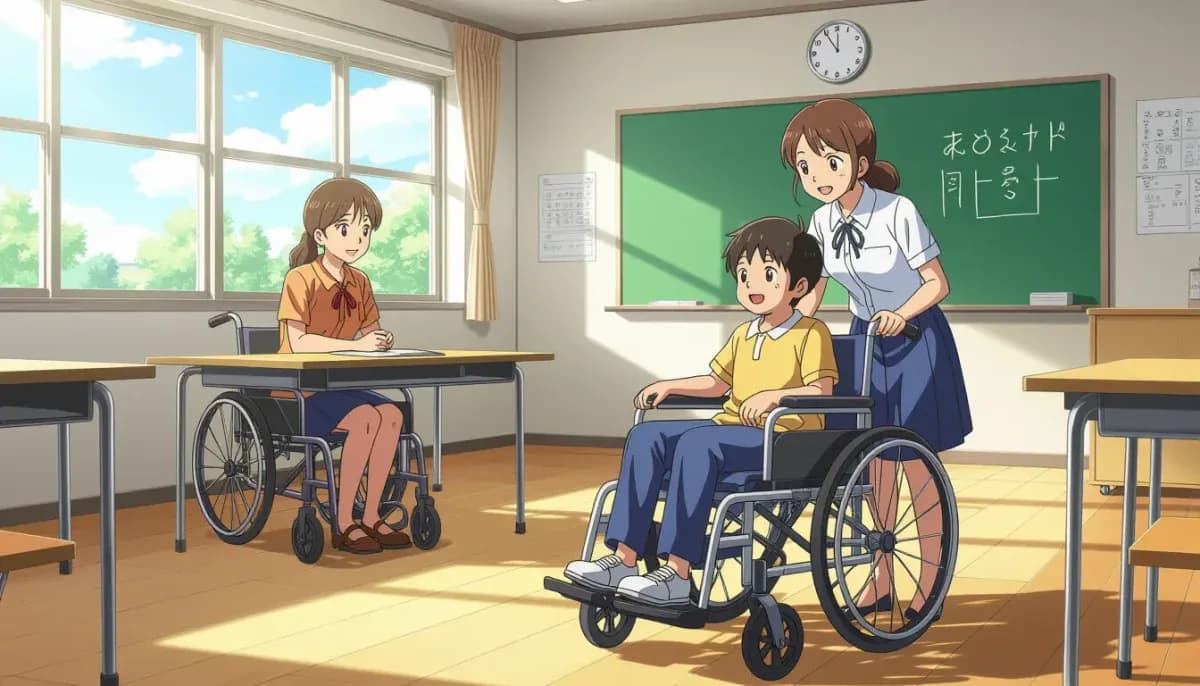
Complete guide for foreign parents on physical disability support in Japanese schools. Learn about school types, accessibility, how to apply for support, and English-language resources.
Read more →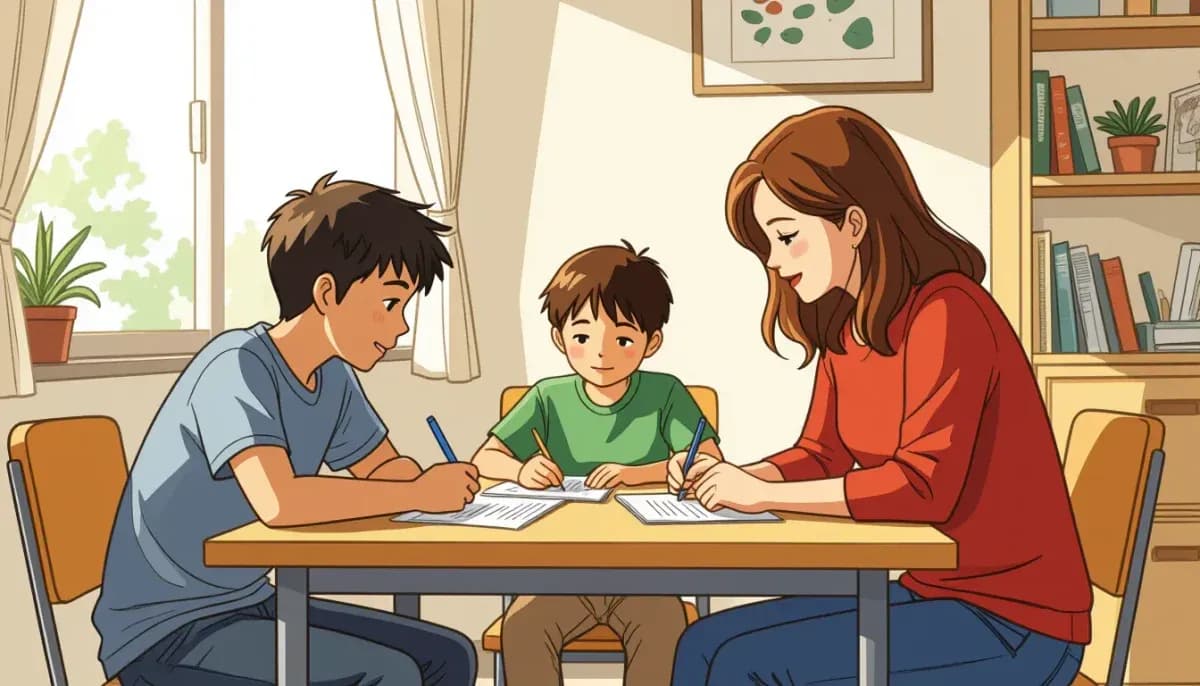
Complete guide to ADHD management and support for children in Japan: diagnosis, school accommodations, approved medications, behavioral therapy, financial benefits, and practical tips for expat families.
Read more →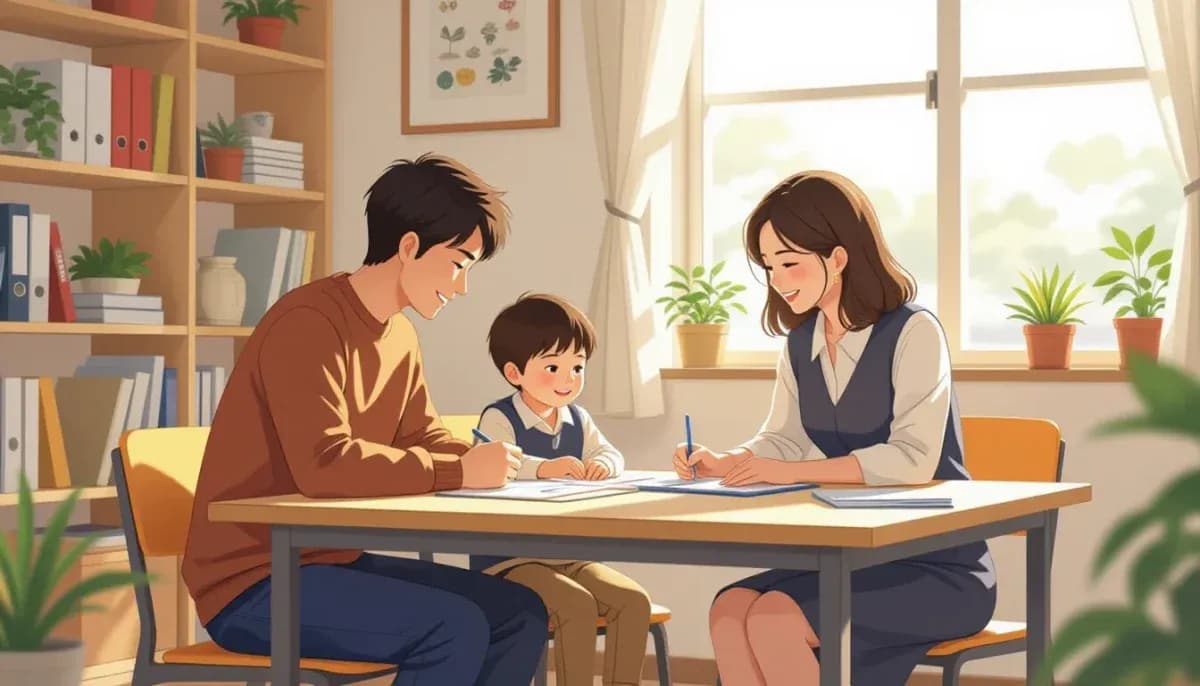
Everything foreign families need to know about autism spectrum support in Japan: diagnosis, schools, disability certificates, therapy services, medication rules, and English-language resources.
Read more →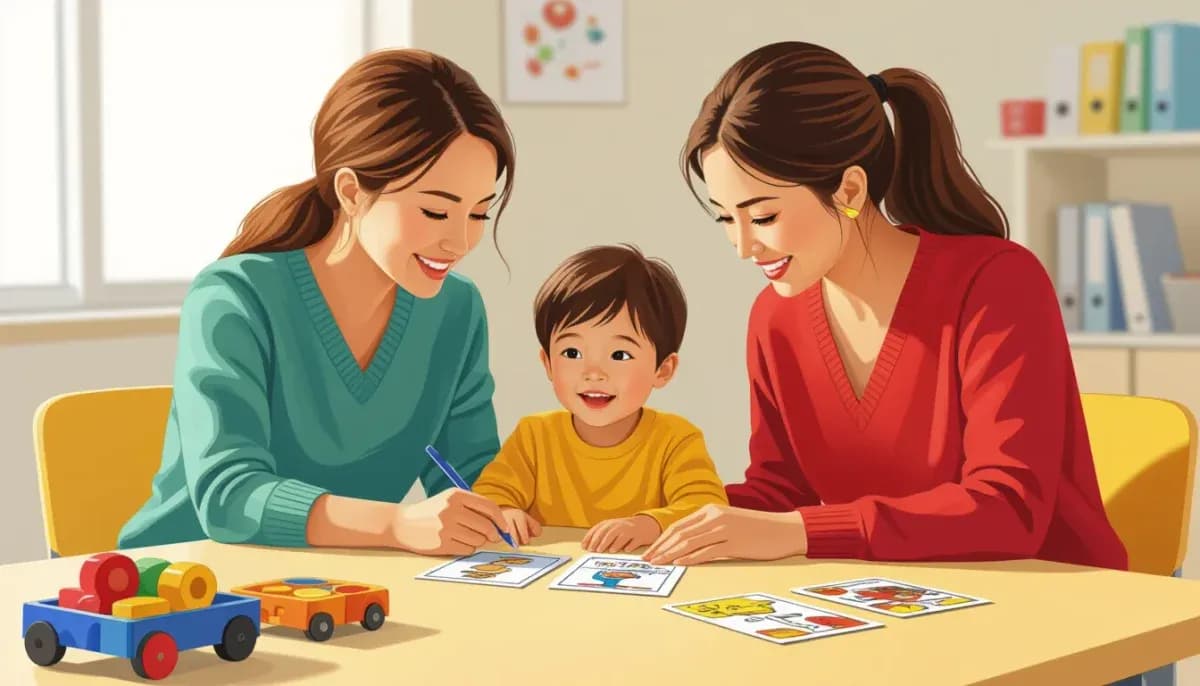
Find English-speaking speech therapy services for children in Japan. Covers providers, insurance, teletherapy options, and how to support your child's development as a foreign family.
Read more →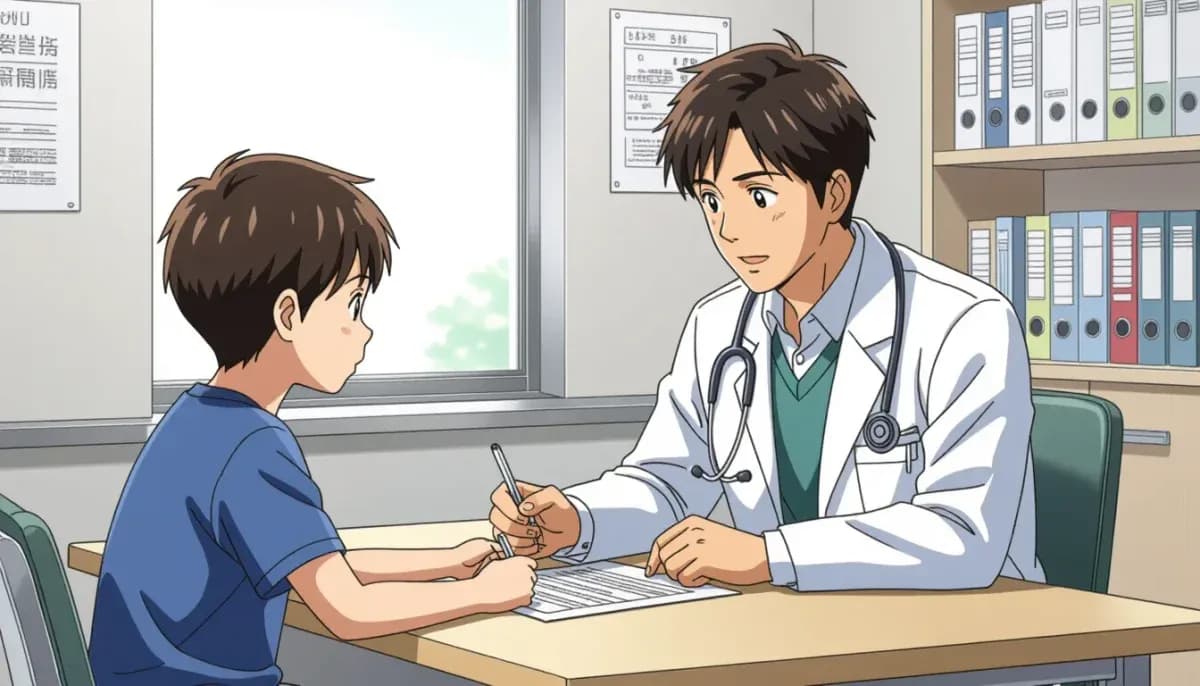
Complete guide for foreign families on diagnosing learning disabilities in Japan. Learn about psychiatrists, costs, disability certificates, school support, and English resources.
Read more →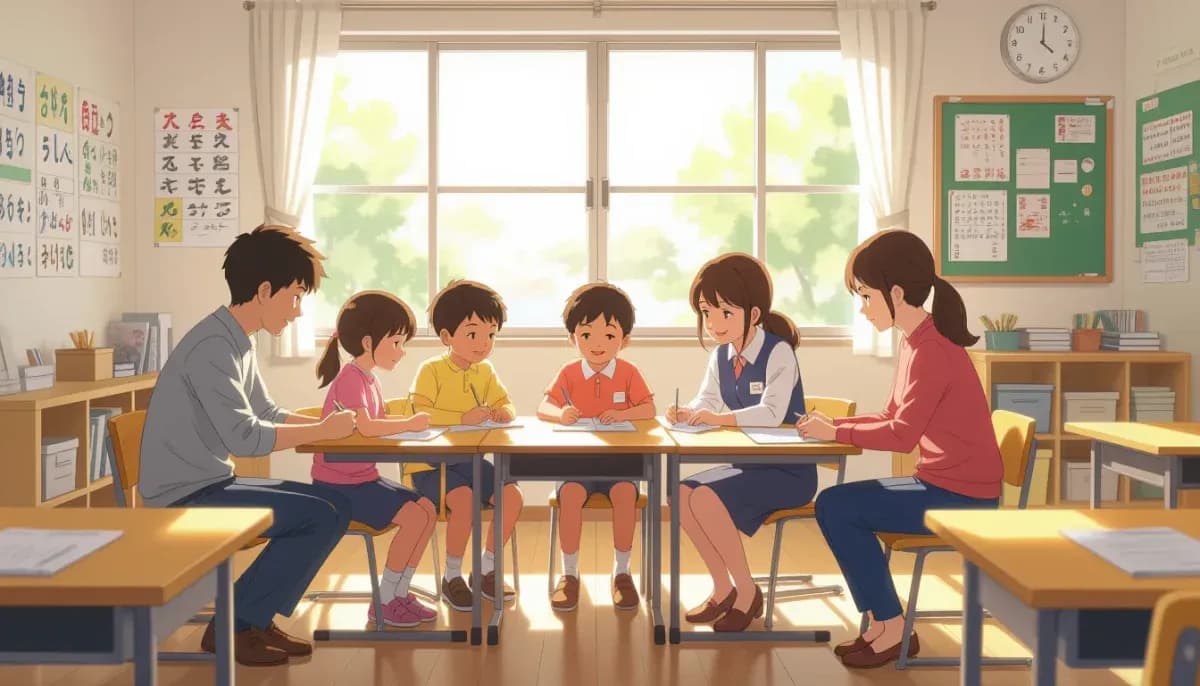
A complete guide for foreign parents on how special needs support works in Japanese public schools, how to enroll your child, and what resources are available for expat families.
Read more →