
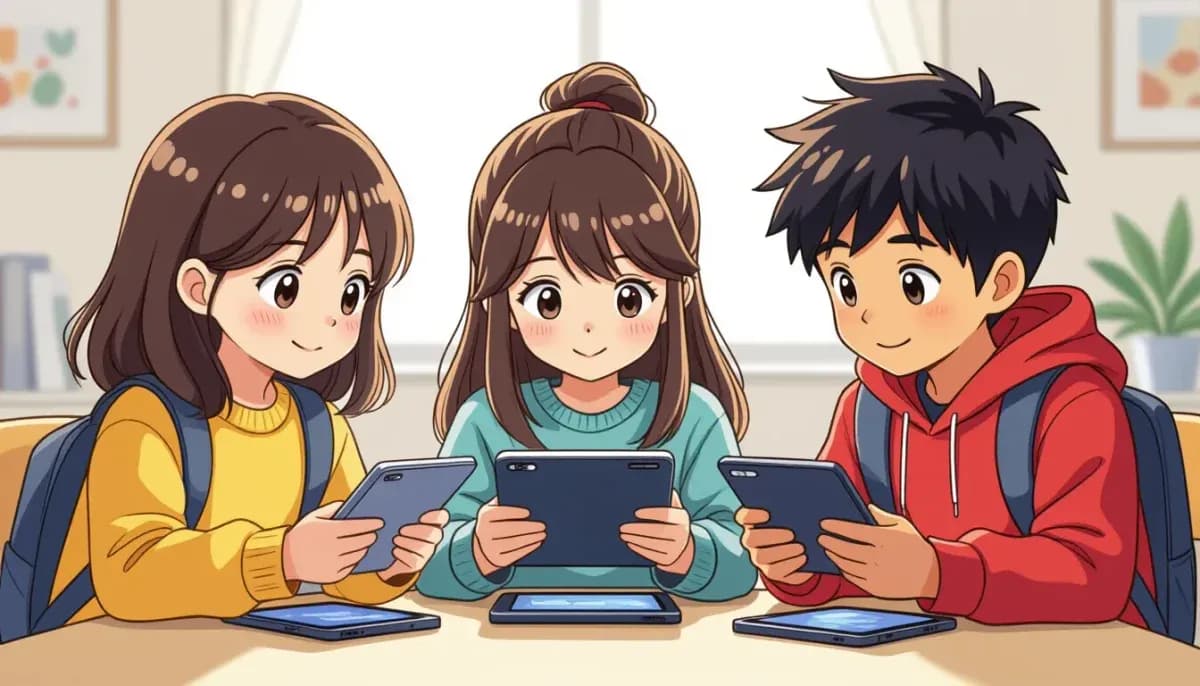
Impact of Technology on Child Development in Japan
A comprehensive guide for foreign parents on screen time, AI use, and digital education in Japan. Backed by Japanese research data and practical parenting tips for expat families.
Read more →
A complete guide for foreign families on managing screen time, online safety, and digital parenting in Japan — with statistics, laws, tips, and age-based recommendations.
Raising children in Japan in the digital age comes with a unique set of opportunities and challenges. Japan is one of the world's most connected nations — yet it also boasts one of the safest online environments for children globally. According to the Child Online Safety Index, only 24% of children in Japan are exposed to cyber risks, the lowest rate worldwide. Still, as smartphones, tablets, and social media become deeply embedded in everyday life, foreign families living in Japan need to understand the local digital landscape, school policies, and practical strategies to keep their children safe online.
Whether your child was born and raised in Japan or has recently moved there, this guide covers everything you need to know about managing screen time, online safety, and digital parenting in Japan.
Japan's children are among the most digitally connected in the world. Government survey data paints a vivid picture:
The most popular platforms among Japanese youth aged 10–19 are heavily concentrated around messaging and video:
| Platform | Usage Rate (Ages 10–19) |
|---|---|
| Line | 95.0% |
| YouTube | 94.3% |
| 72.9% | |
| TikTok | 70.0% |
| X (formerly Twitter) | 65.7% |
For expat and foreign families, these numbers are important context. Your child's Japanese classmates are deeply embedded in these platforms, and social integration often means navigating the same digital spaces — with all the risks that entails. For more on how digital life intersects with school, see our guide to Elementary School in Japan: A Complete Guide for Foreign Parents.
One of the most significant shifts in Japanese children's digital lives came from the government itself. In December 2019, Japan's Ministry of Education launched the GIGA School Initiative, providing one device per student and high-speed network infrastructure to schools nationwide. By March 2021, approximately 96% of schools had completed deployment.
This initiative dramatically accelerated digital integration in education. Children now use school-issued tablets for homework, research, and classroom activities from as early as elementary school. Phase 2 of the program (2024 onward) focuses on cloud environments, generative AI tools, and expanded teacher ICT training.
From 2025, the national university entrance exam has added "Information I" (情報Ⅰ) as a mandatory subject — a 60-minute, 100-point test covering:
This means digital literacy is no longer optional — it is a core academic requirement for students aiming for university. Parents of children in the Japanese school system should familiarize themselves with ICT education policies early. The team at Chuukou Benkyou has an excellent breakdown of how GIGA School and ICT education connect to university entrance exam preparation.
For a broader view of what the Japanese school system expects from students, see our Complete Guide to the Japanese Education System for Foreign Families.
Despite Japan's relatively safe online environment, risks are real and documented. Here is what parents need to be aware of:
Japan has seen well-publicized cases of cyberbullying linked to school avoidance and, tragically, at least two suicides in 2020 and 2022. Bullying on Line group chats and Instagram comment sections is the most common form.
Criminal exploitation of minors via social media — including grooming of elementary-age children — has been documented in Japanese police reports. The 2023 Penal Code revisions raised the age of consent and explicitly criminalized grooming behaviors.
Research published in PMC studied 12,130 elementary school students in grades 4–6 and found:
Key risk factors for PIU include:
Japanese police have documented cases of minors being recruited via social media for "yami baito" — shadow jobs often involving criminal activity. This is a growing concern for teenagers, particularly high school students on platforms like X and TikTok.
For families dealing with stress and behavioral issues related to digital life, our guide on Mental Health and Emotional Wellbeing for Foreign Children in Japan provides additional support resources.
Japan does not have a single national standard for screen time, but age-based guidelines widely referenced by pediatricians and school counselors align with global best practices:
| Age Group | Recommended Approach |
|---|---|
| 0–2 years | Avoid screens entirely (video calls with family excepted) |
| 2–5 years | Maximum 1 hour/day; high-quality, educational content only |
| 6–12 years | Balance screens with physical activity; set clear household rules |
| Teenagers | Moderation; integrate with exercise, hobbies, face-to-face interaction |
In October 2025, Toyoake City in Aichi Prefecture became the first municipality in Japan to pass an ordinance setting enforceable screen time guidelines:
While not a national law, this ordinance signals a growing governmental shift toward formalizing digital limits for children. Many schools across Japan have independently adopted similar guidelines.
Whether you are raising children in Japan as a foreign national or have just arrived, these practical steps can significantly reduce your child's online risks:
Children in Japan are taught these principles at school, but reinforce them at home:
For foreign families navigating Japanese carrier and SIM setup, resources at Living in Nihon and For Work in Japan provide practical guides for setting up mobile service in Japan.
Beyond rules and filters, the most effective protection is an ongoing conversation. Research consistently shows that children with no household screen rules have 1.22x higher risk of developing problematic internet use — but children who cannot talk openly with parents about online problems face much higher risks from exploitation and cyberbullying.
Here is how to build a digitally healthy household:
Model the behavior you want to see. Japanese school guidance repeatedly emphasizes that parents using phones at the dinner table or during family time undermine their own messaging.
Co-view content with younger children. Watching YouTube or playing mobile games together lets you understand what your child is consuming and opens natural conversations.
Stay connected with their school community. Japanese schools send home regular guidance (プリント) about digital safety and acceptable use policies. If you are struggling with Japanese-language materials, ask the school office if English versions are available — many urban schools provide this for foreign families.
Connect with the expat parent community. Digital parenting norms in Japan are generally stricter than in many Western countries. Understanding the local context helps you set expectations that make sense for your child's social environment. Our guide on Raising Bilingual Children in Japan covers more on balancing home culture with Japanese expectations.
For deeper reading on how the Japanese government is approaching child internet safety, Nippon.com's coverage provides excellent context. For parent tips specifically tailored to expat families, Japan Today has a practical roundup of advice.
Japan offers a relatively safe digital environment for children — but that safety requires active parenting. Here are the most important points to remember:
Raising digitally healthy children in Japan is entirely achievable. The combination of Japan's relatively protective legal environment, strong school guidance culture, and the practical tools available to parents makes it possible to let children benefit from technology while keeping risks managed. Start the conversation early, and revisit the rules as your child grows.
A comprehensive guide for foreign parents on screen time, AI use, and digital education in Japan. Backed by Japanese research data and practical parenting tips for expat families.
Read more →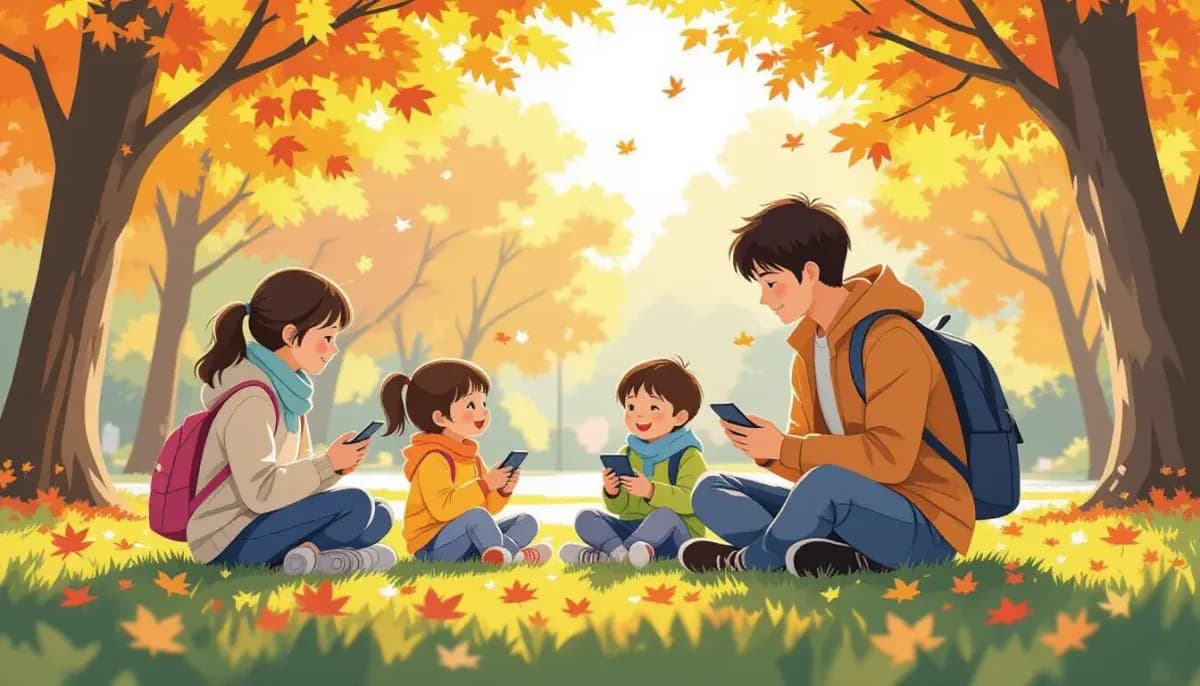
Practical guide for expat families on balancing screen time and outdoor play in Japan. Research-backed strategies, Japanese seasonal activities, and school-level tips for raising healthy, balanced children.
Read more →
Find the best English-friendly coding classes for kids in Japan. Compare Tokyo Coding Club, Little Hackers, Coding Lab Japan, and more — with prices, ages, and enrollment tips for foreign families.
Read more →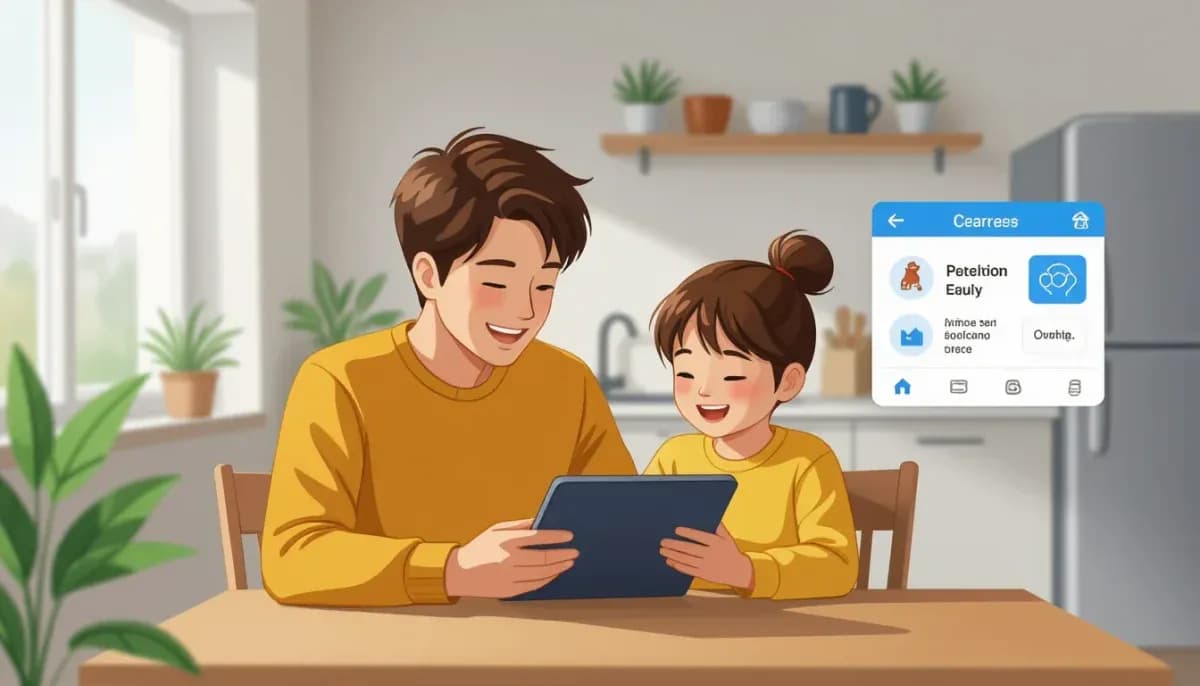
Complete guide to parental controls and monitoring tools for families in Japan. Covers Apple Screen Time, Google Family Link, LINE safety, Japanese regulations, and expert tips for foreign parents raising kids in Japan.
Read more →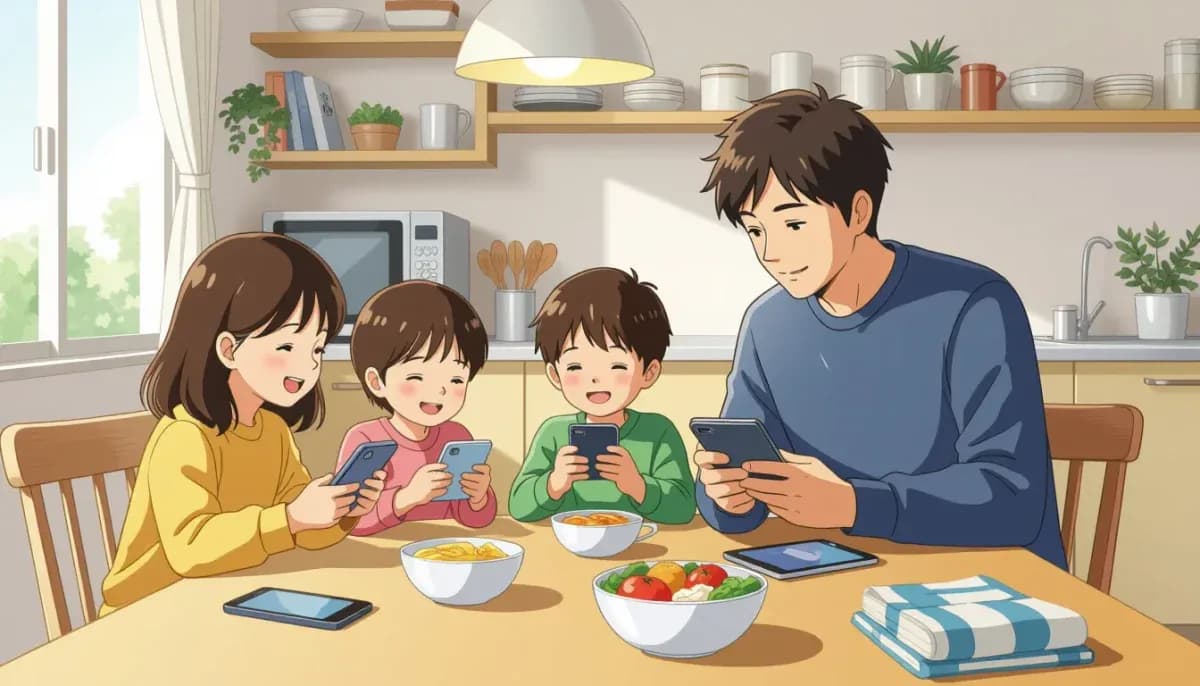
Learn how to protect your child from cyberbullying in Japan. Covers warning signs, laws, English-language resources, and practical online safety rules for foreign families.
Read more →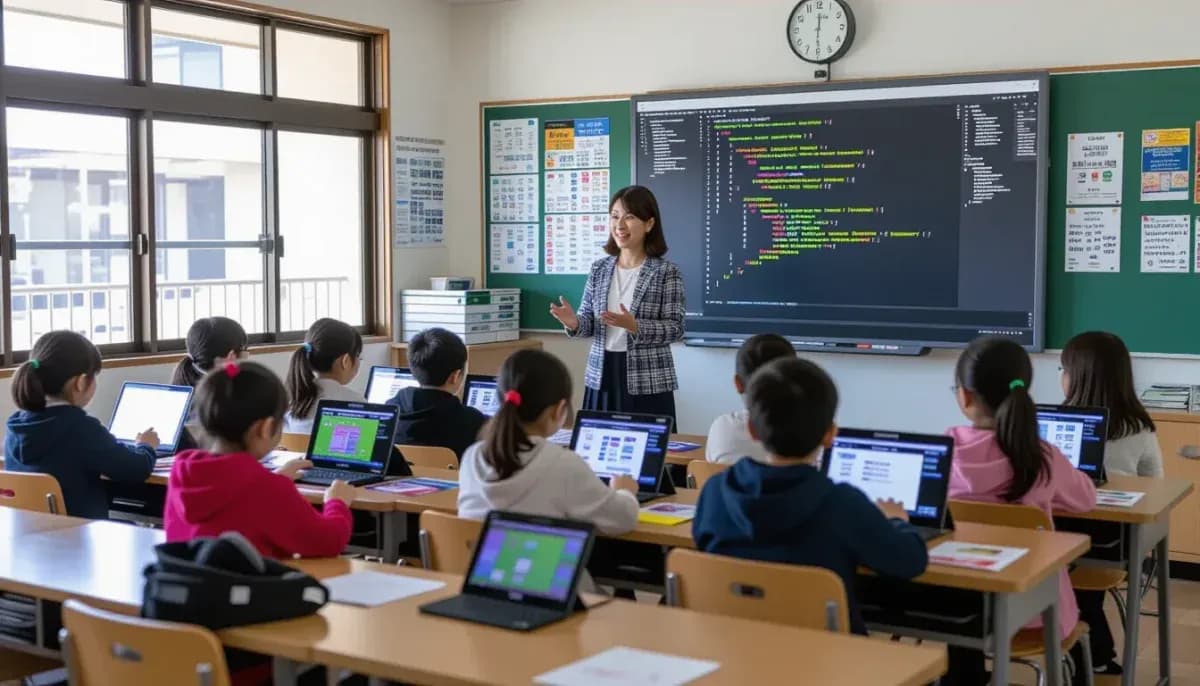
Complete guide to digital literacy education in Japanese schools for foreign families. Covers GIGA School initiative, mandatory programming, Information I entrance exam, and tips for expat children.
Read more →
Complete guide to smartphone rules and policies for children in Japan — school bans, regional ordinances, screen time data, and practical tips for foreign families navigating Japanese digital culture.
Read more →
Understand online gaming culture in Japan and its effects on children. Statistics on gaming addiction, in-game purchases, practical tips for foreign parents managing screen time in Japan.
Read more →
Discover the best educational technology and learning apps for kids in Japan. From Japanese language apps for expat children to curriculum-aligned platforms and AI tools — a complete guide for foreign families raising children in Japan.
Read more →
Everything foreign parents in Japan need to know about social media use among Japanese youth: top platforms, screen time stats, safety risks, parental controls, and practical strategies.
Read more →
Comprehensive guide to internet safety for children in Japan for expat parents. Learn about risks, Japanese laws, parental controls, carrier filtering, and how to talk to your kids about online safety.
Read more →
Discover the most popular video games, mobile apps, and educational tools for children in Japan. A practical guide for expat families covering everything from Minecraft to traditional karuta.
Read more →
Comprehensive guide to screen time guidelines for children in Japan — WHO recommendations, Toyoake City's 2025 ordinance, latest research data, and practical strategies for expat families raising kids in Japan.
Read more →